
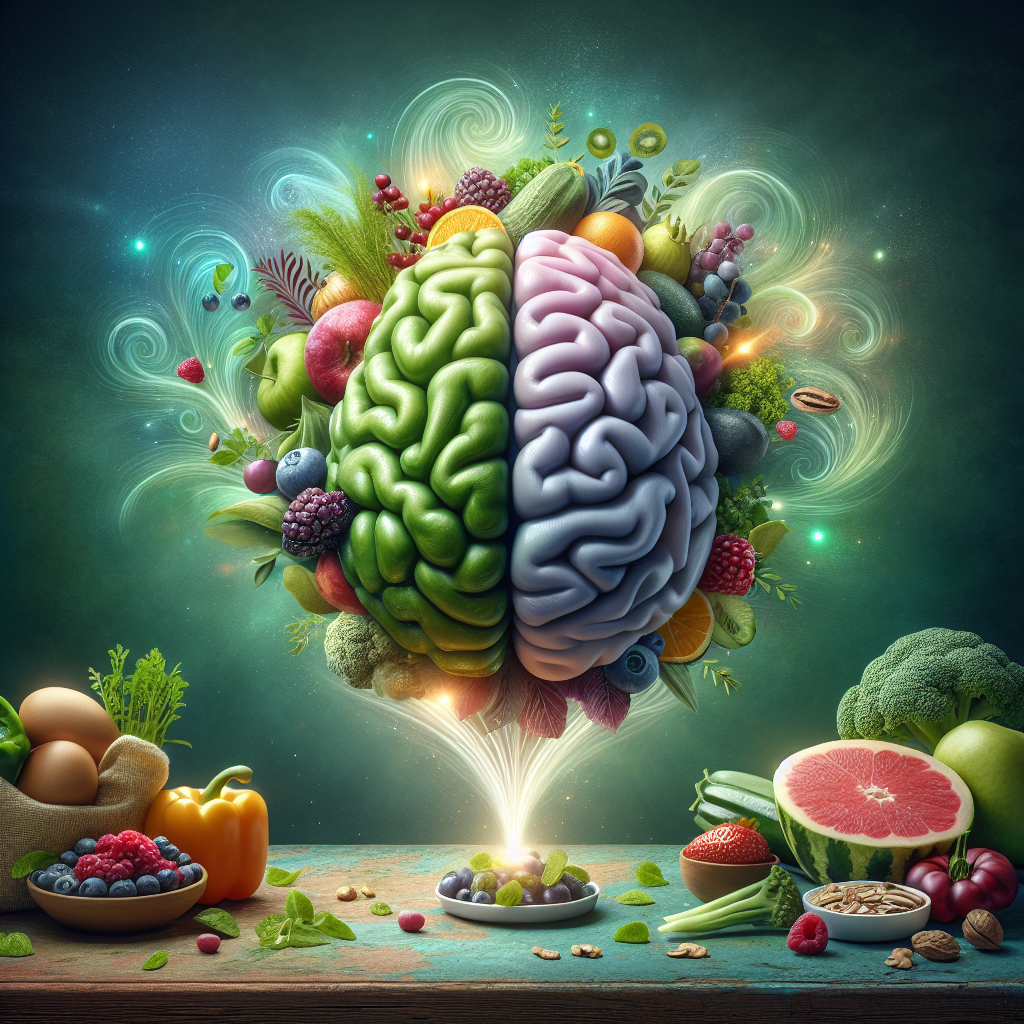
The Role of Nutrition in Cognitive Recovery Post-Injury 🧠🍏
When it comes to healing, particularly cognitive recovery following an injury, nutrition often plays a crucial yet underrated role. Imagine your brain as a high-performance engine. Just like any engine, the fuel you provide can affect its efficiency and speed. In this blog post, we’ll explore how the right nutrients can support your brain’s recovery process. Let’s dive in!
Table of Contents
1. Understanding Cognitive Recovery
2. Key Nutrients for Brain Health
3. Foods That Boost Cognitive Function
4. Tips for Incorporating Brain-Boosting Foods
5. Conclusion
6. FAQs
Understanding Cognitive Recovery 🧩
Cognitive recovery refers to the process of regaining mental functions after a brain injury, such as memory, attention, and problem-solving skills. While medical treatments and therapies are essential, nutrition is a powerful ally in this journey. The brain requires specific nutrients to repair and regenerate cells, enhance neurotransmitter function, and reduce inflammation.
Key Nutrients for Brain Health 🥦🥚
Omega-3 Fatty Acids
These are the building blocks of the brain’s cell membranes and are vital for repairing neuronal damage. Foods rich in omega-3s, like salmon and walnuts, can help reduce inflammation and support cognitive function.
Antioxidants
Antioxidants found in berries, dark chocolate, and green tea help combat oxidative stress, which can worsen brain injuries. They protect brain cells from damage and support healing.
B Vitamins
B vitamins, particularly B6, B12, and folate, play a role in producing neurotransmitters and maintaining brain health. Leafy greens, eggs, and fortified cereals are excellent sources.
Protein
Protein is essential for the repair of brain tissue. Incorporating lean meats, beans, and nuts into your diet can provide the necessary amino acids for recovery.
Foods That Boost Cognitive Function 🍓🥑
Incorporating a variety of brain-boosting foods into your diet can make a significant difference. Here are some top picks:
1. Fatty Fish – Rich in omega-3s, essential for brain repair.
2. Blueberries – Packed with antioxidants that aid brain health.
3. Turmeric – Contains curcumin, which has anti-inflammatory effects.
4. Broccoli – High in antioxidants and vitamin K.
5. Pumpkin Seeds – Provide magnesium, iron, zinc, and copper.
Tips for Incorporating Brain-Boosting Foods 🥗💡
Here are some simple ways to add these foods into your daily routine:
– Start your day with a smoothie packed with berries, spinach, and a scoop of protein powder.
– Snack on nuts and seeds for a handy, nutritious boost.
– Include a variety of colorful vegetables in your lunch and dinners.
– Experiment with herbs and spices like turmeric and ginger in your cooking.
Conclusion 🎯
Nutrition is a vital component in the journey toward cognitive recovery. By focusing on a balanced diet rich in omega-3s, antioxidants, B vitamins, and proteins, you can support your brain’s healing process. Remember, it’s not just about what you eat but also how consistently you incorporate these nutrients into your daily life.
FAQs 🤔
1. What are the best foods to eat after a brain injury?
Foods rich in omega-3 fatty acids, antioxidants, and proteins, such as fish, berries, and nuts, are excellent for brain health.
2. How does omega-3 benefit brain recovery?
Omega-3 fatty acids help repair and build brain cell membranes, reduce inflammation, and support cognitive functions.
3. Can nutrition speed up cognitive recovery?
While nutrition alone cannot entirely speed up recovery, it plays a supportive role in enhancing brain healing and function.
By making informed dietary choices, you’re not just nourishing your body but also nurturing your brain back to health. Here’s to a healthy recovery journey! 🥳