
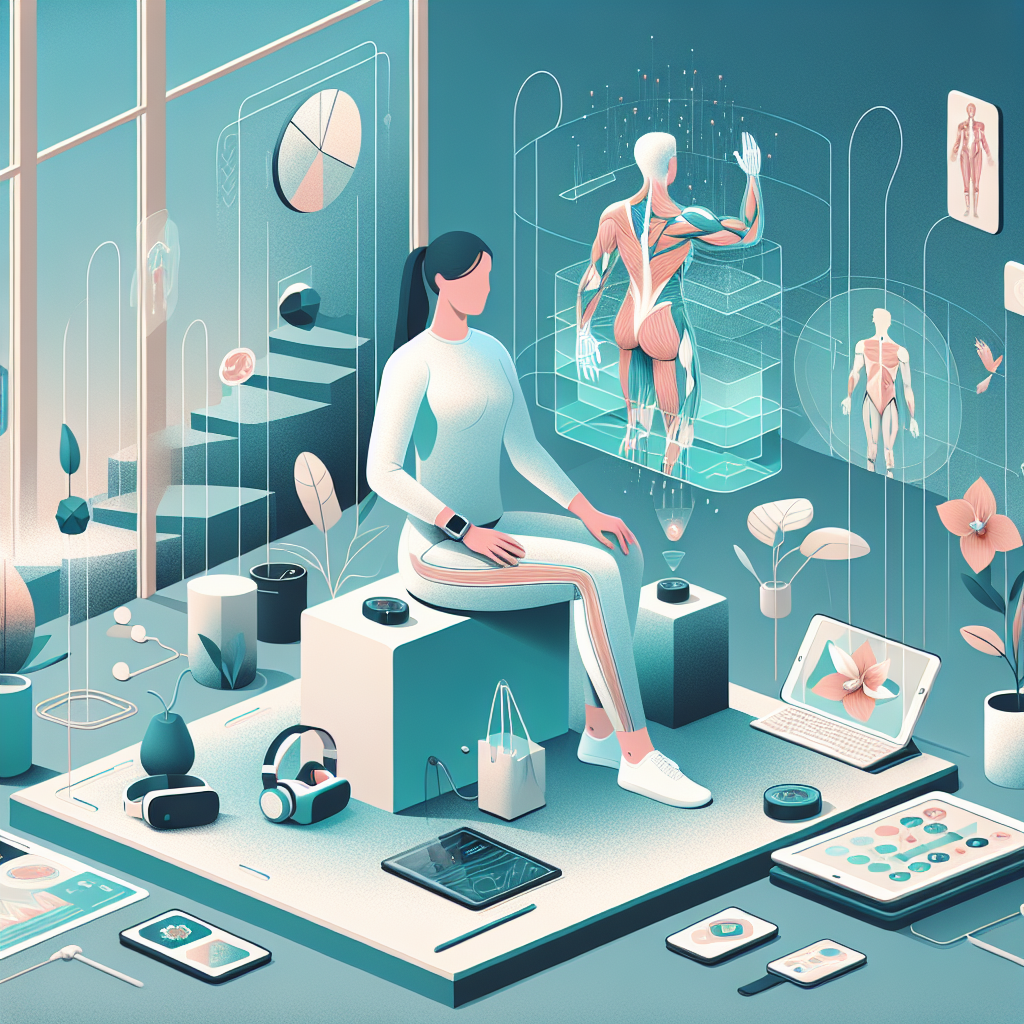
How to Use Technology to Enhance Your Rehabilitation Efforts
Rehabilitation can be a challenging journey, but thanks to the advancements in technology, the path to recovery has become more accessible and efficient. Whether you’re recovering from an injury, surgery, or managing a chronic condition, integrating technology into your rehabilitation efforts can provide significant benefits. Let’s explore how you can make the most of these digital tools to enhance your recovery process.
Table of Contents
1. Embrace Telehealth Services 📞
2. Leverage Fitness Apps for Customized Exercise Plans 📱
3. Utilize Wearable Technology for Real-Time Feedback ⌚
4. Explore Virtual Reality for Pain Management and Motivation 🎮
5. Conclusion
6. FAQs
Embrace Telehealth Services 📞
Telehealth has revolutionized the way we approach rehabilitation. With just a few clicks, you can connect with healthcare professionals from the comfort of your home. This is particularly beneficial for those with mobility limitations or those living in remote areas. Telehealth sessions can include everything from physical therapy consultations to progress assessments, making it easier to adhere to your rehabilitation plan without the need for constant in-person visits.
Leverage Fitness Apps for Customized Exercise Plans 📱
If you’re looking for personalized exercise routines, fitness apps can be your best friend. These apps often include a wide range of exercises tailored to various rehabilitation needs. You can track your progress, set goals, and even get reminders to stay on track. Many apps also offer video demonstrations, ensuring you perform each exercise correctly, minimizing the risk of further injury.

Utilize Wearable Technology for Real-Time Feedback ⌚
Wearable technology, such as fitness trackers and smartwatches, provides real-time data on your physical activities. This information can be invaluable in monitoring your heart rate, steps, and even sleep patterns, which are crucial for a holistic recovery. By keeping a close eye on these metrics, you can make informed adjustments to your rehabilitation plan, ensuring you’re progressing safely and effectively.
Explore Virtual Reality for Pain Management and Motivation 🎮
Virtual reality (VR) is not just for gaming enthusiasts—it’s also a powerful tool in rehabilitation. VR can create immersive environments that distract from pain and discomfort, offering a fun and engaging way to perform therapeutic exercises. Additionally, VR can simulate various activities to help improve mobility and strength, making it a versatile addition to your rehab toolkit.
Conclusion
Incorporating technology into your rehabilitation efforts is more than just a modern convenience—it’s a strategic approach to enhancing your recovery. By leveraging telehealth, fitness apps, wearable technology, and virtual reality, you can create a comprehensive and personalized rehabilitation plan that fits your needs. So, why not give these technological tools a try and take a proactive step towards a healthier, more active life?
FAQs
Q1: Can technology replace in-person rehabilitation sessions?
A1: While technology offers excellent support, it shouldn’t entirely replace in-person sessions, especially for complex cases. It’s best used as a complementary tool.
Q2: Are fitness apps suitable for all types of rehabilitation?
A2: Fitness apps can be beneficial for many rehabilitation types, but it’s crucial to choose one that aligns with your specific needs and consult with a healthcare professional.
Q3: How do I choose the right wearable technology for my rehabilitation?
A3: Consider your rehabilitation goals and look for wearables that provide the metrics you need, such as heart rate monitoring, activity tracking, or sleep analysis.
Q4: Is virtual reality safe for people with mobility issues?
A4: Yes, VR can be customized to suit different mobility levels, but it’s essential to consult with a healthcare provider to ensure safety and suitability.