

10 Techniques for Managing Emotional Ups and Downs During Recovery
Recovery is a journey filled with emotional ups and downs that can feel overwhelming. Whether you’re recovering from addiction, illness, or a personal setback, managing your emotions is crucial for progress. Let’s explore ten techniques to help you navigate this emotional rollercoaster and emerge stronger. 🎢
Table of Contents
1. Understand Your Emotions
2. Practice Mindfulness 🧘
3. Develop a Support Network 🤝
4. Set Realistic Goals 🎯
5. Keep a Journal 📓
6. Embrace Physical Activity 🚴♀️
7. Engage in Creative Outlets 🎨
8. Implement Self-Care Routines 🛁
9. Seek Professional Help When Needed 🩺
10. Celebrate Small Wins 🎉
Understand Your Emotions
First things first, it’s essential to understand and accept your emotions. Recovery is a complex process, and feeling a range of emotions is normal. Take some time to sit with your feelings without judgment. Recognizing them is the first step to managing them effectively.
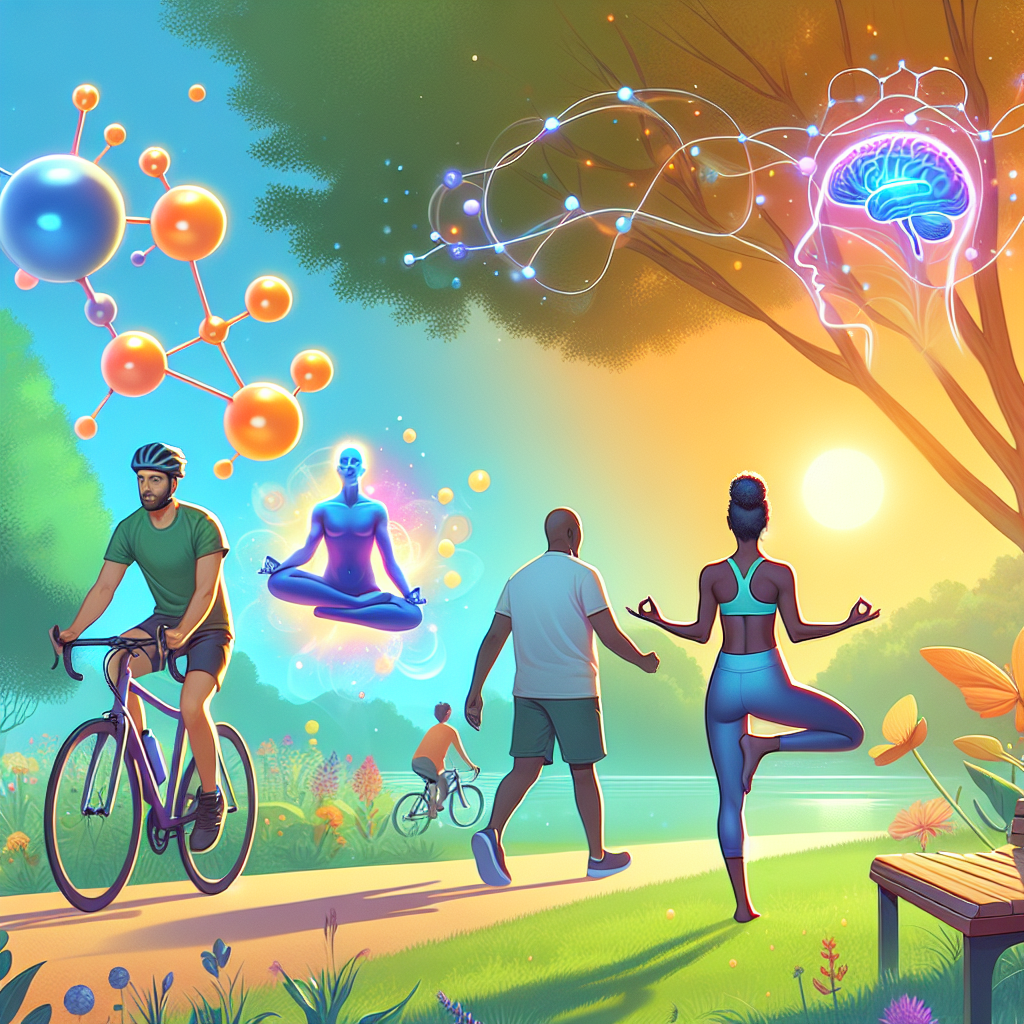
Practice Mindfulness 🧘
Mindfulness is a powerful tool for keeping your emotions in check. By staying present, you can reduce anxiety about the future and regrets about the past. Try meditation, deep breathing exercises, or simply focus on your surroundings to cultivate mindfulness.
Develop a Support Network 🤝
You’re not alone on this journey. Reach out to friends, family, or support groups who can offer encouragement and understanding. Sharing your experiences with others can provide comfort and valuable insights.
Set Realistic Goals 🎯
Setting achievable goals can provide direction and motivation. Break down your recovery into small, manageable steps and celebrate each milestone. This approach can help reduce feelings of overwhelm and boost your confidence.
Keep a Journal 📓
Writing down your thoughts and feelings can be incredibly therapeutic. Journaling allows you to process emotions, track progress, and identify patterns in your emotional responses. Plus, it’s a private space where you can be completely honest with yourself.

Embrace Physical Activity 🚴♀️
Physical activity is not just good for the body but also great for the mind. Exercise releases endorphins, which are natural mood lifters. Whether it’s a walk in the park or a yoga session, find an activity you enjoy and make it a regular part of your routine.
Engage in Creative Outlets 🎨
Creative activities can be a wonderful way to express emotions and relieve stress. Whether it’s painting, writing, or playing music, let your creativity flow. This can provide an emotional release and bring joy during challenging times.
Implement Self-Care Routines 🛁
Never underestimate the power of self-care. Simple acts like taking a warm bath, reading a favorite book, or enjoying a cup of tea can greatly improve your emotional well-being. Prioritize activities that rejuvenate your mind and body.
Seek Professional Help When Needed 🩺
Sometimes, professional guidance is necessary to navigate recovery. Therapists and counselors can offer strategies tailored to your needs. Don’t hesitate to reach out for help when you need it.
Celebrate Small Wins 🎉
Finally, remember to celebrate the small victories along the way. Each step forward, no matter how small, is progress. Acknowledging these achievements can boost your morale and keep you motivated on your journey.
Conclusion
Recovery is not a straightforward path, and emotional ups and downs are part of the process. By employing these techniques, you can better manage your emotions and support your journey toward healing. Remember, every step forward is a step toward a brighter future. 🌟
FAQs
Q1: How can mindfulness help during recovery?
A1: Mindfulness helps by keeping you grounded in the present moment, reducing stress and anxiety related to past or future concerns.
Q2: What are some simple self-care practices I can start with?
A2: Start with activities like taking a relaxing bath, reading, meditating, or enjoying a quiet cup of tea.
Q3: How do I know if I need professional help?
A3: If you find it challenging to manage your emotions despite trying various techniques, or if you feel overwhelmed, it may be time to seek professional guidance.
Q4: Can physical activity really improve my mood?
A4: Absolutely! Physical activity releases endorphins, which are chemicals in the brain that act as natural mood enhancers.
Q5: Why is it important to celebrate small wins?
A5: Celebrating small wins helps maintain motivation and reinforces the progress you’re making, boosting your confidence along the recovery journey.