
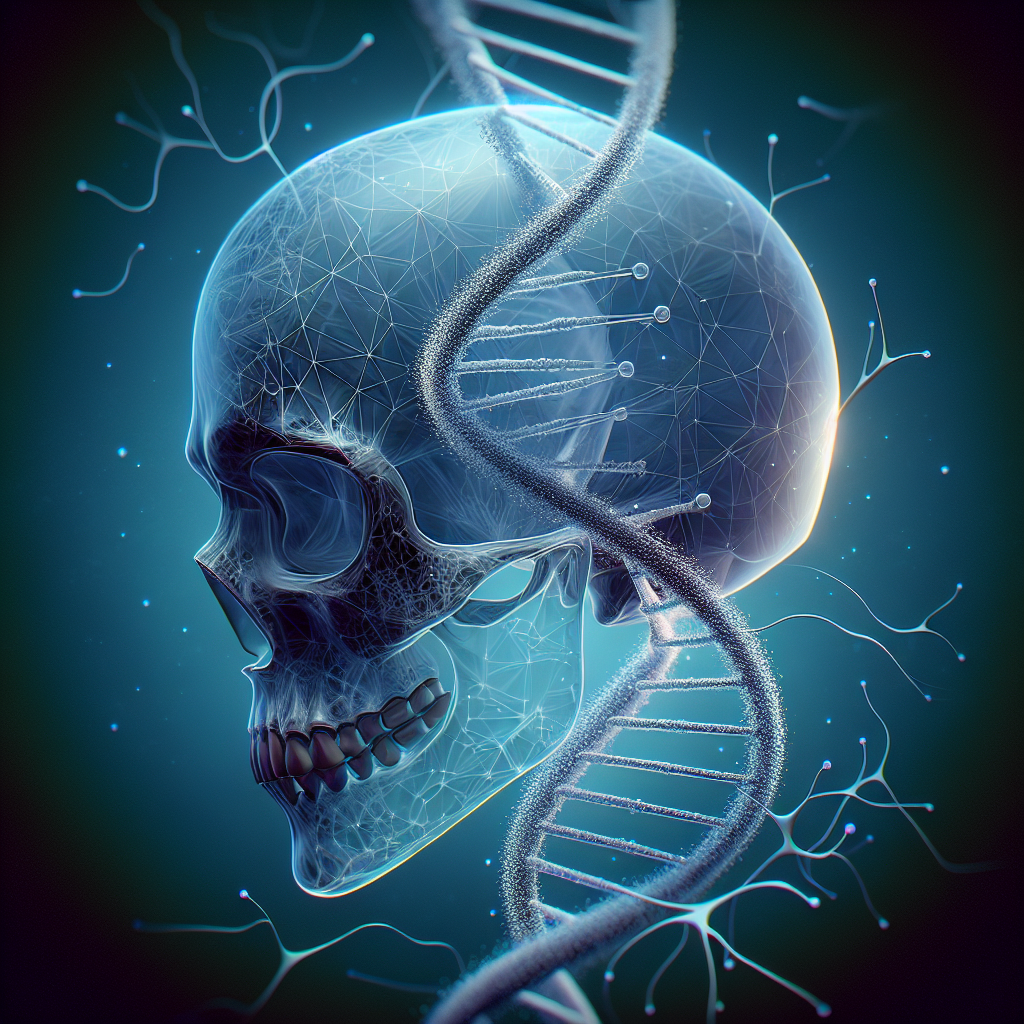
Understanding the Role of Genetics in Fractured Skull Recovery
When it comes to healing from a fractured skull, the process can be as complex as the injury itself. While medical intervention plays a crucial role, your genetic makeup might also influence how well and how quickly you recover. In this blog post, we’ll explore the fascinating intersection of genetics and recovery, offering insights that might just surprise you! 🤔
Table of Contents
1. Introduction to Skull Fractures
2. The Basics of Genetic Influence
3. How Genetics Affects Recovery Time
4. Personalized Medicine: The Future of Recovery
5. Conclusion
6. FAQs
Introduction to Skull Fractures
Skull fractures are serious injuries that occur when a significant force impacts the head. Depending on the severity, these fractures can be life-threatening and may require immediate medical attention. But beyond medical treatment, many individuals wonder why some people recover more quickly than others. Could genetics hold part of the answer? Let’s dive in. 🏊♂️
The Basics of Genetic Influence
Our bodies are like intricate blueprints, each unique in its own way. Genetics play a significant role in determining various aspects of our health, including how we respond to injuries. Genes can influence factors such as bone density, blood clotting efficiency, and even the body’s inflammatory response—all of which are crucial during the recovery process for a fractured skull. 🧬
How Genetics Affects Recovery Time
1. **Bone Density and Healing**: Some people naturally have denser bones, which can influence the healing process. Genes responsible for bone strength can determine how quickly the skull heals after a fracture.
2. **Inflammatory Response**: The body’s inflammatory response is essential for healing, but excessive inflammation can slow down recovery. Genetic variations can dictate how your body manages inflammation, potentially speeding up or delaying the healing process.
3. **Blood Clotting**: Efficient blood clotting is vital for healing wounds and fractures. Genetic factors can influence clotting ability, affecting how well your body can repair itself after a skull fracture.
Personalized Medicine: The Future of Recovery
With advancements in genetic research, personalized medicine is becoming a reality. Imagine a world where treatments are tailored to your genetic profile, optimizing recovery time and effectiveness. By understanding one’s genetic predispositions, healthcare providers can offer more precise interventions, potentially improving outcomes for those with skull fractures. 🌟
Conclusion
Genetics plays a more significant role in our recovery from injuries than we might have imagined. While medical treatment remains crucial, understanding your genetic makeup can offer additional insights into your recovery journey. As research continues to unfold, the promise of personalized medicine becomes ever more exciting, paving the way toward more effective and individualized healthcare solutions. 🏥
FAQs
Q1: Can genetic testing predict my recovery time from a skull fracture?
A: While genetic testing can provide insights into factors like bone density and inflammatory response, it cannot precisely predict recovery time. It can, however, help tailor treatments to potentially improve recovery outcomes.
Q2: Are there specific genes linked to better recovery from skull fractures?
A: Research is ongoing, but certain genes related to bone health and inflammation may play a role in recovery. Scientists continue to investigate these links to provide more tailored healthcare solutions.
Q3: How can I find out if my genetics affect my recovery from injuries?
A: Speaking with a healthcare provider or genetic counselor can provide personalized insights. They can guide you on whether genetic testing might be beneficial for understanding your recovery process.
Q4: Does everyone benefit equally from genetic insights into recovery?
A: Individual benefits can vary based on one’s genetic profile and the specific nature of their injury. Personalized medicine aims to maximize benefits by tailoring approaches to individual needs.
Q5: What role does lifestyle play in recovery alongside genetics?
A: Lifestyle factors such as diet, exercise, and mental health significantly impact recovery. Genetics provides a piece of the puzzle, but a holistic approach is always recommended for optimal healing.