
The Benefits of Community Gardens in Recovering from a Severe Injury 🌿
Recovering from a severe injury can be a daunting journey, but finding the right activities to aid in healing can make all the difference. One such activity is getting involved in a community garden. More than just a patch of green, these gardens offer therapeutic benefits that can support physical, emotional, and social recovery. Let’s dig deeper into how community gardens can be a lifeline on your path to recovery.
Table of Contents
1. Physical Rehabilitation
2. Emotional Well-being
3. Social Connection
4. Conclusion
5. FAQs
Physical Rehabilitation 🌻
Engaging in gardening activities can be a gentle way to reintroduce movement into your routine. Planting, weeding, and watering not only help in improving strength and coordination but also provide a low-impact workout that can be tailored to your physical limits. 🌱
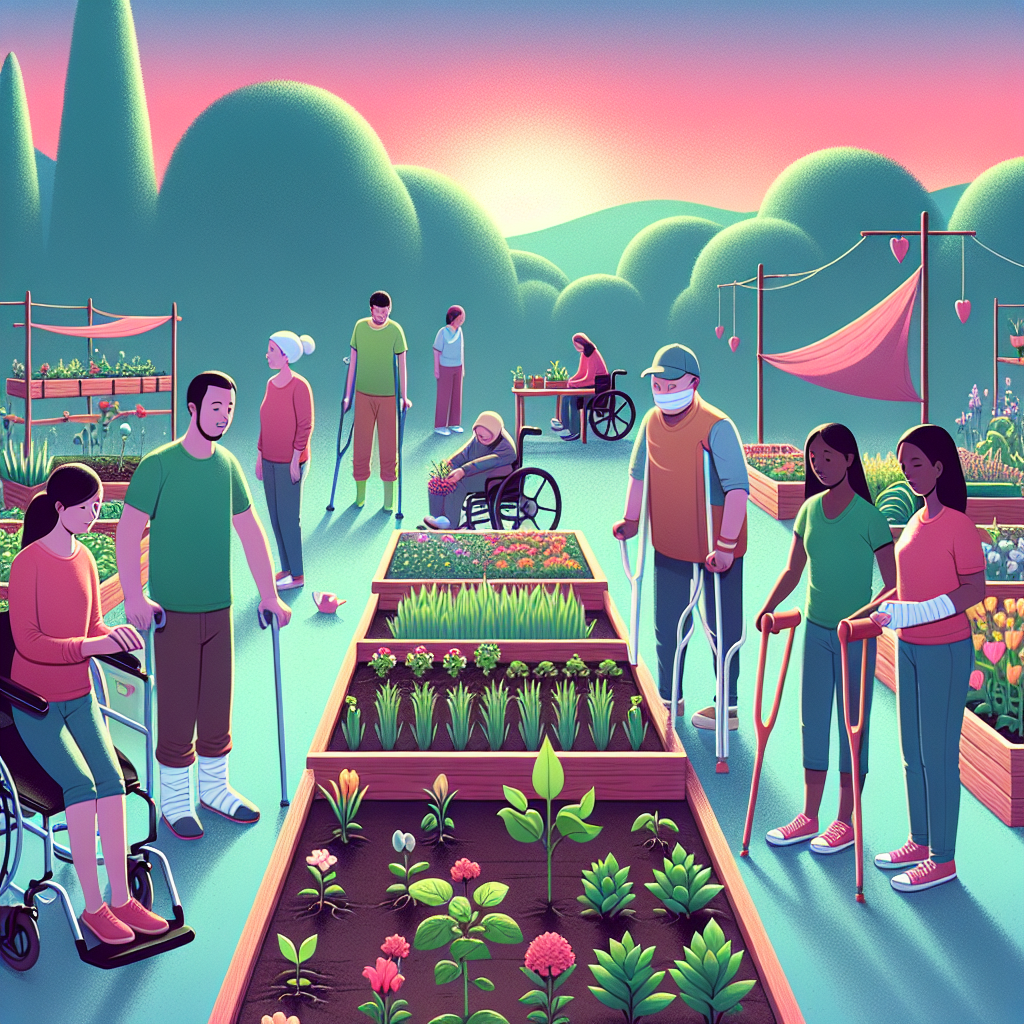
For instance, tending to raised beds can minimize the need for bending, making it accessible for those with mobility issues. Over time, these activities can aid in improving flexibility and endurance, setting a solid foundation for further physical rehabilitation.
Emotional Well-being 🌞
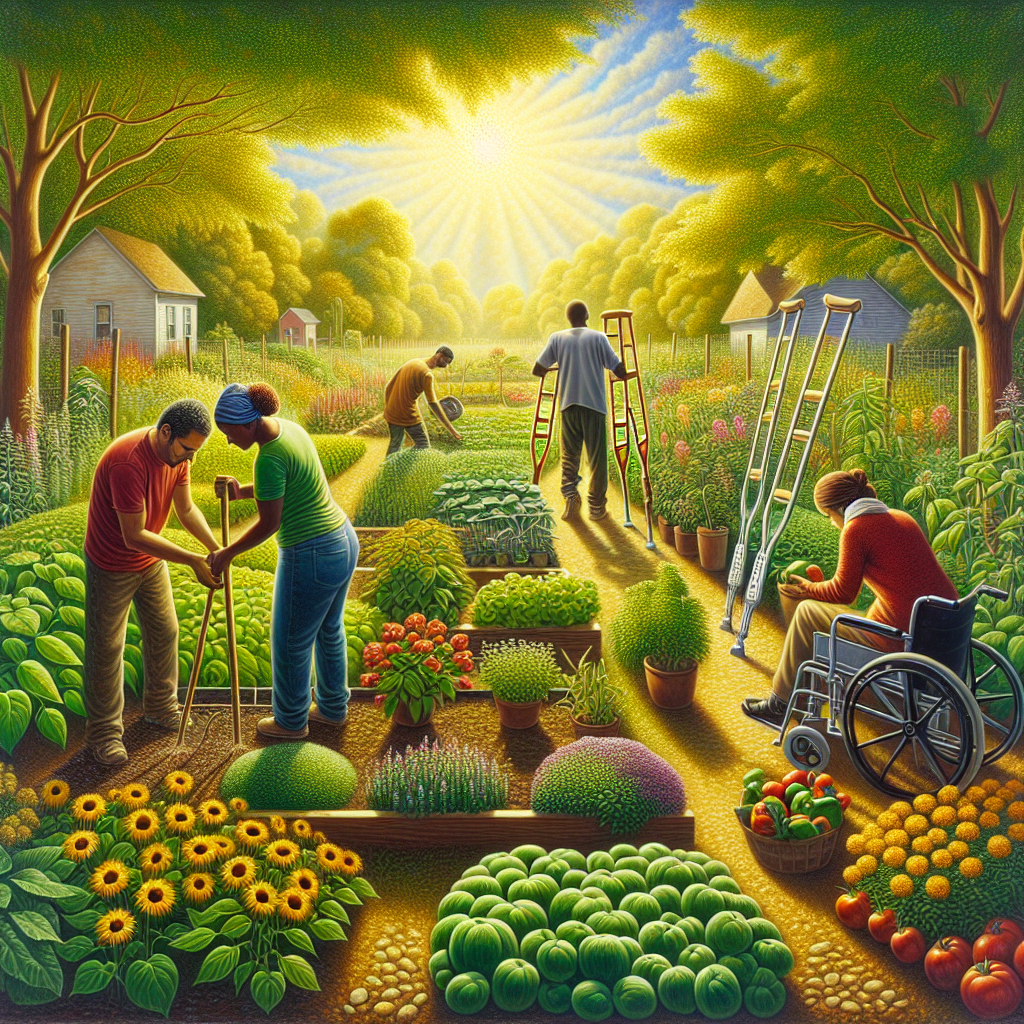
Spending time in nature is a well-documented way to boost mental health, and community gardens are no exception. The act of nurturing plants and seeing them grow can provide a sense of accomplishment and purpose, which is vital during recovery. 🌼
Moreover, the serene environment of a garden can reduce stress and anxiety, offering a peaceful escape from the challenges of recovery. The simple act of digging in the soil can be meditative, helping to clear your mind and foster a positive mental state.
Social Connection 🤝
Community gardens are not just about plants; they are about people. Engaging with others in the garden can alleviate feelings of isolation that often accompany severe injuries. 🤗
Sharing tips, exchanging seeds, or simply chatting with fellow gardeners can build a sense of community and belonging. These social interactions can be incredibly uplifting, offering support and empathy from others who understand the journey of recovery.
Conclusion 🌺
Community gardens offer a multifaceted approach to recovery from severe injuries, providing physical activity, emotional healing, and social support. Whether you’re planting your first seed or harvesting your first crop, the benefits are as bountiful as the produce you will grow. So why not dig in and let nature be your partner in healing?
FAQs ❓
Q1: Can I participate in a community garden if I have limited mobility?
A1: Absolutely! Many community gardens have accessible options like raised beds and adapted tools to accommodate individuals with limited mobility.
Q2: How do I find a community garden near me?
A2: You can search online for local gardening groups or check with city parks and recreation departments. Social media platforms and community boards are also great resources.
Q3: What if I have no gardening experience?
A3: No experience needed! Community gardens are about learning and sharing. You’ll find plenty of enthusiasts ready to help you get started.
Q4: Are there specific plants that are better for beginners in a community garden?
A4: Yes, starting with easy-to-grow plants like tomatoes, basil, and lettuce can be a great way to build confidence and success in gardening.
Embrace the healing power of community gardens, and watch as both you and your plants thrive! 🌿