

10 Online Courses to Boost Cognitive Skills After a Head Injury
Recovering from a head injury can be a daunting journey, not just physically but mentally as well. One of the key challenges many face is regaining cognitive skills. Fortunately, in today’s digital world, there are numerous online courses designed to help enhance cognitive function. Whether you’re looking to improve memory, focus, or problem-solving skills, there’s likely a course tailored to your needs. Let’s dive into some options that could aid your recovery process! 🌟
Table of Contents
1. Introduction to Cognitive Rehabilitation
2. Memory Enhancement Courses
3. Focus and Attention Training
4. Problem-Solving and Critical Thinking
5. Language and Communication Skills
6. Brain Games and Activities
7. Mindfulness and Meditation
8. Neuroplasticity and Brain Health
9. Stress Management and Relaxation Techniques
10. Personalized Learning Plans
11. FAQs
1. Introduction to Cognitive Rehabilitation
Cognitive rehabilitation is a field dedicated to helping individuals recover lost cognitive function. Courses like these often provide structured programs that guide you through exercises and strategies tailored to your specific areas of need. They typically start with an assessment to pinpoint strengths and weaknesses, allowing for a personalized recovery plan. 🧠

2. Memory Enhancement Courses
Memory can often be affected after a head injury. Online courses focusing on memory enhancement teach techniques such as visualization, association, and repetition. Platforms like Coursera and edX offer courses that are both engaging and scientifically backed, helping you to reclaim your recall abilities. 📚
3. Focus and Attention Training
Maintaining focus can be a struggle post-injury. Courses designed to improve attention span might involve mindfulness exercises, brain games, and structured attention tasks. These courses often utilize interactive content to make learning fun and effective. 🎯
4. Problem-Solving and Critical Thinking
Boosting problem-solving skills involves enhancing logical reasoning and decision-making abilities. Websites like Udemy offer courses that provide real-world scenarios to practice critical thinking, helping rebuild these essential skills in everyday contexts. 🤔
5. Language and Communication Skills
For those whose language abilities have been impacted, language-focused courses can be invaluable. They often cover everything from vocabulary building to conversational practice, ensuring a holistic approach to communication recovery. 🗣️
6. Brain Games and Activities
Who said learning can’t be fun? Brain games are a fantastic way to challenge your mind while enjoying yourself. Websites like Lumosity and BrainHQ offer games specifically designed to target different cognitive skills. 🕹️
7. Mindfulness and Meditation
Mindfulness and meditation can significantly aid cognitive recovery by reducing stress and improving focus. Courses on platforms like Headspace guide you through meditation techniques that promote relaxation and mental clarity. 🧘♂️
8. Neuroplasticity and Brain Health
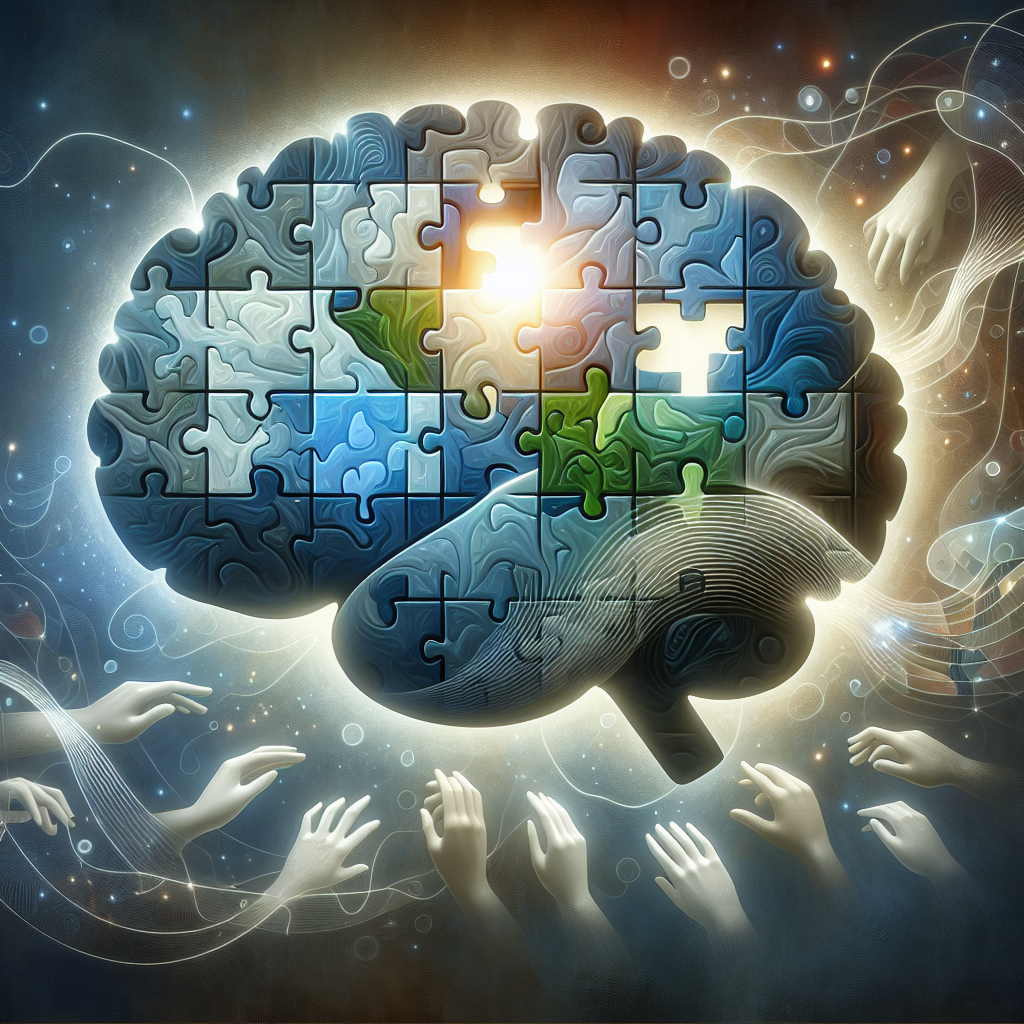
Understanding neuroplasticity can empower you in your recovery journey. Courses that explore how the brain can change and adapt provide insights and exercises to promote brain health and recovery. 🧩
9. Stress Management and Relaxation Techniques
Stress can impede cognitive recovery, making stress management techniques critical. Online courses teach relaxation methods such as deep breathing and progressive muscle relaxation to help keep stress at bay. 😌
10. Personalized Learning Plans
For a truly tailored approach, consider courses that offer personalized learning plans. These often involve one-on-one coaching, adaptive learning technologies, and regular progress assessments to ensure your unique needs are being met. 📈
Conclusion
Recovering cognitive skills after a head injury is a journey, but with the right tools and resources, it’s a journey you don’t have to take alone. Online courses provide flexible, accessible, and effective options for anyone looking to boost their cognitive abilities from the comfort of their home. Whether you’re just starting or looking to supplement existing therapies, these courses can be a valuable part of your recovery toolkit. 💪
FAQs
Q: Are these courses suitable for all types of head injuries?
A: While many courses are designed to be broadly applicable, it’s essential to consult with a healthcare professional to ensure they’re appropriate for your specific condition.
Q: How long do these courses typically take to complete?
A: The duration varies widely, from a few weeks to several months, depending on the course’s depth and your personal pace.
Q: Do I need any special equipment to take these courses?
A: Most online courses require just a computer or tablet with internet access, though some might suggest additional materials or apps for certain exercises.
Q: Can I take more than one course at a time?
A: Absolutely! However, it’s important to balance your workload to avoid overwhelming yourself during recovery.
Q: Are there free course options available?
A: Yes, many platforms offer free courses or trials, though premium content may require a subscription or one-time payment.