
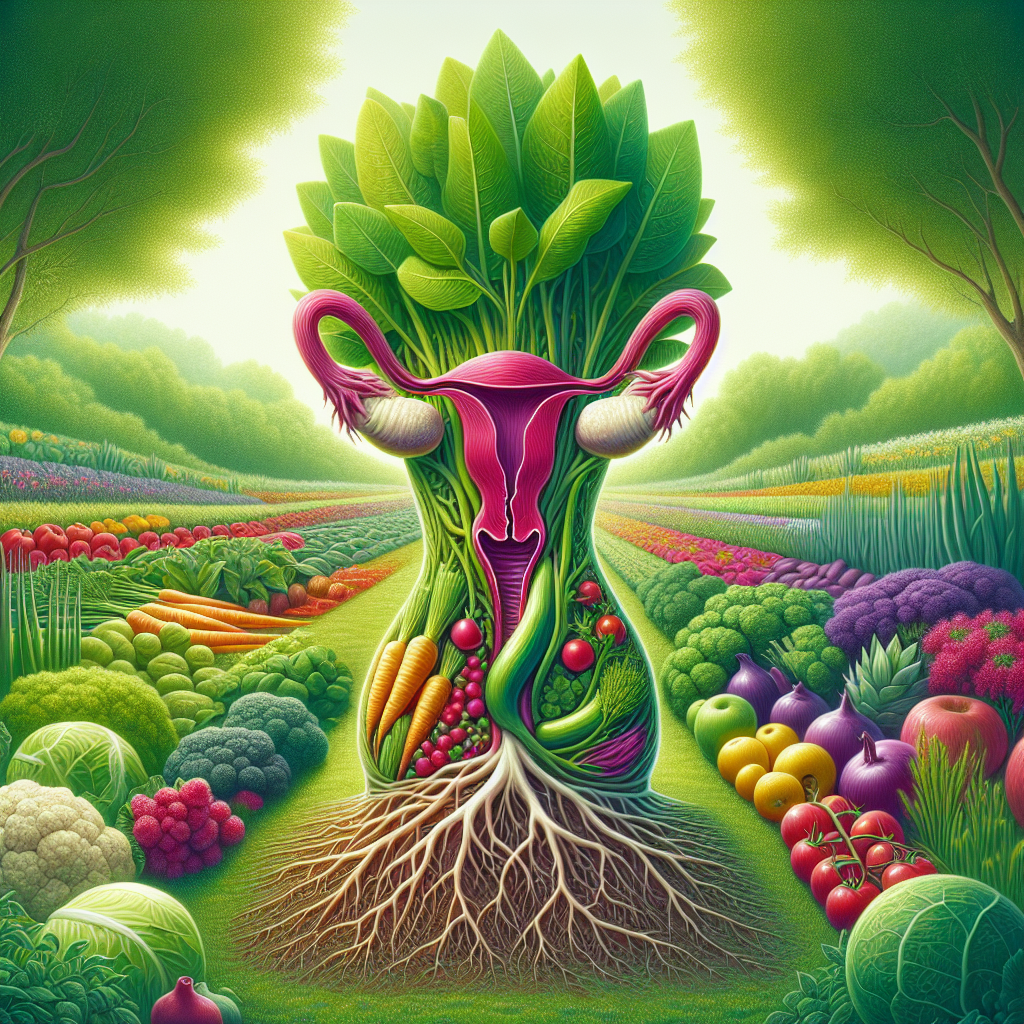
The Role of Plant-Based Diets in Healing from a Smashed Pelvis 🌱🦴
Injuries are never easy, and a smashed pelvis can be particularly challenging to recover from. However, the good news is that incorporating a plant-based diet into your recovery plan can offer numerous benefits. In this blog post, we will explore how a plant-based diet can aid in healing from a smashed pelvis. Whether you’re recovering yourself or supporting someone who is, understanding the power of nutrition is key.
Table of Contents
1. Understanding the Injury: A Smashed Pelvis
2. The Importance of Nutrition in Healing
3. Benefits of a Plant-Based Diet for Bone Healing
4. Top Plant-Based Foods for Recovery
5. Conclusion
6. FAQs
Understanding the Injury: A Smashed Pelvis
A smashed pelvis is a serious injury that can result from accidents or falls. It involves multiple fractures in the pelvic bones, often requiring surgery and extended rehabilitation. Healing requires a comprehensive approach, combining medical care, physical therapy, and proper nutrition.
The Importance of Nutrition in Healing 🍏
Nutrition plays a vital role in recovery from any injury, and a smashed pelvis is no exception. The body requires increased nutrients to repair damaged tissues and bones. Proper nutrition can help reduce inflammation, speed up recovery, and enhance overall well-being.
Benefits of a Plant-Based Diet for Bone Healing 🌿
A plant-based diet, rich in fruits, vegetables, nuts, seeds, and legumes, offers several advantages for those healing from a smashed pelvis:
1. Anti-Inflammatory Properties: Many plant-based foods are rich in antioxidants and anti-inflammatory compounds, which can help reduce swelling and pain around the injured area.
2. Calcium and Vitamin D: Leafy greens and fortified plant milks provide essential calcium and vitamin D, crucial for bone health and healing.
3. Protein Power: While often overlooked, plant-based proteins from beans, lentils, and tofu support muscle repair and strength rebuilding.
Top Plant-Based Foods for Recovery 🥦🥕
Incorporating the following foods can be particularly beneficial:
1. Leafy Greens: Spinach, kale, and collard greens are packed with calcium and vitamin K, both essential for bone strength.
2. Nuts and Seeds: Almonds, chia seeds, and flaxseeds provide healthy fats and magnesium, promoting overall bone health.
3. Berries: Blueberries and strawberries are high in antioxidants, supporting the body’s healing processes.
4. Legumes: Chickpeas and lentils offer a great source of protein and minerals like zinc, aiding in tissue repair and immune function.
Conclusion
Recovering from a smashed pelvis is no small feat, but embracing a plant-based diet can significantly enhance the healing process. By focusing on nutrient-rich foods, you can support your body’s natural repair mechanisms, reduce inflammation, and promote stronger bones. Remember, while diet is a powerful tool, it should be part of a comprehensive recovery plan including medical and physical therapy guidance.
FAQs ❓
Q1: Can a plant-based diet provide enough protein for recovery?
A1: Absolutely! Plant-based diets can offer adequate protein through sources like beans, lentils, tofu, and nuts.
Q2: How soon should I start a plant-based diet after injury?
A2: It’s beneficial to start as soon as possible to maximize nutrient intake and support the healing process.
Q3: Are supplements necessary on a plant-based diet?
A3: While not always necessary, some individuals may benefit from supplements like B12, vitamin D, or omega-3 if they are not getting enough from their diet.
Q4: Can a plant-based diet help with pain management?
A4: Yes, the anti-inflammatory properties of many plant-based foods can assist in reducing pain and swelling.