
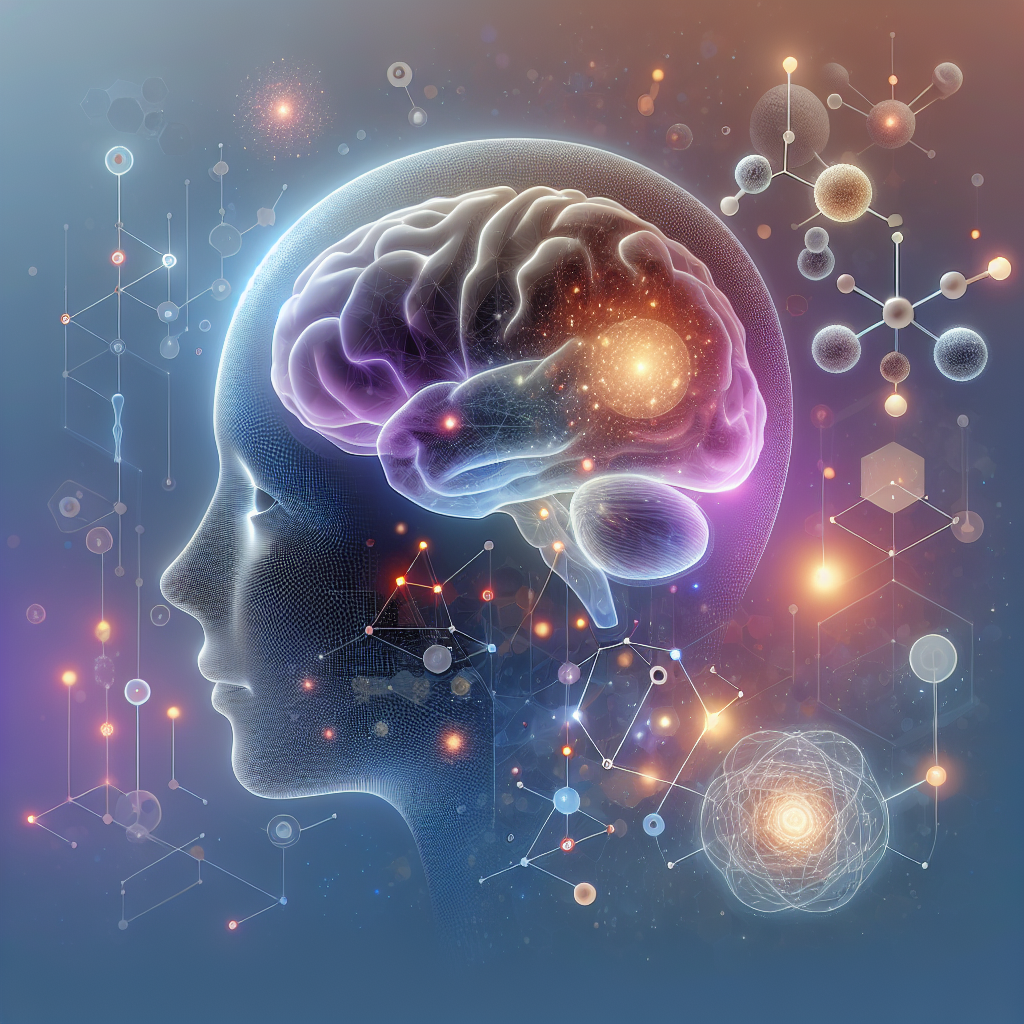
Understanding the Connection Between Hormones and Head Injury Recovery
When it comes to recovering from a head injury, the journey can be complex and multifaceted. While physical therapy and rest are often highlighted, there’s an unsung hero in this recovery narrative: hormones. Yes, those tiny chemical messengers play a crucial role in the healing process. Let’s dive deeper into how hormones impact head injury recovery and uncover some actionable insights. 😊
Table of Contents
1. Hormones 101: The Basics
2. How Hormones Affect Head Injury Recovery
3. Balancing Hormones for Better Recovery
4. Conclusion
5. FAQs
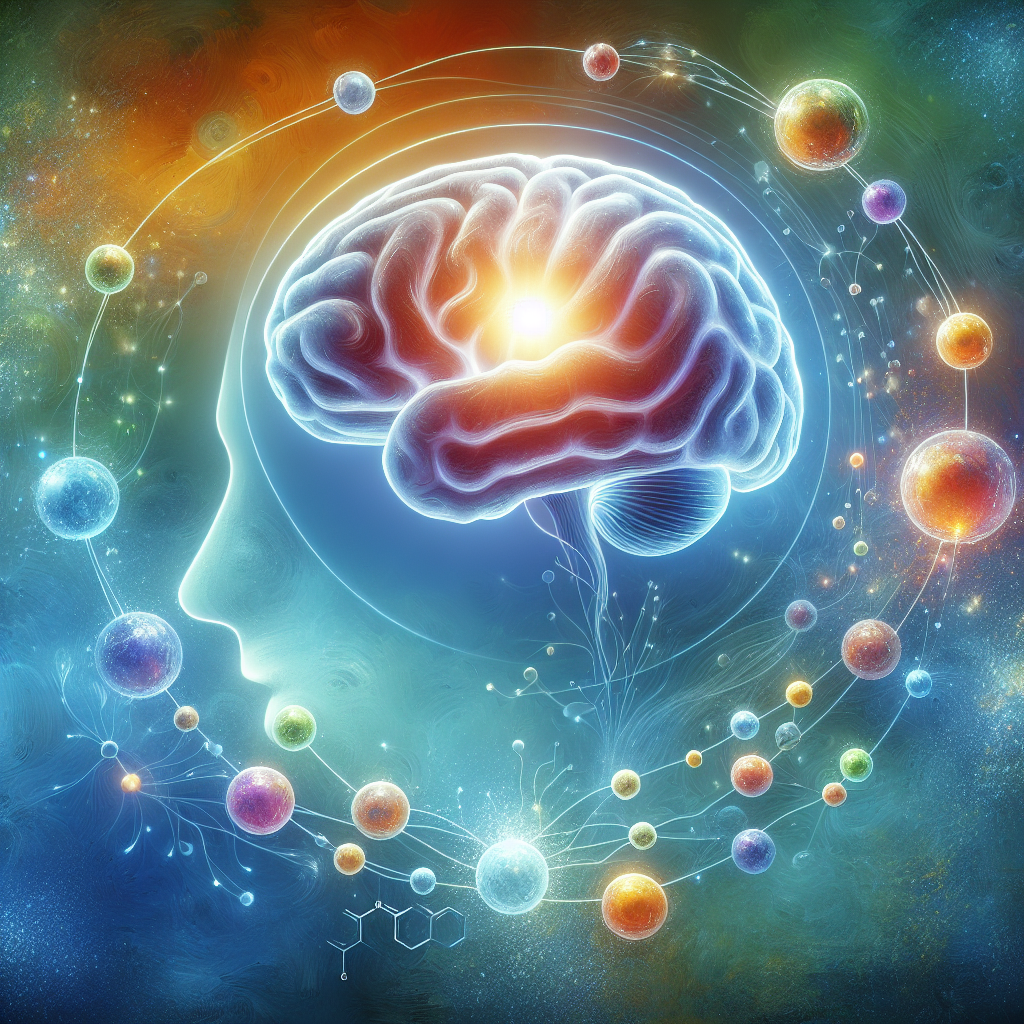
Hormones 101: The Basics
Before we delve into their role in recovery, let’s get to know hormones a bit better. Hormones are biochemical substances produced by glands in the endocrine system. They regulate everything from your mood and metabolism to your growth and reproductive functions. Imagine them as tiny postal workers delivering essential messages throughout your body. 🚀
How Hormones Affect Head Injury Recovery
When a head injury occurs, the brain’s delicate balance is disrupted. This disruption can affect hormone production and regulation, which in turn influences recovery. Here’s how:
1. Stress Response: Following a head injury, the body often experiences heightened stress, leading to increased cortisol levels. Elevated cortisol can impede healing by affecting sleep patterns and immune function.
2. Growth Hormone: Often referred to as the ‘healing hormone,’ growth hormone plays a pivotal role in tissue repair and regeneration. An imbalance can slow down the recovery process.
3. Thyroid Hormones: These are crucial for energy metabolism and cognitive function. Imbalances can lead to fatigue and cognitive issues, common symptoms after a head injury.
Balancing Hormones for Better Recovery
Now that we understand the role of hormones, how can we support their balance to aid recovery?
🧘 Stress Management: Incorporate stress-reducing practices such as meditation, deep breathing exercises, or yoga to help regulate cortisol levels.
🍎 Nutrition: A balanced diet rich in omega-3 fatty acids, lean proteins, and antioxidants can support hormone production and brain health.
💤 Quality Sleep: Prioritize good sleep hygiene. This means a consistent sleep schedule, a comfortable sleep environment, and avoiding screens before bed.
🚶 Physical Activity: Regular, moderate exercise can boost mood and regulate hormone levels, promoting recovery.
Conclusion
Understanding the connection between hormones and head injury recovery opens up new avenues for effective healing strategies. By focusing on hormone balance, individuals can improve their recovery outcomes and enhance their overall well-being. Remember, while recovery is a personal journey, seeking professional medical advice is always recommended to tailor the best approach for you. 🌟
FAQs
1. Can hormonal imbalances cause long-term effects after a head injury?
Yes, if left unaddressed, hormonal imbalances can lead to prolonged symptoms and affect overall recovery. It’s important to monitor and manage these imbalances with medical guidance.
2. How long does it take for hormones to balance after a head injury?
The timeframe can vary depending on the severity of the injury and the individual’s health. For some, it might take weeks, while for others, it could be months.
3. Are there specific foods that support hormone balance after a head injury?
Yes, foods rich in omega-3 fatty acids, such as salmon and walnuts, as well as leafy greens and berries, can support hormone balance and brain health.
4. Should I get my hormone levels tested after a head injury?
It’s advisable to consult with a healthcare professional who can determine if hormone testing is necessary based on your symptoms and recovery progress.
By understanding and addressing the role of hormones, you can take proactive steps towards a more effective recovery journey. Here’s to healing and health! 🌈