
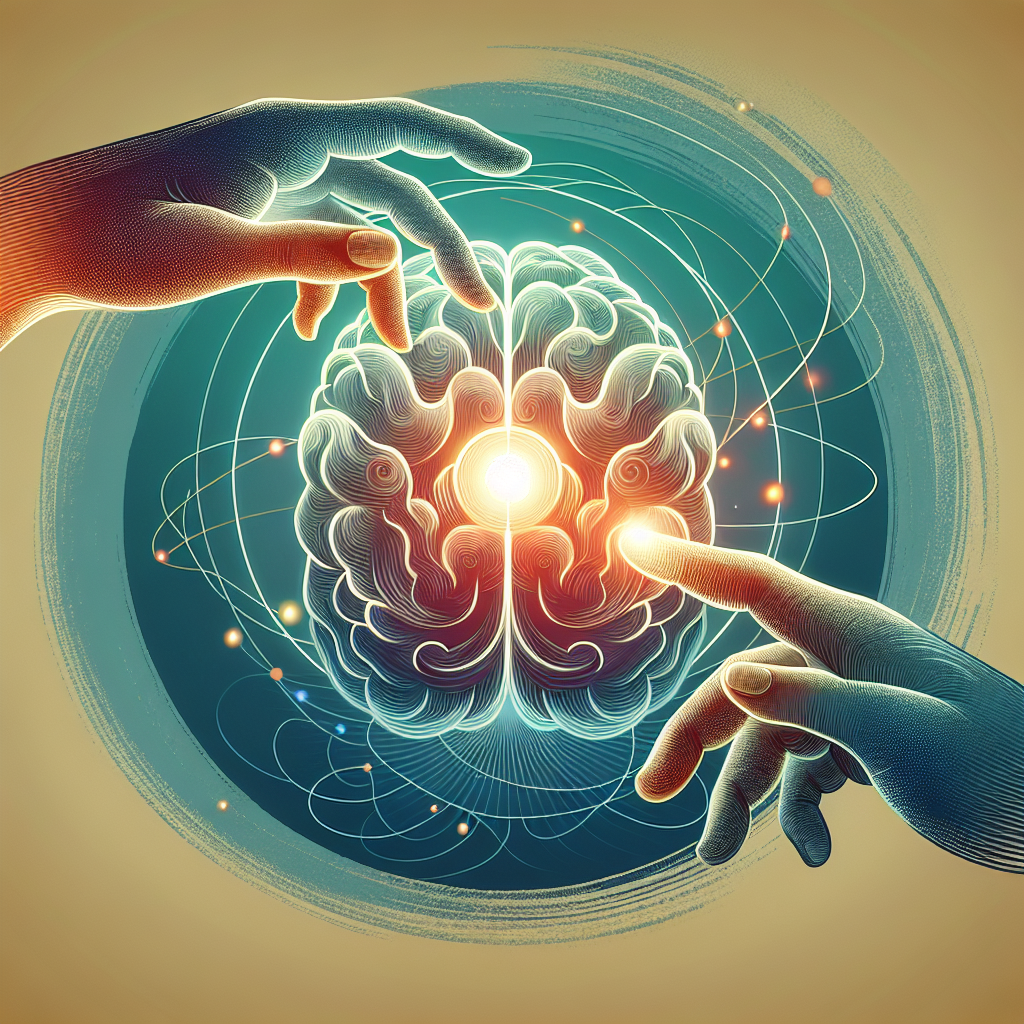
10 Techniques for Improving Hand-Eye Coordination After a Head Injury
Recovering from a head injury can be a daunting journey. Whether you’re dealing with a mild concussion or something more severe, regaining hand-eye coordination is often a critical part of rehabilitation. 🧠👋 But how exactly can this be achieved? Let’s dive into ten effective techniques to help you on this path to recovery.
Table of Contents
1. Introduction
2. Gentle Start: Simple Ball Games 🎾
3. Master the Art of Catching 🖐️
4. Visual Tracking Exercises 👀
5. Jigsaw Puzzles: Piece by Piece 🧩
6. The Power of Video Games 🎮
7. Fine Motor Skills Activities ✍️
8. Coordination Drills with a Partner 🤝
9. Virtual Reality: A Modern Twist 🌐
10. Consistent Practice and Patience ⏳
11. Conclusion
12. FAQs
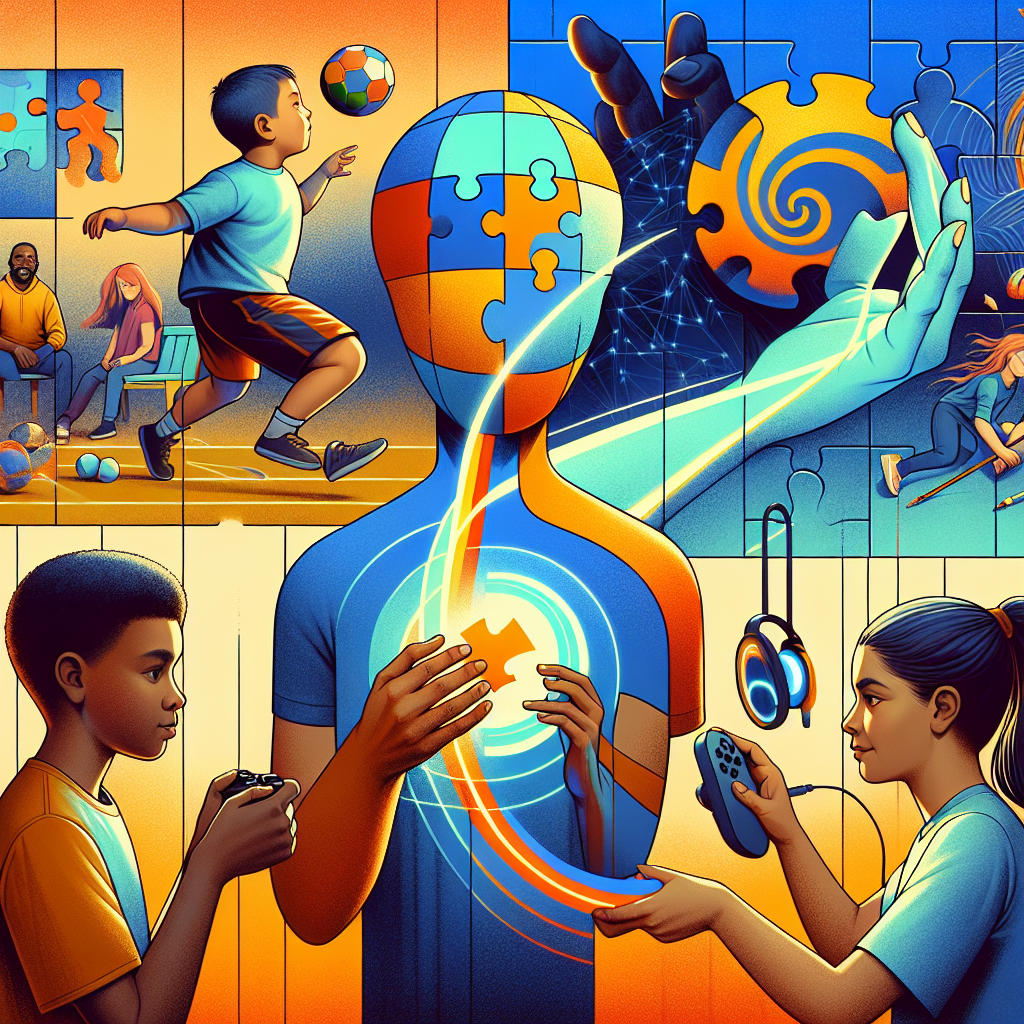
Gentle Start: Simple Ball Games 🎾
Starting with something as simple as playing catch with a soft ball can work wonders. This activity is not only fun, but it also encourages the brain to coordinate hand movements with visual stimuli. Remember, the key is to keep it gentle and not overexert yourself.
Master the Art of Catching 🖐️
Practice catching and throwing with varying speeds and distances. This can help to gradually rebuild your reaction time and precision. You can even try using different types of balls to add variety and challenge!
Visual Tracking Exercises 👀
Tracking moving objects with your eyes, such as following the path of a rolling ball, can significantly improve coordination. These exercises enhance your brain’s ability to process visual information quickly.
Jigsaw Puzzles: Piece by Piece 🧩
Jigsaw puzzles aren’t just a relaxing pastime; they’re a fantastic way to boost your cognitive abilities. Manipulating the small pieces helps improve fine motor skills and hand-eye coordination.
The Power of Video Games 🎮
Not all screen time is bad! Certain video games that require precise movements and quick reflexes can be beneficial. Opt for games specifically designed for rehabilitation to maximize the benefits.
Fine Motor Skills Activities ✍️
Engage in activities that require precision, such as drawing, writing, or even playing a musical instrument. These tasks encourage steady hand movements and can be quite therapeutic.
Coordination Drills with a Partner 🤝
Having a partner to practice with provides social interaction and motivation. Try simple drills like passing objects back and forth or synchronized exercises that require coordination.
Virtual Reality: A Modern Twist 🌐
Virtual reality technology offers immersive experiences that can aid in rehabilitation. VR games and exercises designed for therapy can enhance your coordination in a controlled, engaging environment.
Consistent Practice and Patience ⏳
Improvement takes time, so be patient with yourself. Consistency is crucial; set aside a little time each day to practice these exercises. Celebrate small victories to keep yourself motivated.
Conclusion
Rebuilding hand-eye coordination after a head injury is a journey that requires dedication and patience. With these ten techniques, you can make the road to recovery a little bit smoother. Remember, every small step brings you closer to your goal!
FAQs
Q1: How long does it take to improve hand-eye coordination after a head injury?
A1: The timeline varies depending on the severity of the injury and individual factors. Consistent practice can lead to noticeable improvements over a few weeks to months.
Q2: Are there any exercises I should avoid?
A2: Avoid exercises that cause pain or dizziness. Always consult with a healthcare professional to tailor activities to your specific needs.
Q3: Can children use these techniques?
A3: Absolutely! These techniques can be adapted for children, but ensure they are age-appropriate and supervised by an adult.
Q4: How can I track my progress?
A4: Keeping a journal of your activities and improvements can be motivating. Note any challenges and celebrate small achievements along the way.
Remember, it’s essential to consult with healthcare professionals when incorporating new activities into your rehabilitation plan. Stay positive and keep pushing forward! 💪✨