
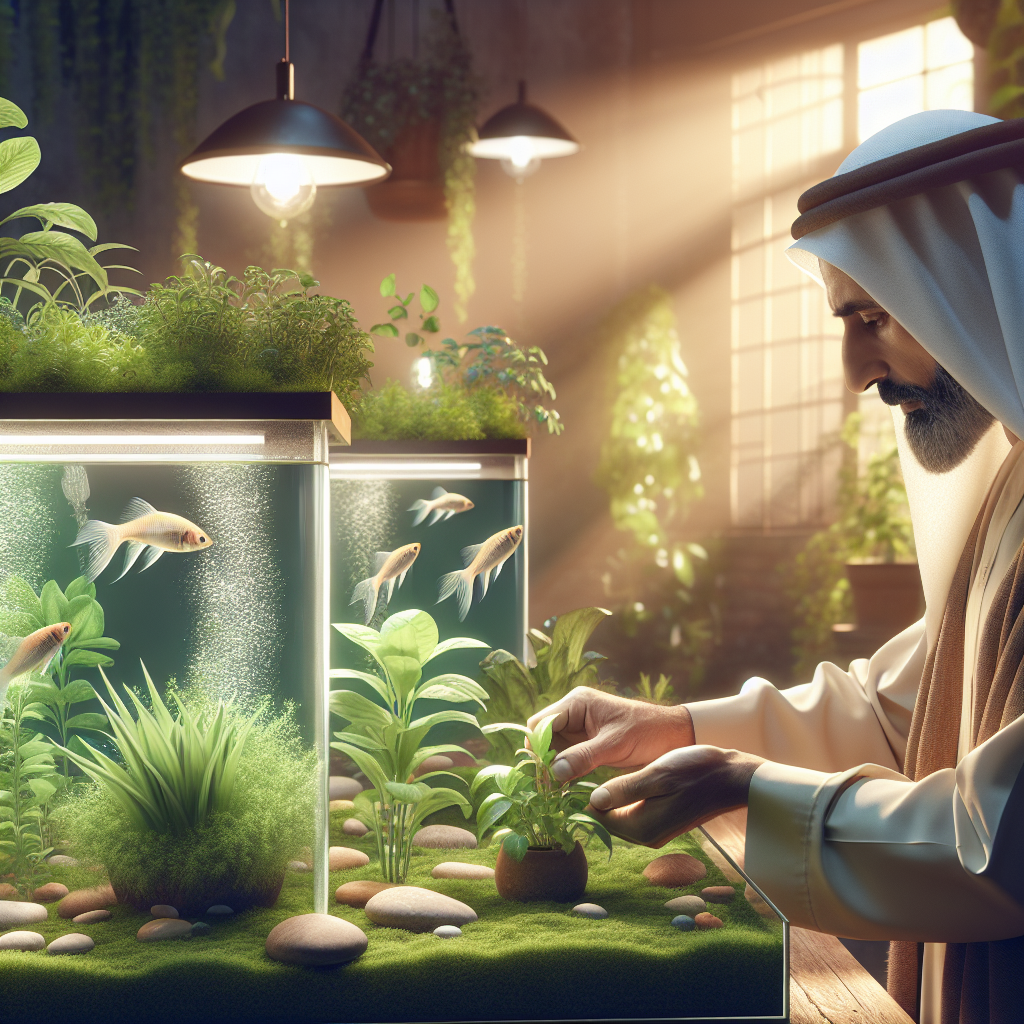
The Role of Aquaponics as a Therapeutic Activity During Recovery 🌱
Recovery, whether from illness, surgery, or mental health challenges, can be a daunting journey. While traditional therapies play a crucial role, incorporating alternative activities like aquaponics can enhance the healing process. Aquaponics, a sustainable method of growing plants and raising fish together, offers a unique blend of tranquility and productivity that can be incredibly therapeutic. Let’s dive into how aquaponics can be a soothing balm during recovery.
Table of Contents
1. Introduction to Aquaponics
2. The Therapeutic Benefits of Aquaponics
3. How to Get Started with Aquaponics at Home
4. Real-Life Stories: Aquaponics in Recovery
5. Conclusion
6. FAQs
Introduction to Aquaponics 🌿
Aquaponics is an innovative agricultural practice that combines aquaculture (raising fish) with hydroponics (growing plants without soil). This symbiotic system allows the fish to provide nutrients to the plants, which in turn purify the water for the fish. The result? A sustainable ecosystem that can be set up in your backyard or even indoors.
The Therapeutic Benefits of Aquaponics 🌟
Aquaponics offers several therapeutic benefits that can aid in recovery:
1. Stress Reduction
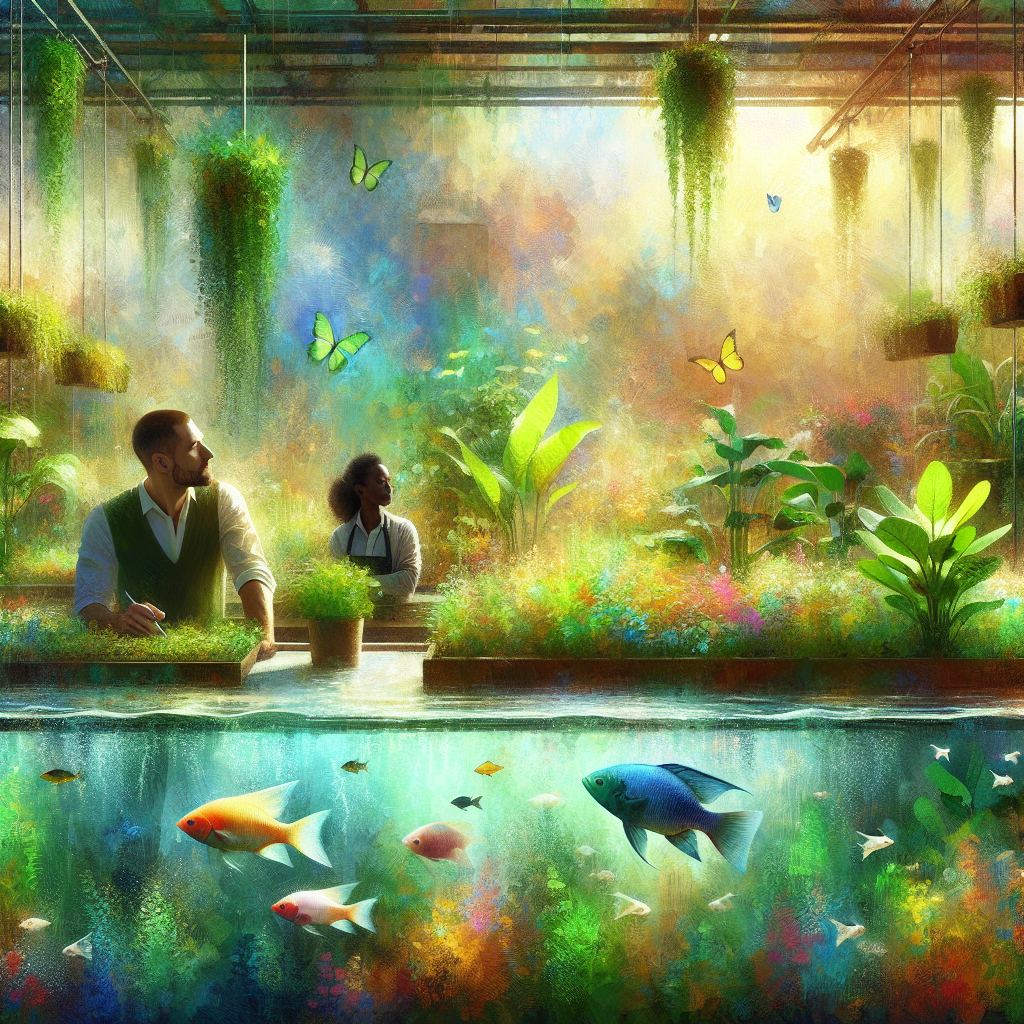
Engaging with nature has been shown to reduce stress levels. The gentle sound of water, the vibrant greenery of the plants, and the rhythmic movement of fish create a calming environment that can help reduce anxiety and promote relaxation.
2. Physical Activity
Maintaining an aquaponics system involves light physical activity, such as planting, feeding fish, and monitoring water quality. These activities can help improve physical health without being overly strenuous, making it ideal for those in recovery.
3. Sense of Achievement
Watching your plants grow and thrive can provide a sense of accomplishment. It offers a positive focus and a tangible goal to work towards, which can be especially beneficial when dealing with the uncertainties of recovery.
How to Get Started with Aquaponics at Home 🏡
Setting up an aquaponics system at home can be a rewarding project. Here’s a simple guide to help you get started:
1. Choose Your Location
Find a spot with plenty of sunlight, like a backyard or a sunny window. Ensure there’s enough space for your tank and plants.
2. Select Your System
Begin with a small, beginner-friendly system. Many kits are available online that provide everything you need to get started.
3. Pick Your Fish and Plants
Choose fish that are easy to care for, such as goldfish or tilapia. Opt for plants that grow well in water, such as lettuce, basil, or mint.
Real-Life Stories: Aquaponics in Recovery 🌼
Many individuals have found solace in aquaponics during their recovery journeys. For instance, Sarah, a breast cancer survivor, shared how tending to her aquaponics garden gave her a renewed sense of purpose and peace. Similarly, John, who struggled with depression, found that the routine of caring for his aquaponics setup helped improve his mood and outlook on life.
Conclusion 🎉
Aquaponics is more than just a gardening technique; it’s a therapeutic activity that can significantly enhance the recovery process. Whether you’re looking to reduce stress, engage in light physical activity, or find a sense of accomplishment, aquaponics offers a nurturing and sustainable way to heal and grow. 🌿
FAQs 🤔
1. What is aquaponics, and how does it work?
Aquaponics is a sustainable agricultural method that combines raising fish with growing plants in water. The fish waste provides nutrients for the plants, and the plants help clean the water for the fish.
2. Can anyone set up an aquaponics system at home?
Yes, aquaponics systems can be set up by anyone with a bit of space and sunlight. There are various kits available that cater to beginners.
3. How does aquaponics help in recovery?
Aquaponics can reduce stress, offer light physical activity, and provide a sense of achievement, all of which are beneficial during the recovery process.
4. What types of plants and fish are best for beginners?
For beginners, goldfish or tilapia are easy to care for fish, while lettuce, basil, and mint are great starter plants for an aquaponics system.
5. Is aquaponics environmentally friendly?
Yes, aquaponics is a sustainable and environmentally friendly method of agriculture that conserves water and reduces the need for chemical fertilizers.