
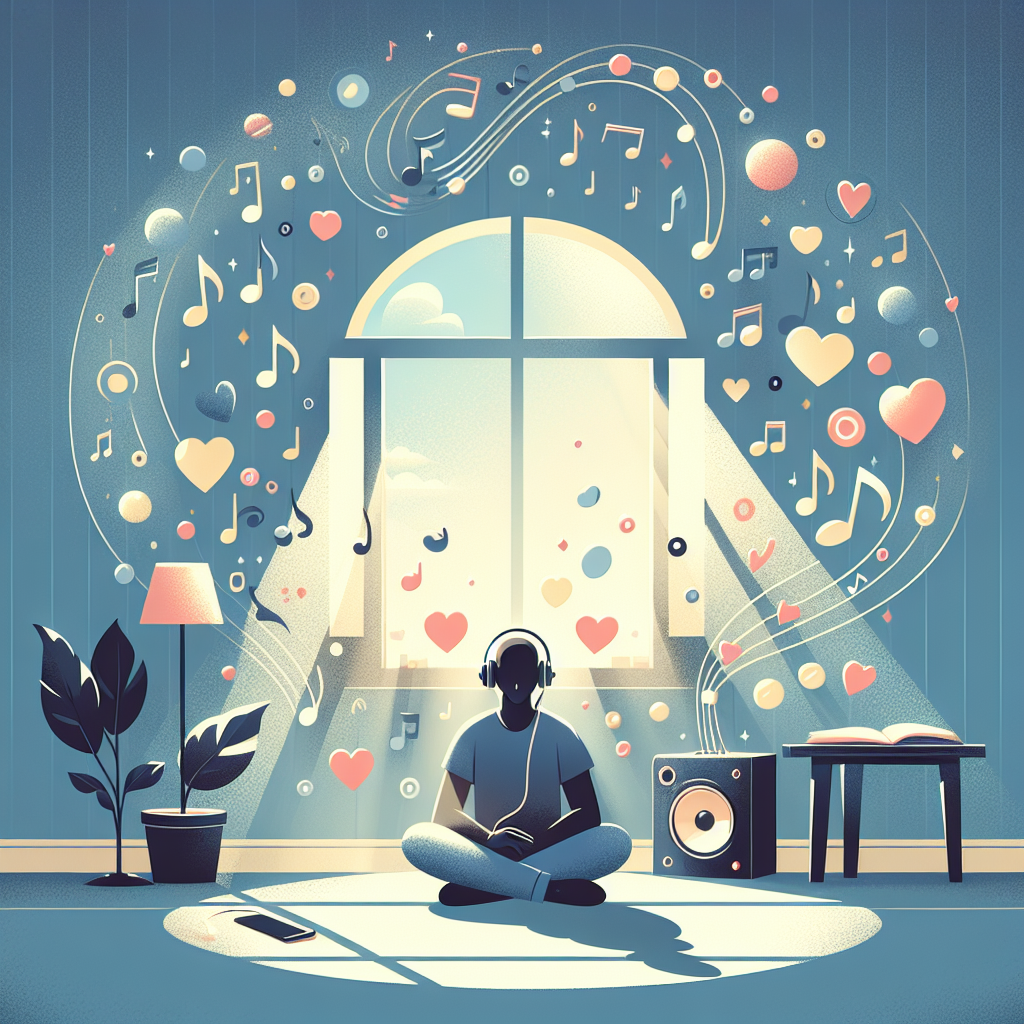
How to Use Personalized Music Playlists for Emotional Support 🎶
Music has a unique way of reaching into our souls, touching parts of us that words often cannot. It’s no wonder that many people turn to music for emotional support. In this blog post, we’ll explore how creating personalized music playlists can help you navigate through life’s emotional ups and downs. Whether you’re looking to lift your spirits, find solace, or celebrate joy, there’s a playlist waiting to be curated by you.
Table of Contents
1. Understanding the Power of Music
2. Creating Your Personalized Playlist
3. Using Playlists for Specific Emotions
4. Tips for Maximizing Emotional Benefits
5. Conclusion
6. FAQs
Understanding the Power of Music 🎧
Before diving into the creation of your playlist, it’s important to understand why music is such a potent emotional tool. Research shows that music can trigger the release of dopamine, a feel-good chemical in our brains. This makes music a natural mood enhancer and a powerful ally in emotional regulation. Whether you’re feeling sad, happy, or anxious, there’s a genre or song that can resonate with your current state and help guide you through it.
Creating Your Personalized Playlist 📝
So, how do you start crafting a playlist that’s tailored to your emotional needs? Here are some steps to get you started:
1. Identify Your Emotional Needs: Are you looking to boost your mood, calm your anxiety, or perhaps feel a sense of nostalgia? Knowing what you need emotionally is the first step.
2. Choose Your Genres and Artists: Think about the types of music that resonate with you. Is it the mellow tones of jazz, the upbeat rhythms of pop, or the raw energy of rock?
3. Mix It Up: Don’t be afraid to mix different genres and artists. Variety can keep your playlist engaging and cater to different aspects of your emotional spectrum.
4. Curate with Intent: Select songs that have lyrics or melodies that speak to you. It’s not just about the sound; it’s about the message and the feeling it evokes.
Using Playlists for Specific Emotions 😊😢😡
Once your playlist is ready, you can use it for targeted emotional support:
For Stress Relief: Opt for calming tracks with slow tempos. Classical music or ambient sounds can be particularly soothing.
For Motivation and Energy: Choose songs with upbeat tempos and empowering lyrics to get you moving and motivated.
For Processing Sadness: Sometimes, a good cry is what you need. Select songs that match your melancholic mood and allow yourself to feel and release those emotions.
Tips for Maximizing Emotional Benefits 🌟
To make the most out of your personalized playlists, consider these tips:
1. Listen Actively: Don’t just let the music play in the background. Engage with it, let it fill your space and your mind.
2. Update Regularly: As your emotional needs change, so should your playlist. Keep it fresh and relevant to your current state.
3. Use Headphones: To fully immerse yourself in the music and minimize distractions, use headphones for a more intimate listening experience.
Conclusion
Music is a powerful tool for emotional healing and support. By creating personalized playlists, you can harness this power to improve your mental well-being. Remember, the key is to be intentional with your selections and mindful of how the music makes you feel. So go ahead, start curating your musical journey and let the healing begin.
FAQs
1. How often should I update my playlists?
It’s a good idea to update your playlists as often as your emotional needs change. This could be weekly, monthly, or whenever you feel your current playlist no longer resonates with you.
2. What if I don’t know what songs to add?
Start with songs that have previously moved you. You can also explore curated playlists on music streaming platforms for inspiration.
3. Can music really help with anxiety?
Yes, music has been shown to reduce anxiety levels. Calming, slow-tempo music can help soothe and relax the mind, reducing anxious feelings.
4. Are there specific genres better for emotional support?
It depends on personal preference. Some find classical music calming, while others might prefer the familiarity of pop or the energy of rock. The best genre is the one that works for you.
5. Can I use playlists for meditation?
Absolutely! Many people use instrumental or ambient playlists to enhance their meditation or mindfulness practices.