
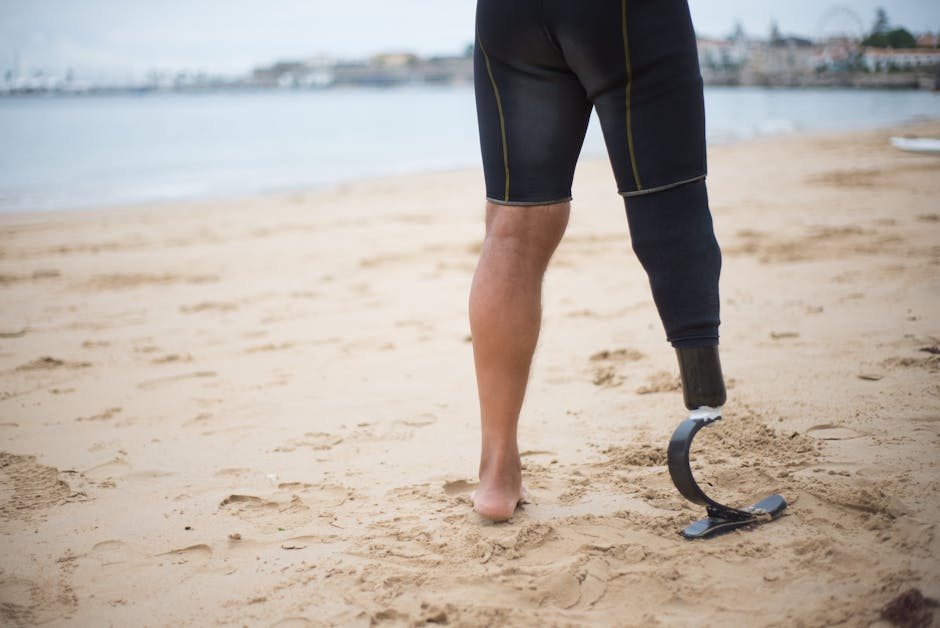
How to Incorporate Adaptive Sports into Your Recovery Plan
Recovery is a journey, and incorporating adaptive sports can make this journey more fulfilling and effective. Whether you’re recovering from an injury, surgery, or managing a chronic condition, adaptive sports offer a unique blend of physical activity and community support that can enhance your healing process. Let’s explore how you can seamlessly integrate adaptive sports into your recovery plan. 🏃♂️💪
Table of Contents
1. Introduction to Adaptive Sports
2. Benefits of Adaptive Sports in Recovery
3. Choosing the Right Adaptive Sport
4. Creating a Safe and Effective Recovery Plan
5. FAQs
Introduction to Adaptive Sports
Adaptive sports are modified activities that allow individuals with physical or cognitive disabilities to participate actively. These sports are tailored to meet various abilities, ensuring everyone can enjoy the benefits of physical activity. From wheelchair basketball to adaptive skiing, the options are vast and diverse. 🎿🏀
Benefits of Adaptive Sports in Recovery
Incorporating adaptive sports into your recovery plan offers a range of benefits:
Physical Health
Adaptive sports promote cardiovascular health, muscle strength, and flexibility. Engaging in regular physical activity can accelerate recovery, improve mobility, and enhance overall physical well-being. 🚴♀️
Mental Health
Mental health is equally crucial during recovery. Adaptive sports provide a sense of accomplishment, boost self-esteem, and reduce anxiety and depression. The camaraderie and support from fellow participants create a positive and motivating environment. 😊
Social Connection
Participating in adaptive sports fosters social interaction, expanding your support network. You’ll meet people with similar experiences, share stories, and build friendships, which can be incredibly beneficial for mental and emotional healing. 🤝
Choosing the Right Adaptive Sport
Selecting the right adaptive sport involves considering your interests, physical capabilities, and recovery goals. Here are some steps to guide you:
Consult with Healthcare Professionals
Before diving into any sport, consult with your doctor or physical therapist. They can provide recommendations based on your specific condition and recovery stage. 🩺
Explore Different Options
Try out various sports to see which ones you enjoy the most. Many communities offer trial sessions or adaptive sports programs, so take advantage of these opportunities to find your perfect match. 🏊♂️
Set Realistic Goals
Start with achievable goals and gradually increase your activity level. Setting realistic expectations prevents frustration and keeps you motivated throughout your recovery journey. 🎯
Creating a Safe and Effective Recovery Plan
Once you’ve chosen an adaptive sport, it’s time to integrate it safely into your recovery plan:
Start Slow
Begin with light sessions and gradually increase the intensity as your body adapts. Listen to your body and avoid pushing too hard, especially in the early stages. 🐢
Stay Consistent
Consistency is key. Regular participation in your chosen sport will yield the best results, so create a schedule that works for you and stick to it. 📅
Monitor Progress
Keep track of your progress and celebrate small victories along the way. Monitoring improvements can boost your motivation and help adjust your plan as needed. 📈
FAQs
1. What are adaptive sports?
Adaptive sports are modified activities designed to accommodate individuals with disabilities, allowing them to participate in sports tailored to their abilities.
2. How do I know which adaptive sport is right for me?
Consult with healthcare professionals, explore different sports, and consider your interests and abilities to find the best fit for your recovery needs.
3. Can adaptive sports aid in mental health recovery?
Yes, participating in adaptive sports can boost self-esteem, reduce anxiety and depression, and provide a supportive community, aiding mental health recovery.
4. Is it safe to start adaptive sports immediately after an injury?
Always consult with your doctor or physical therapist before starting any sport to ensure it’s safe and appropriate for your current recovery stage.
Incorporating adaptive sports into your recovery plan can transform your healing journey, offering physical, mental, and social benefits. Embrace the challenge, enjoy the community, and celebrate your progress! 🌟