
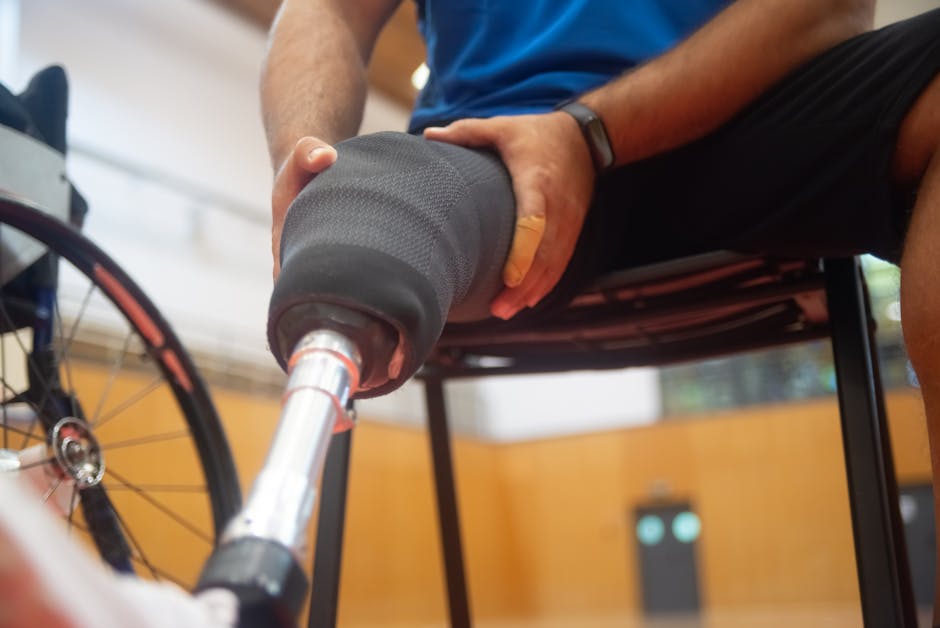
10 Ways to Foster Independence During the Recovery Process
Recovery is a journey, and fostering independence along the way is crucial for personal growth and self-reliance. Whether you or someone you care about is recovering from an illness, injury, or addiction, you can take steps to empower and support autonomy. Let’s explore ten effective ways to promote independence during recovery, ensuring a smoother and more fulfilling journey. 🌟
Table of Contents
1. Understand the Importance of Independence
2. Set Realistic Goals
3. Encourage Self-Care Practices
4. Support Decision-Making
5. Educate and Inform
6. Provide Tools and Resources
7. Celebrate Small Wins
8. Build a Support Network
9. Promote Mindfulness
10. Foster Patience and Resilience
1. Understand the Importance of Independence 🤔
Before diving into practical tips, it’s essential to grasp why independence is vital during recovery. Independence boosts confidence, improves mental health, and prepares individuals for long-term success. Recognizing these benefits can motivate both the person recovering and their support system to prioritize autonomy.
2. Set Realistic Goals 🎯
Setting achievable goals is a cornerstone of fostering independence. Start small and gradually increase the complexity of tasks. This method helps build confidence and competence over time, making the recovery process less overwhelming.
3. Encourage Self-Care Practices 🛀
Promote activities that nurture the mind and body. Encourage practices like meditation, gentle exercise, or creative hobbies. Self-care can empower individuals to take charge of their well-being, fostering a sense of control and independence.
4. Support Decision-Making 🗳️
Involve the person recovering in decisions about their treatment and daily activities. This involvement not only boosts independence but also ensures they feel valued and respected. Remember, it’s about guiding, not dictating.
5. Educate and Inform 📚
Knowledge is power. Provide information about recovery processes and options. Understanding what to expect can reduce anxiety and empower individuals to make informed decisions about their journey.
6. Provide Tools and Resources 🛠️
Equip individuals with the necessary tools and resources to manage their recovery. This could include apps for tracking progress, access to support groups, or educational materials. Resources enhance self-sufficiency and confidence.
7. Celebrate Small Wins 🎉
Every step forward, no matter how small, is a victory. Celebrating these achievements can boost morale and motivation, reinforcing the benefits of pursuing independence. Acknowledge progress to maintain a positive outlook.
8. Build a Support Network 🤝
Encourage connections with others who understand the recovery journey. A strong support network provides encouragement, advice, and companionship, which are invaluable for fostering independence.
9. Promote Mindfulness 🧘♀️
Mindfulness practices can enhance self-awareness and emotional regulation. Encourage techniques such as meditation and deep breathing exercises to help individuals stay present and focused, aiding in their recovery journey.
10. Foster Patience and Resilience 💪
Recovery is rarely a linear process. Cultivating patience and resilience can help individuals remain steadfast in the face of setbacks. Emphasize the importance of perseverance and the understanding that independence often grows gradually.
Conclusion
Fostering independence during recovery is a multifaceted process that requires patience, encouragement, and the right tools. By implementing these ten strategies, you can support yourself or a loved one in becoming more self-reliant and empowered on the recovery journey. Remember, every step towards independence is a step towards a brighter, more fulfilling future.
FAQs
1. How long does it take to regain independence during recovery?
The timeline varies for everyone and depends on the individual’s circumstances and the type of recovery. Progress can be gradual, so patience is key.
2. What are some self-care activities to promote independence?
Activities like journaling, yoga, and engaging in creative hobbies can promote self-care and independence by enhancing self-awareness and emotional well-being.
3. How can I support a loved one in their recovery process?
Be patient, encourage their progress, involve them in decision-making, and provide access to resources and support networks. Listen and offer empathy without overwhelming them with advice.
4. Why is celebrating small wins important?
Celebrating small victories boosts morale and motivation, helping individuals recognize their progress and reinforcing the positive aspects of gaining independence.
5. What role does mindfulness play in recovery?
Mindfulness helps individuals stay present and manage stress, enhancing self-awareness and emotional regulation, which are crucial for fostering independence during recovery.