
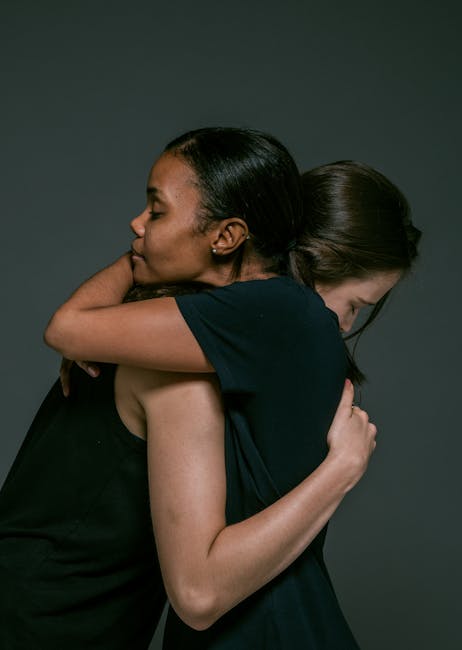
The Benefits of Dance Therapy for Emotional Healing
Have you ever found yourself lost in the rhythm of a song, feeling your worries melt away with each step? Dance has a unique power to transcend language and touch the soul. But did you know it can also be a profound tool for emotional healing? Welcome to the world of dance therapy! Let’s explore how moving to the beat can transform your emotional well-being. 💃🕺
Table of Contents
- What is Dance Therapy?
- Emotional Benefits of Dance Therapy
- How Dance Therapy Works
- Getting Started with Dance Therapy
- Conclusion
- FAQs
What is Dance Therapy?
Dance therapy, also known as dance/movement therapy (DMT), is a form of expressive therapy that uses movement to support emotional, cognitive, physical, and social integration. Rooted in the idea that body and mind are interconnected, this practice encourages individuals to use dance as a medium for healing and self-expression. 🌟
Emotional Benefits of Dance Therapy
Dance therapy offers numerous emotional benefits, helping to unlock emotions and improve mental health in various ways:
1. Stress Relief and Relaxation 😌
Moving to music can be an excellent stress buster. Dance therapy encourages the release of endorphins, which can reduce stress and promote a sense of calm and relaxation.
2. Emotional Expression 🎭
Sometimes, words aren’t enough to express how we feel. Dance therapy provides a safe space to express emotions non-verbally, helping to release pent-up feelings and gain insight into personal experiences.
3. Boosted Confidence and Self-Esteem 🚀
As individuals learn to move freely and creatively, they often experience a boost in confidence and self-esteem. Overcoming the fear of judgment and embracing one’s unique style can be incredibly empowering.
How Dance Therapy Works
Dance therapy sessions are typically led by trained therapists who guide participants through movement exercises tailored to their needs. These sessions can be conducted individually or in groups, fostering a sense of community and shared experience.
The therapeutic process involves:
Assessment: Therapists evaluate the participant’s needs and set goals for therapy.
Movement Exploration: Participants are encouraged to explore various movements and rhythms, often improvising to express themselves.
Reflection: Participants reflect on their experiences, often discussing the emotions and thoughts that arose during the session.
Getting Started with Dance Therapy
If you’re curious about trying dance therapy, here are a few steps to get you started:
Research: Look for certified dance therapists or therapy centers near you.
Try a Session: Attend a trial session to see if it’s a good fit for you. Remember, there’s no need for dance experience!
Be Open-Minded: Approach the therapy with an open mind and be willing to explore new ways of expressing yourself.
Conclusion
Whether you’re looking to relieve stress, express emotions, or simply have fun, dance therapy offers a unique and powerful way to heal emotionally. By embracing movement, you can unlock a new world of self-discovery and well-being. 💖
FAQs
1. Do I need to be a good dancer to benefit from dance therapy?
No dance experience is necessary! Dance therapy is about expression and healing, not performance. Everyone can benefit, regardless of skill level.
2. How often should I attend dance therapy sessions?
The frequency of sessions can vary based on individual needs. Some people benefit from weekly sessions, while others may attend less frequently.
3. Can dance therapy help with anxiety and depression?
Yes, dance therapy can be a valuable tool for managing anxiety and depression by promoting relaxation, emotional expression, and self-esteem.
4. Is dance therapy suitable for children?
Absolutely! Dance therapy is often used with children to help them express emotions, improve social skills, and enhance overall development.
5. What should I wear to a dance therapy session?
Wear comfortable clothing that allows for free movement. The focus is on feeling good, not looking a certain way!