
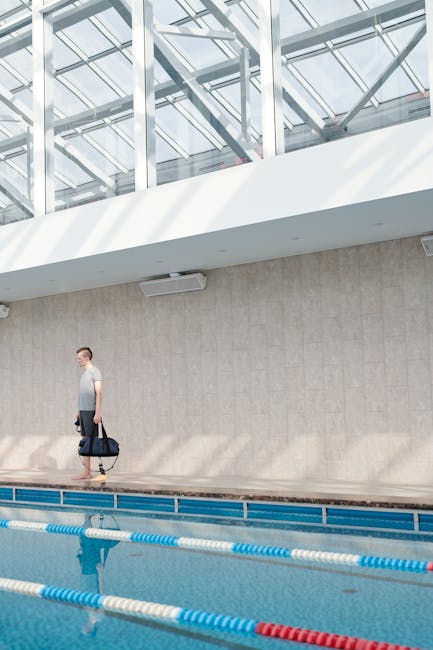
How to Maintain a Balanced Lifestyle During Rehabilitation
Rehabilitation is a journey that requires a blend of patience, resilience, and a well-rounded lifestyle to ensure a successful recovery. Balancing your lifestyle during this period can significantly enhance your healing process. In this blog post, we’ll explore practical tips and strategies to maintain a balanced lifestyle during rehabilitation, helping you feel more empowered and supported every step of the way.
Table of Contents
1. Introduction
2. Prioritizing Physical Health
3. Nurturing Mental Well-Being
4. Building a Support System
5. Embracing Nutrition and Hydration
6. Conclusion
7. FAQs
Prioritizing Physical Health 🏋️♂️
Physical health plays a crucial role in rehabilitation, and it’s important to incorporate activities that suit your current abilities and goals:
1. Follow Your Medical Team’s Guidance: Always listen to your healthcare providers. They offer tailored advice that aligns with your recovery needs.
2. Gentle Exercises: Engage in low-impact exercises like walking, swimming, or stretching, which can improve circulation and reduce stress without overexerting yourself.
3. Rest and Recovery: Ensure you get enough rest. Your body heals during rest, making sleep and downtime vital components of your rehabilitation routine.
Nurturing Mental Well-Being 🧘♀️
Mental health is equally important as physical health during rehabilitation. Here’s how you can maintain it:
1. Mindfulness and Meditation: Practice mindfulness or meditation to help reduce stress and increase your focus on the present moment.
2. Positive Thinking: Keep a journal to track your progress and note down positive affirmations. This process can enhance your mood and outlook.
3. Professional Support: Don’t hesitate to seek the help of a therapist or counselor. They can provide you with strategies to cope with emotional challenges.
Building a Support System 🤝
A strong support system can make a significant difference in your rehabilitation journey:
1. Family and Friends: Surround yourself with people who uplift and motivate you. Regular interaction can boost your morale and provide emotional comfort.
2. Support Groups: Join rehabilitation support groups where you can share experiences and learn from others who are on a similar journey.
Embracing Nutrition and Hydration 🥗
Nutrition is a cornerstone of any recovery process. Keep these tips in mind:
1. Balanced Diet: Consume a variety of foods rich in vitamins, minerals, and proteins to support your body’s healing process.
2. Stay Hydrated: Drink plenty of water to keep your body hydrated, which is essential for all bodily functions.
3. Consult a Nutritionist: A nutritionist can help you create a meal plan that meets your specific dietary needs during rehabilitation.
Conclusion
Rehabilitation is a complex and individual journey, but by maintaining a balanced lifestyle, you can enhance your recovery process. Prioritizing physical health, nurturing mental well-being, building a robust support system, and embracing proper nutrition will empower you to face challenges with resilience and optimism. Remember, each small step counts, and your journey towards recovery is uniquely yours.
FAQs
1. How often should I exercise during rehabilitation?
It’s best to follow the recommendations of your healthcare provider, who can suggest a frequency that suits your specific condition and recovery goals.
2. What are some good foods to eat during rehabilitation?
Focus on a balanced diet that includes lean proteins, whole grains, fruits, vegetables, and adequate hydration. Consulting with a nutritionist can provide more personalized guidance.
3. How can I stay motivated during my recovery?
Set small, achievable goals, celebrate your progress, and maintain a positive mindset. Engaging with a support group can also provide motivation and encouragement.
4. Is it normal to feel emotionally overwhelmed during rehabilitation?
Yes, it’s completely normal. Rehabilitation can be challenging, and seeking professional mental health support can be beneficial in managing overwhelming emotions.
5. Can I still socialize while focusing on my recovery?
Absolutely! Socializing with supportive friends and family can improve your mental health and provide emotional strength during your rehabilitation journey.