
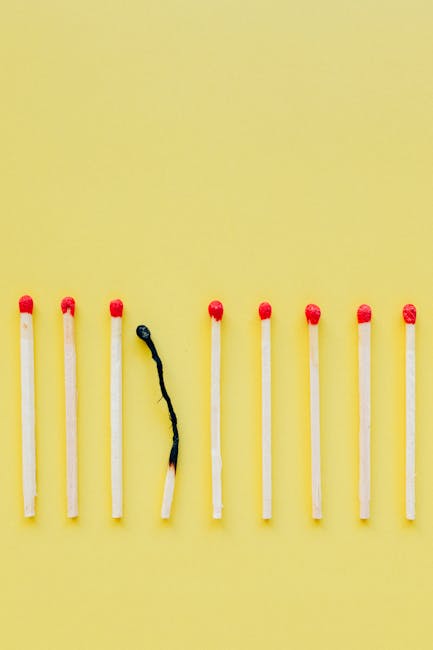
10 Techniques for Managing Stress-Induced Headaches
Stress is an unavoidable part of life, but when it leads to headaches, it can feel like the world is pressing down on you. 😖 Luckily, there are effective ways to manage and even prevent these stress-induced headaches. In this blog post, we’ll explore 10 techniques to help you find relief and regain control over your well-being.
Table of Contents
1. Understanding Stress-Induced Headaches
2. Deep Breathing Exercises
3. Mindfulness and Meditation 🧘♂️
4. Regular Physical Activity
5. Adequate Hydration 💧
6. Balanced Nutrition
7. Sleep Hygiene 🛌
8. Aromatherapy
9. Massage Therapy 💆♀️
10. Professional Guidance
FAQs
Understanding Stress-Induced Headaches
Before diving into solutions, it’s crucial to understand what stress-induced headaches are. These headaches are often tension-type headaches, resulting from muscle contractions in the head and neck due to stress. Recognizing the signs can help you address them more effectively.
Deep Breathing Exercises
Deep breathing is a simple yet powerful tool. By focusing on your breath, you can calm your mind and reduce physical tension. Try inhaling deeply through your nose, holding for a few seconds, and then exhaling slowly. Repeat this process for a few minutes whenever you feel stress creeping in.
Mindfulness and Meditation 🧘♂️
Practicing mindfulness and meditation can help you stay grounded and reduce stress levels. Even just a few minutes a day can make a significant difference. Apps like Headspace or Calm offer guided sessions to get you started.
Regular Physical Activity
Exercise is a proven stress-buster. Whether you prefer yoga, jogging, or a brisk walk, regular physical activity releases endorphins, which are natural mood lifters. Plus, it can help prevent headaches by keeping your muscles loose and relaxed.
Adequate Hydration 💧
Dehydration can exacerbate stress-induced headaches. Keep a water bottle handy and aim to drink at least eight glasses of water a day. Herbal teas can also be a soothing way to stay hydrated.
Balanced Nutrition
Eating a balanced diet rich in fruits, vegetables, lean proteins, and whole grains can support your body’s ability to cope with stress. Avoid excessive caffeine and sugar, which can contribute to tension and headaches.
Sleep Hygiene 🛌
A good night’s sleep is vital for managing stress. Establish a regular sleep schedule, create a restful environment, and avoid screens before bedtime to improve your sleep quality.
Aromatherapy
Essential oils like lavender and peppermint have calming properties that may help alleviate headaches. A few drops on your pillow or in a diffuser can create a relaxing atmosphere.
Massage Therapy 💆♀️
A soothing massage can reduce muscle tension and promote relaxation. Whether you visit a professional or try self-massage techniques, this can be a beneficial addition to your headache management arsenal.
Professional Guidance
If stress-induced headaches persist, consider seeking professional help. A therapist or counselor can provide strategies tailored to your specific needs, and a healthcare provider can rule out other causes of your headaches.
FAQs
Q: Can stress-induced headaches be prevented entirely?
A: While it may not be possible to prevent them entirely, adopting stress management techniques can significantly reduce their frequency and intensity.
Q: How long do stress-induced headaches typically last?
A: They can last from as little as 30 minutes to several hours. Implementing relaxation techniques can help shorten their duration.
Q: Are there any specific foods that can trigger stress-induced headaches?
A: Yes, certain foods like caffeine, alcohol, and processed foods can trigger headaches in some individuals. Keeping a food diary can help identify potential triggers.
Incorporating these techniques into your daily routine can help manage stress-induced headaches effectively. Remember, the key is consistency and patience. With time, you can enjoy a life with fewer headaches and more peace. 🌟