
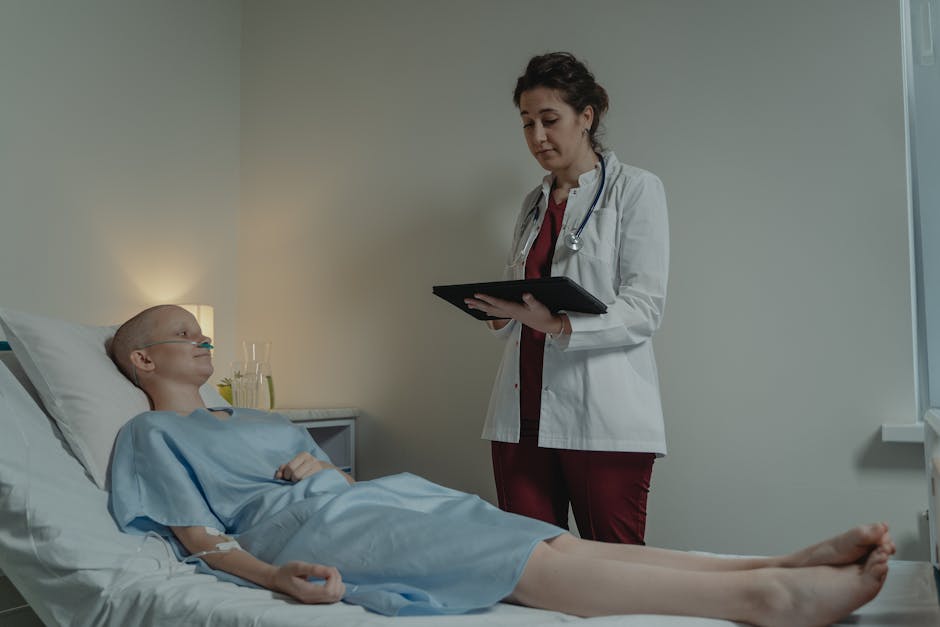
How to Build Your Own Support System When Recovering Alone
Recovering from any setback, be it physical, emotional, or mental, can be a daunting journey, especially when you’re going at it solo. But fear not! Building your own support system is entirely possible and can be incredibly rewarding. Let’s explore some effective ways to create that much-needed net of support and encouragement as you navigate through your recovery. 🌟
Table of Contents
1. Understanding the Need for a Support System
2. Connecting with Community
3. Utilizing Technology
4. Implementing Self-Care Strategies
5. Reaching Out to Professionals
6. Conclusion
7. FAQs
Understanding the Need for a Support System
Whether you’re recovering from surgery, a tough breakup, or any life challenge, having a support system is crucial. Why? Because we all need people who can offer empathy, advice, and a shoulder to lean on. A robust support system can boost your morale, provide emotional stability, and even speed up your recovery process. 🤝
Connecting with Community
Start by looking around your existing networks. You might find support in unexpected places!
Friends and Family: Reach out to those who have been there in the past. They might not know you need help unless you tell them.
Local Groups: Many communities have support groups or clubs that meet regularly. Check out community centers or libraries for information.
Volunteering: Volunteering can be a great way to meet new people and gain a fresh perspective on your own situation. Plus, helping others often helps us too! 😊
Utilizing Technology
In today’s digital age, technology can be a fantastic tool to help build your support system.
Social Media: Join online support groups or forums where people are going through similar experiences. You’ll find that sharing your story can be both healing and empowering.
Apps: There are many apps designed to support mental health and wellness. Apps like Headspace for meditation or MyFitnessPal for tracking health goals can be incredibly useful.
Virtual Meetups: Platforms like Zoom or Skype can help you stay connected with loved ones, no matter where they are in the world. 🌍
Implementing Self-Care Strategies
Self-care is not selfish; it’s necessary. Here are some ways to nurture yourself:
Routine: Establishing a daily routine can provide structure and a sense of normalcy.
Mindfulness: Practices like meditation, yoga, or journaling can help manage stress and improve mental clarity.
Hobbies: Pursue activities that bring you joy, whether it’s painting, reading, or gardening. They offer a constructive distraction and a way to express yourself. 🎨
Reaching Out to Professionals
If you’re struggling, never hesitate to seek professional help. Therapists, counselors, and coaches can provide guidance tailored to your specific needs. Remember, asking for help is a sign of strength, not weakness. 💪
Conclusion
Building your own support system when recovering alone may seem challenging at first, but with the right approach and resources, it’s completely achievable. Remember, the journey is just as important as the destination, and every step you take is a step towards healing and growth. You’ve got this! 🌈
FAQs
Q: How do I start building a support system if I’m introverted?
A: Begin by reaching out to one or two trusted people in your life. You can also join online communities where you can participate at your own pace.
Q: Can technology really replace face-to-face interaction?
A: While nothing can fully replace in-person interactions, technology offers a viable alternative, especially for connecting with those far away or during times when meeting in person isn’t feasible.
Q: What if I don’t feel comfortable asking for help?
A: It’s normal to feel this way, but remember, everyone needs help sometimes. Start small, perhaps by sharing your feelings with a close friend or writing them down. Gradually, it will become easier. 😊