
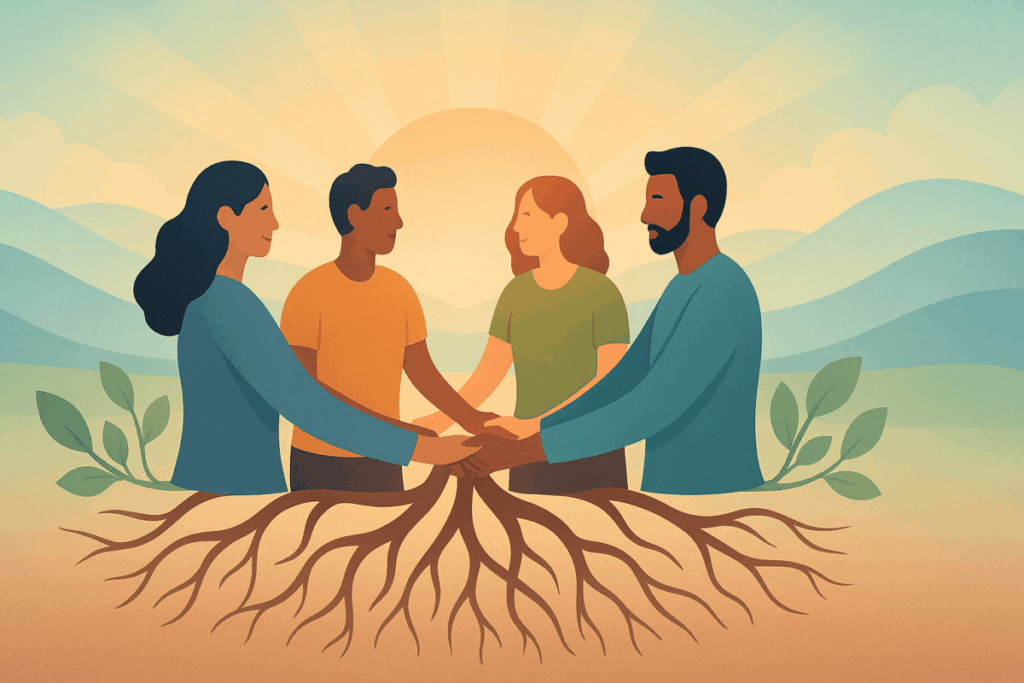
How to Develop a Supportive Community Network for Recovery
Building a supportive community network for recovery is essential for anyone striving to overcome challenges, whether they be related to addiction, mental health, or other life hurdles. A strong network can provide encouragement, accountability, and a sense of belonging that is crucial for long-term success. In this blog post, we’ll explore practical steps to create this vital support system. 😊
Table of Contents
1. Understand the Importance of Community
2. Identify Local and Online Resources
3. Engage Actively in Community Groups
4. Build Personal Relationships
5. Contribute Back to the Community
6. Conclusion
7. FAQs
Understand the Importance of Community
First and foremost, it’s important to recognize why community support is vital for recovery. Feeling isolated can often exacerbate challenges, while being part of a supportive community can provide shared experiences, empathy, and motivation. Knowing that you’re not alone can make a world of difference. 🌍
Identify Local and Online Resources
Start by identifying both local and online resources that cater to your specific needs. Look for support groups, community centers, and online forums that align with your recovery goals. Websites and apps dedicated to recovery can also provide virtual support, which is especially useful if in-person options are limited. 📱
Engage Actively in Community Groups
Once you’ve found potential groups, it’s time to engage. Attend meetings, participate in discussions, and be open about your journey. Active participation not only benefits you but also encourages others who might be in similar situations. Remember, every voice matters! 🎤
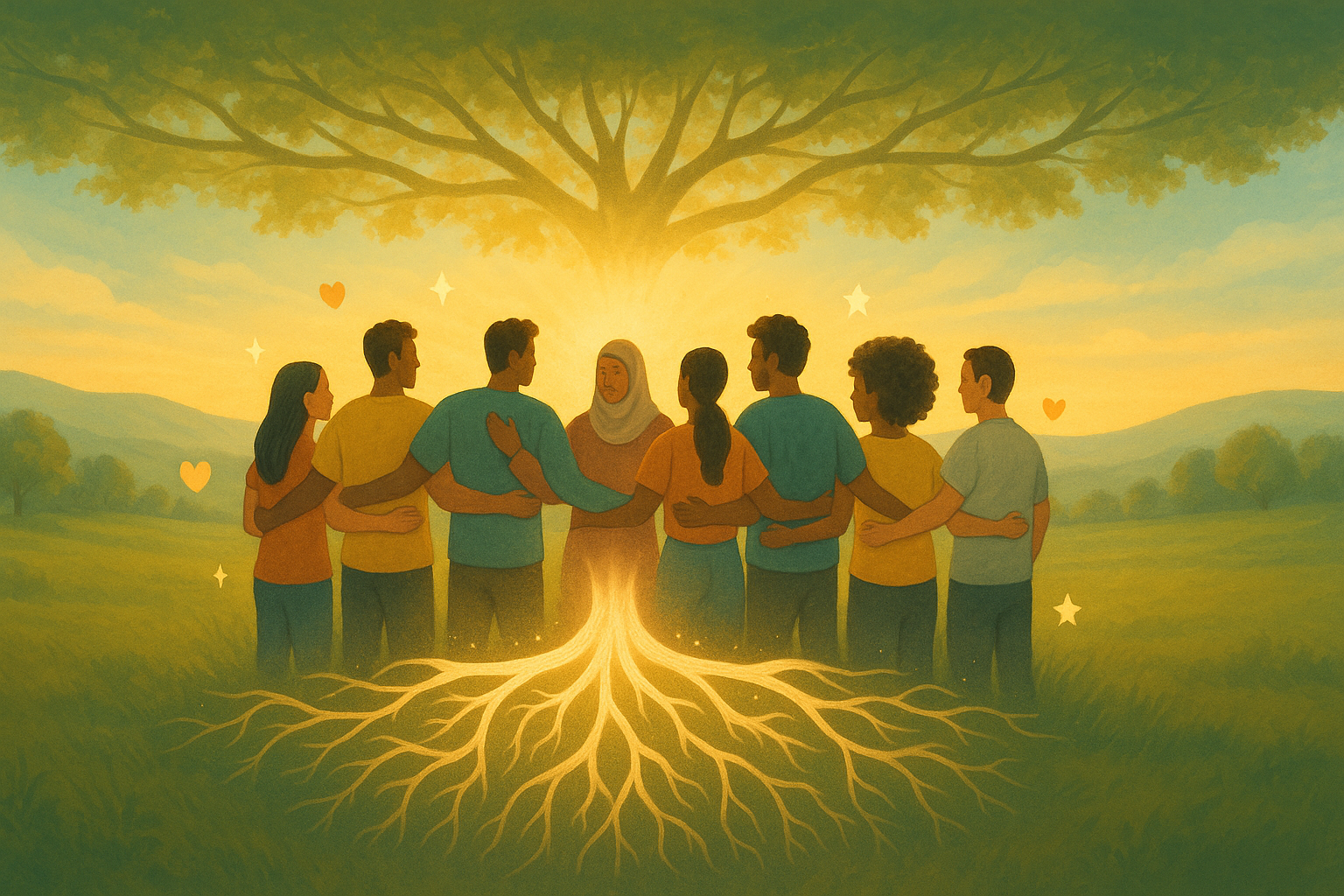
Build Personal Relationships
Beyond group settings, focus on building one-on-one relationships with individuals who genuinely understand your journey. Having a few close connections can provide deeper emotional support and a safe space to share personal experiences. These relationships often become pivotal in your recovery journey. 🤝
Contribute Back to the Community
As you progress on your recovery journey, consider giving back to the community. Whether it’s by sharing your story, volunteering, or simply being there for someone else in need, contributing back can be incredibly fulfilling and further solidify your own recovery. 🌟
Conclusion
Developing a supportive community network for recovery is a dynamic process that requires time, effort, and sincerity. By understanding its importance, identifying resources, engaging actively, building personal relationships, and giving back, you can create a network that not only supports you but also enriches your life. Remember, recovery is a journey best traveled together. 🚀
FAQs
1. How do I start finding community groups for recovery?
Begin by researching online for local and virtual groups that align with your needs. Community centers and healthcare providers can also be great resources for finding the right group.
2. What if I feel nervous about joining a new group?
Feeling nervous is completely normal! Start by attending a few meetings to get a feel for the group. Most communities are welcoming and understanding of newcomers.
3. Can online communities be as effective as in-person ones?
Absolutely! Online communities offer flexibility and anonymity, which can be advantageous. They can be just as supportive, especially when in-person options are limited.
4. How can I contribute to my community if I’m still in early recovery?
Contributing doesn’t require grand gestures. Simply being present and sharing your experiences can be incredibly valuable to others in the community.