
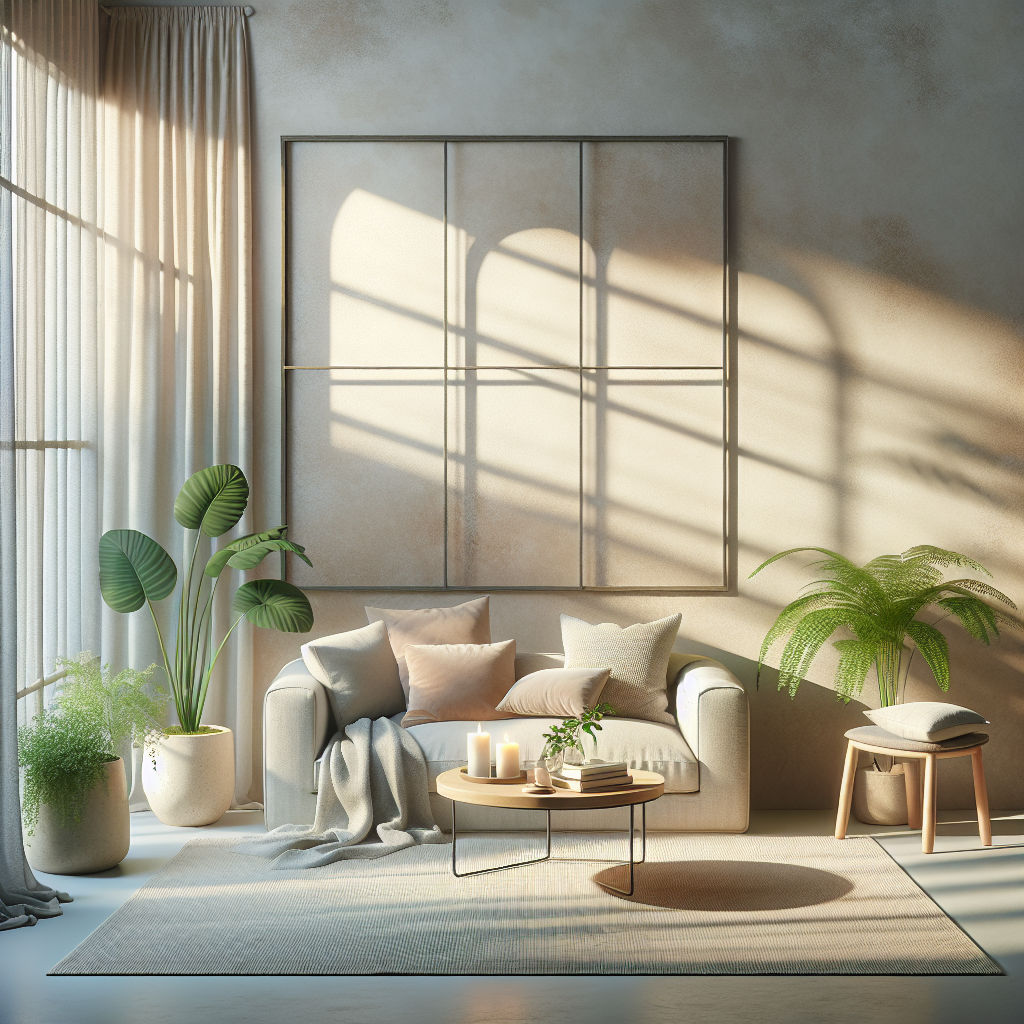
How to Design a Space Conducive to Healing and Relaxation
In today’s fast-paced world, creating a sanctuary at home where you can unwind and recharge is more important than ever. A space designed for healing and relaxation can have a profound impact on your mental and physical well-being. Ready to transform your space into a personal oasis? Let’s dive in! 🌿
Table of Contents
1. The Importance of a Healing Space
2. Choosing the Right Colors
3. Incorporating Natural Elements
4. Lighting Matters
5. Declutter and Simplify
6. Personal Touches
7. Conclusion
8. FAQs
The Importance of a Healing Space
Before we get into the nitty-gritty details, let’s talk about why having a healing space is essential. A well-designed environment can reduce stress, improve mood, and even boost productivity. It’s not just about aesthetics; it’s about creating a space that nurtures your soul. ✨
Choosing the Right Colors 🎨
Colors have a powerful impact on our emotions. For a calming atmosphere, consider soft, neutral tones like pastels, whites, and beiges. These colors promote tranquility and peace. If you love a pop of color, try incorporating soothing hues like soft blues or greens. Remember, the goal is to create a space that feels serene and welcoming.
Incorporating Natural Elements 🌿
Bringing the outdoors inside can significantly enhance your relaxation space. Consider adding plants, which not only purify the air but also add a touch of life and vitality. Wooden furniture, stone accents, and water features can also help create a natural, grounding environment.
Lighting Matters 💡
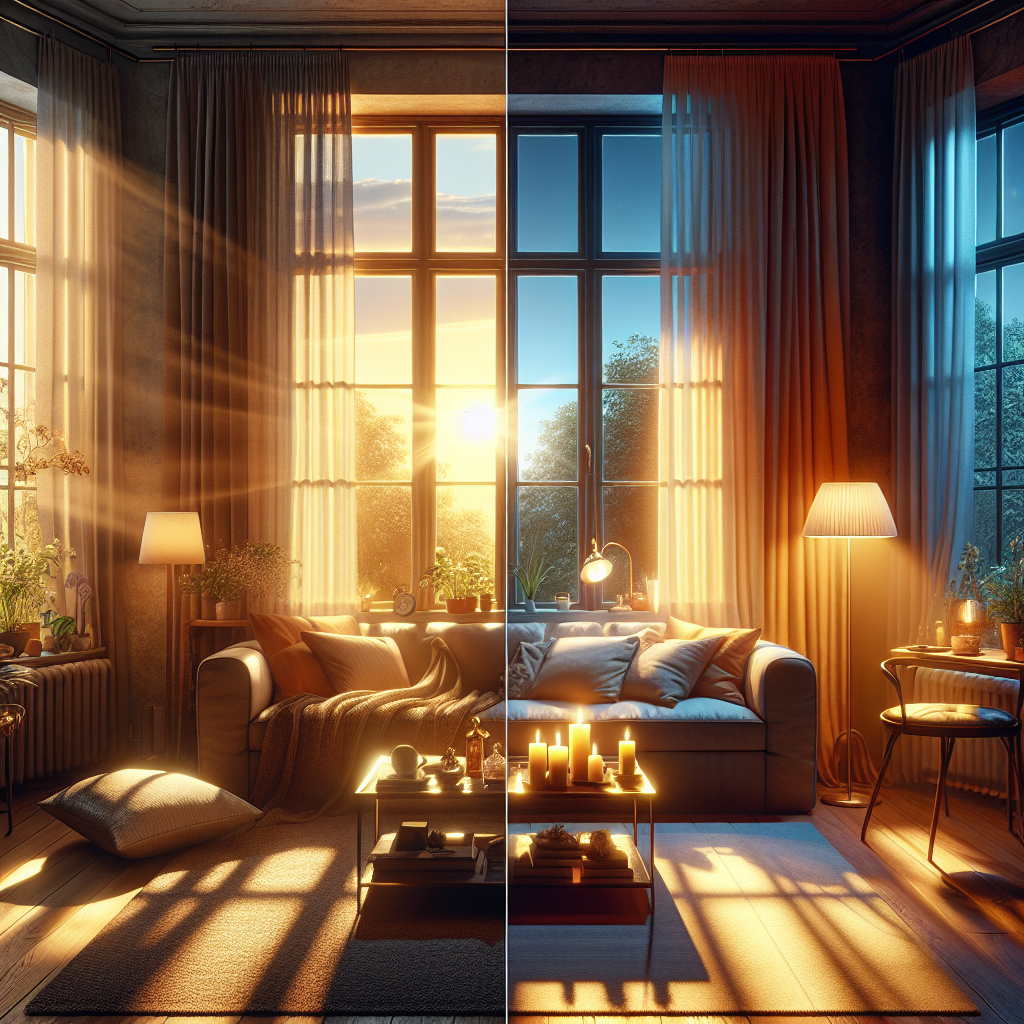
Good lighting is crucial for setting the right mood. Natural light is best, so make use of windows and sheer curtains to let sunlight flood in. For evening relaxation, opt for soft, warm lighting. Candles or dimmable lamps can create a cozy, inviting atmosphere perfect for winding down.
Declutter and Simplify 🧹
A cluttered space can lead to a cluttered mind. Keep your relaxation area tidy by removing unnecessary items. Use storage solutions to keep essentials organized and out of sight. A minimalist approach often works best, allowing the mind to focus on relaxation rather than chaos.
Personal Touches 🖼️
Make your space uniquely yours by adding personal touches. Whether it’s family photos, art that inspires you, or sentimental objects, these elements can make your space feel more comforting and personal. Just ensure they contribute to the overall sense of peace and relaxation.
Conclusion
Creating a space conducive to healing and relaxation doesn’t have to be complicated. With the right colors, elements of nature, proper lighting, and a clutter-free environment, you can transform any room into a restorative haven. Remember, it’s all about what makes you feel at ease and rejuvenated. 🌺
FAQs
Q1: What colors should I avoid in a relaxation space?
A1: It’s best to avoid overly bright or intense colors like bright reds or neons, as they can be stimulating rather than calming.
Q2: How many plants should I incorporate?
A2: There’s no strict rule, but a few well-placed plants can significantly enhance the space without overwhelming it.
Q3: Can I create a healing space in a small apartment?
A3: Absolutely! Focus on key elements like color, lighting, and decluttering to maximize the space you have.
Q4: What type of lighting is best for relaxation?
A4: Soft, warm lighting is ideal. Consider using lamps with dimmers or candles to create a soothing atmosphere.
Q5: How often should I redecorate my relaxation space?
A5: It’s up to you, but refreshing your space every season can keep it feeling new and inviting.