10 Simple Exercises to Enhance Flexibility and Strength
Hey there, fitness enthusiasts! 🏋️♂️ Whether you’re a seasoned athlete or just beginning your fitness journey, enhancing your flexibility and strength is key to maintaining a healthy body. Not only does it improve your range of motion, but it also boosts your overall performance and helps prevent injuries. Today, let’s dive into 10 simple yet effective exercises that can make a world of difference! 🌟
Table of Contents
1. Warm-Up: The Foundation of Flexibility
2. Dynamic Stretching: Get Moving!
3. Yoga Poses for Flexibility and Strength
4. Resistance Training: Building Muscle Power
5. Pilates: Core Strengthening and Flexibility
6. Tai Chi: Movement and Balance
7. Functional Exercises: Practical Movements
8. Foam Rolling: Self-Myofascial Release
9. Breathing Exercises: The Unsung Hero
10. Cool Down: Ending on a Relaxed Note
FAQs
1. Warm-Up: The Foundation of Flexibility
Before jumping into any exercise routine, warming up is crucial. A good warm-up increases blood flow to your muscles, gradually raises your heart rate, and prepares your body for physical activity. Try simple activities like brisk walking or jumping jacks for about 5-10 minutes. 🚶♀️💓
2. Dynamic Stretching: Get Moving!
Dynamic stretching involves moving parts of your body through a full range of motion. Think leg swings, arm circles, or walking lunges. These exercises not only improve flexibility but also enhance muscle coordination. 🏃♂️✨
3. Yoga Poses for Flexibility and Strength
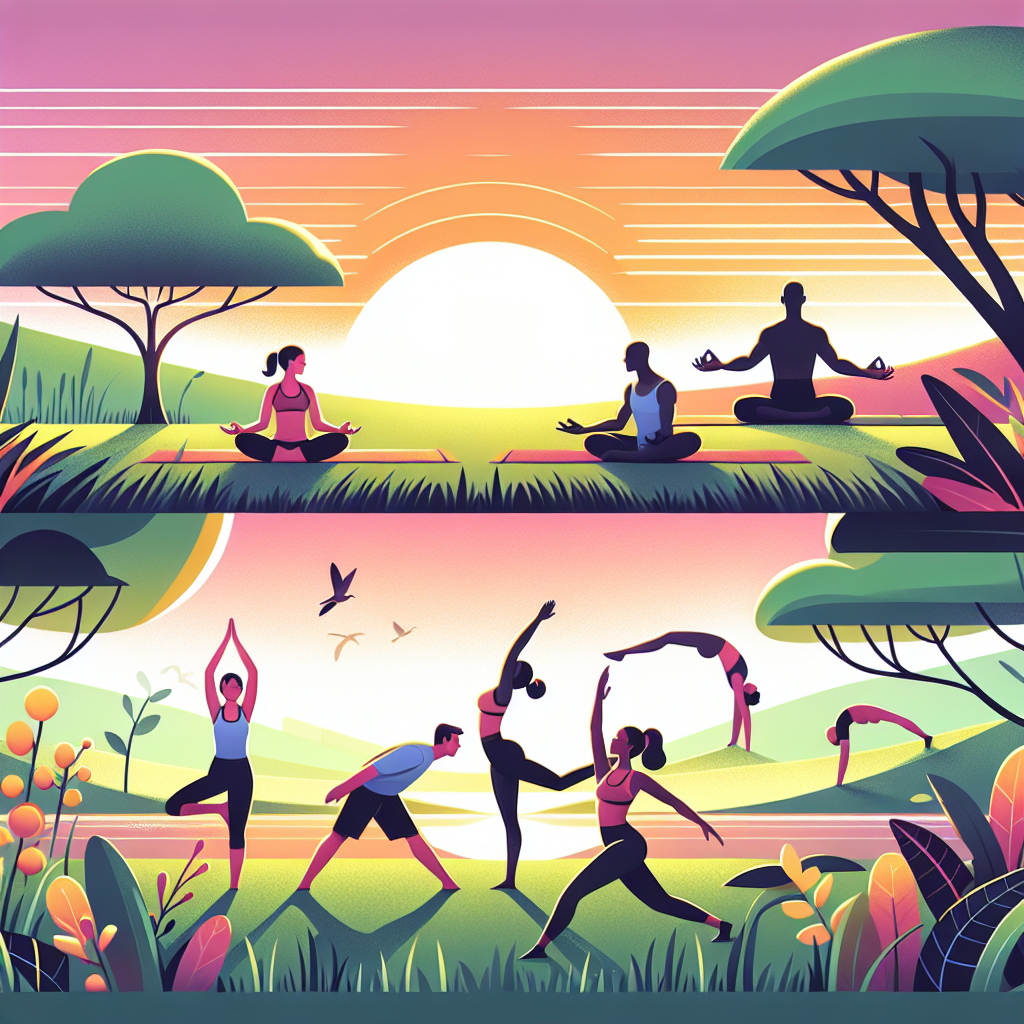
Yoga is a fantastic way to boost both flexibility and strength. Incorporate poses like the Downward Dog, Warrior II, and the Bridge Pose into your routine. Not only will you feel more limber, but you’ll also build muscle endurance. 🧘♀️🙏

4. Resistance Training: Building Muscle Power
Resistance training isn’t just about lifting heavy weights. Using resistance bands or even your own body weight can effectively build muscle strength. Exercises like squats, push-ups, and planks are perfect for enhancing strength. 💪🛠️
5. Pilates: Core Strengthening and Flexibility
Pilates focuses on core strength, flexibility, and muscle control. With exercises like the Hundred or the Roll-Up, you’ll target those deep abdominal muscles, improving your posture and overall strength. 🤸♀️🌈
6. Tai Chi: Movement and Balance
Tai Chi is a gentle form of martial arts that combines slow movements with deep breathing. It’s excellent for improving balance, flexibility, and mental focus. Incorporate Tai Chi into your routine to enhance your mind-body connection. 🍃🧘♂️
7. Functional Exercises: Practical Movements
Functional exercises mimic everyday activities and improve your ability to perform daily tasks. Try exercises like step-ups, lunges, and rotational movements to build strength that you can use outside the gym. 🚴♀️🏋️♀️
8. Foam Rolling: Self-Myofascial Release
Foam rolling helps release muscle tightness and improve blood flow. Spend a few minutes rolling out areas like your back, thighs, and calves to increase flexibility and reduce muscle soreness. 🎯🌀
9. Breathing Exercises: The Unsung Hero
Good breathing techniques can enhance your performance and recovery. Practice deep breathing exercises to improve oxygen flow and reduce stress levels, making your workouts more effective. 🌬️🌟
10. Cool Down: Ending on a Relaxed Note
After a great workout, cooling down is just as important as warming up. It helps your heart rate return to normal and reduces muscle stiffness. Spend a few minutes stretching or practicing mindfulness to end your session on a positive note. 🧘♂️💤
FAQs
Q1: How often should I do these exercises?
A: Aim for at least 2-3 times a week, but listen to your body and adjust based on your fitness level and goals.
Q2: Can I do these exercises at home?
A: Absolutely! Most of these exercises require minimal equipment and can easily be done in the comfort of your home.
Q3: Are these exercises suitable for beginners?
A: Yes, these exercises are designed to be simple and adaptable for all fitness levels. Start slow and gradually increase intensity.
Q4: What should I do if I experience pain during these exercises?
A: Stop immediately and consult with a healthcare professional. It’s important to differentiate between discomfort and pain.
There you have it! Try incorporating these exercises into your routine and watch your flexibility and strength soar to new heights. Remember, consistency is key. Keep moving, stay positive, and enjoy the journey! 🌟💪