
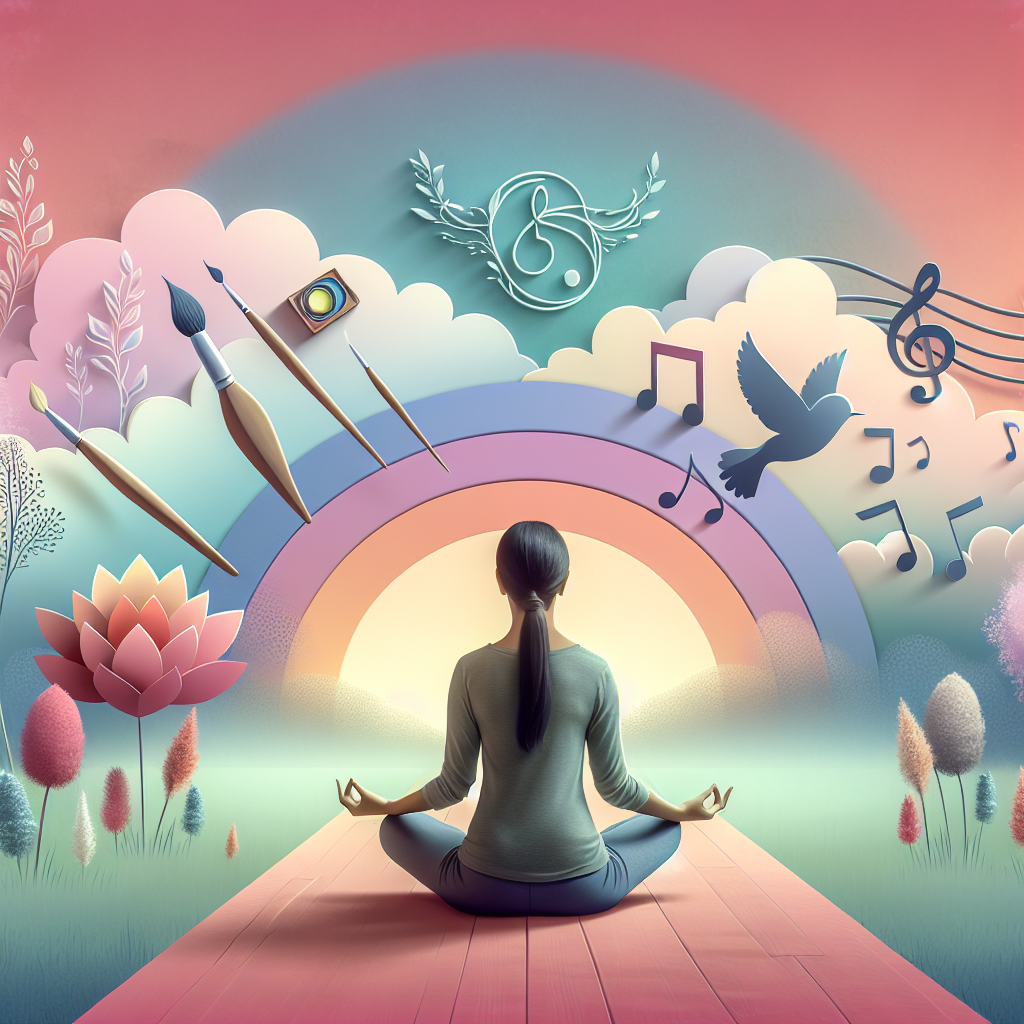
How to Use Art and Creativity as Healing Tools 🎨💖
In a world that often feels chaotic and overwhelming, finding solace in creativity can be a powerful antidote. Whether you’re painting your emotions onto a canvas or expressing your thoughts through poetry, art has the incredible ability to heal. In this blog post, we’ll explore how you can harness the power of art and creativity for your well-being.
Table of Contents
1. Introduction to Art as a Healing Tool
2. The Science Behind Art Therapy 🧠
3. Different Forms of Creative Expression 🎭✍️
4. How to Get Started with Healing Through Art
5. Conclusion: Embrace Your Inner Artist
6. FAQs about Art and Healing
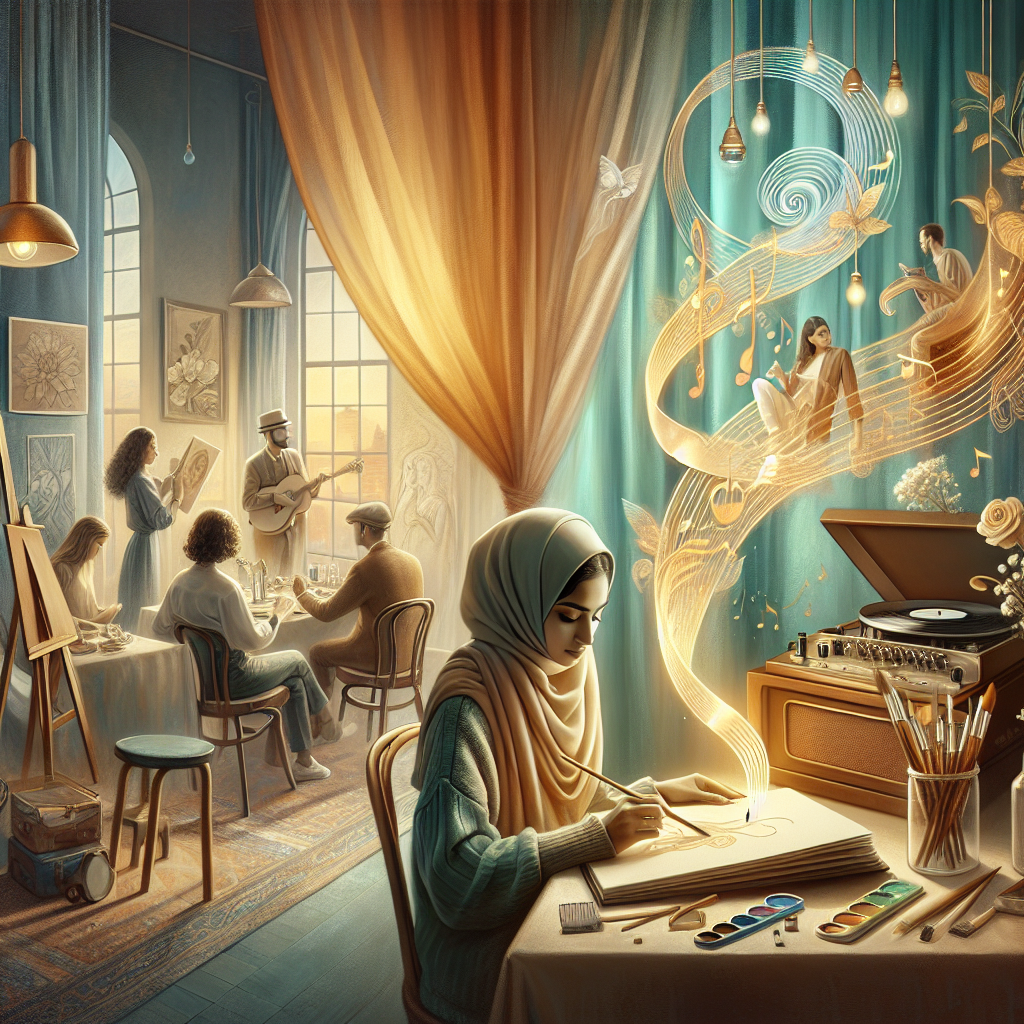
Introduction to Art as a Healing Tool
Art has been used throughout history as a means of expression, communication, and healing. From ancient cave paintings to modern art therapy, the act of creating can be both transformative and therapeutic. The process of creating art allows individuals to explore their emotions, reduce stress, and gain self-awareness.
The Science Behind Art Therapy 🧠
Research shows that engaging in creative activities can significantly boost mental health. According to studies, art therapy can help reduce symptoms of anxiety, depression, and PTSD. The act of creating art can trigger the release of dopamine, a feel-good neurotransmitter that enhances mood and promotes relaxation.
Different Forms of Creative Expression 🎭✍️
Creativity isn’t limited to painting or drawing. Here are a few forms of artistic expression you might consider:
Visual Arts
Painting, drawing, and sculpture allow you to visually express your thoughts and feelings. Don’t worry about creating a masterpiece—focus on the process.
Writing and Poetry
Journaling, storytelling, or penning poetry can provide an outlet for emotions and ideas. Words have the power to heal, inspire, and connect.
Music and Dance
Music can evoke emotions and memories, while dance allows you to express yourself physically. Both forms can be incredibly cathartic.
How to Get Started with Healing Through Art
Starting your journey with art as a healing tool doesn’t have to be daunting. Here are some tips to help you begin:
🎨 Set Aside Time: Dedicate a specific time each week to engage in a creative activity that you enjoy.
🖌️ Create a Safe Space: Find a quiet, comfortable space where you can create without distractions.
✨ Be Open: Allow yourself to explore different forms of art without judgment or expectation.
🎧 Use Music: Play music that inspires you or helps you relax while you create.
📚 Seek Guidance: Consider joining a local art class or therapy group for support and inspiration.
Conclusion: Embrace Your Inner Artist
Whether you’re a seasoned artist or a complete beginner, embracing creativity can offer a path to healing and self-discovery. The key is to enjoy the process and let go of any self-imposed limitations. Remember, art is about expressing who you are, not about perfection.
FAQs about Art and Healing
Q: Can art really help with mental health issues?
A: Absolutely! Art therapy has been shown to decrease symptoms of various mental health conditions by providing a safe outlet for expression.
Q: Do I need to be good at art to benefit from it?
A: Not at all. The therapeutic benefits of art come from the process, not the final product. It’s about expression, not skill.
Q: How often should I engage in creative activities for healing?
A: Consistency is key. Try to engage in some form of creative activity at least once a week to start experiencing the benefits.
Q: Can children also benefit from art therapy?
A: Yes, art therapy is beneficial for people of all ages, including children. It can help them express emotions they might not yet have the words for.
By integrating art into your routine, you open the door to a world of healing possibilities. So, pick up that brush, pen, or instrument, and let your creativity guide you to wellness. 💫