

How to Use Mindful Movement Practices for Healing
In our fast-paced world, finding ways to heal both physically and mentally is more important than ever. Mindful movement practices offer a holistic approach to healing, integrating the mind, body, and spirit. Whether you’re dealing with stress, recovering from an injury, or looking to enhance your overall well-being, mindful movement can be a game-changer. Let’s explore how you can harness these practices for healing.
Table of Contents
1. What is Mindful Movement?
2. Benefits of Mindful Movement
3. Popular Mindful Movement Techniques
4. How to Get Started
5. Conclusion
6. FAQs
What is Mindful Movement? 🤔
Mindful movement involves engaging in physical activity with full awareness of your body, breath, and surroundings. It’s about being present in the moment and allowing your movements to be guided by a sense of mindfulness and intentionality. This practice encourages a deep connection between the mind and body, promoting relaxation and healing.
Benefits of Mindful Movement 🌟
Engaging in mindful movement practices can offer a wealth of benefits:
Physical Healing
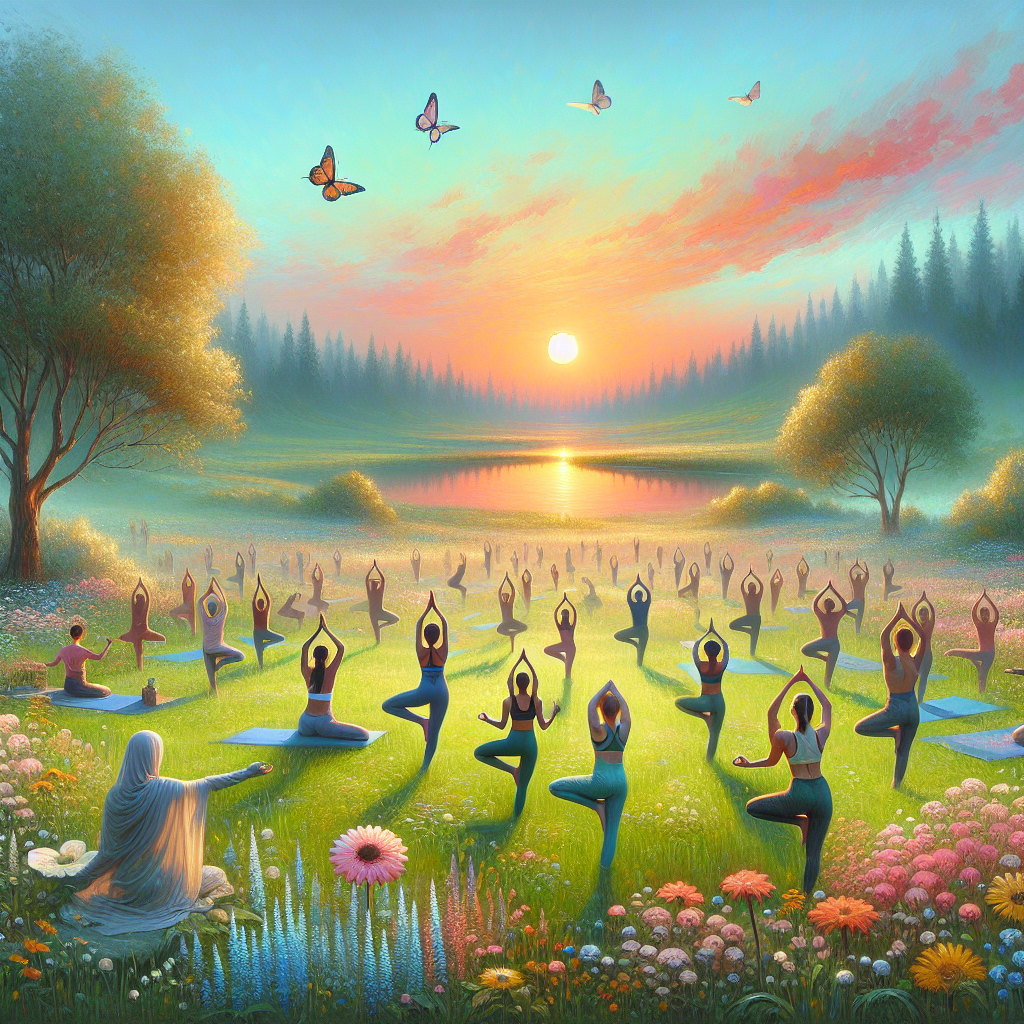
Mindful movement can aid in physical recovery by improving flexibility, enhancing body awareness, and reducing tension. Practices such as yoga and tai chi are gentle on the body, making them suitable for people recovering from injuries or those with chronic pain.
Mental Clarity
By focusing on the present moment, mindful movement helps clear mental clutter, reduce stress, and enhance emotional resilience. This mental clarity contributes significantly to overall mental health.
Emotional Balance
Regular practice can lead to greater emotional balance, helping individuals respond to life’s challenges with calm and poise. Mindful movement encourages the release of endorphins, which can improve mood and promote feelings of happiness.
Popular Mindful Movement Techniques 🧘♀️
Yoga
Yoga combines physical postures, breathing exercises, and meditation. It’s a versatile practice that can range from gentle stretches to vigorous flows, accommodating all levels of fitness and flexibility.
Tai Chi
Often described as meditation in motion, tai chi is a series of slow, flowing movements and rhythmic breathing. It’s particularly beneficial for balance, coordination, and stress reduction.
Qigong
Qigong involves coordinated movements, breathing, and meditation to cultivate and balance vital energy (qi). It’s an excellent practice for enhancing vitality and promoting relaxation.
How to Get Started 🌿
Here are some tips to embark on your mindful movement journey:
Start Small
Begin with short sessions of 10-15 minutes. As you become more comfortable, gradually increase the duration of your practice.
Focus on Your Breath
Breathing is a central element of mindful movement. Pay attention to your breath as it flows in and out, using it as an anchor to bring your mind back to the present moment.
Find a Community
Joining a class or group can provide support and motivation. You can find online classes or local community centers offering sessions that suit your schedule and preferences.
Listen to Your Body
Be gentle with yourself. If a movement feels uncomfortable, modify it or take a break. The goal is to nurture and heal, not to push beyond your limits.
Conclusion 🏁
Mindful movement practices offer a unique path to healing by harmonizing the mind and body. Whether you’re seeking physical recovery, mental clarity, or emotional balance, these practices provide valuable tools for well-being. Remember, the journey to healing is personal, and incorporating mindful movement into your life can lead to profound benefits. So, why not give it a try?
FAQs ❓
What should I wear for mindful movement practices?
Wear comfortable, loose-fitting clothing that allows you to move freely. Breathable fabrics are ideal, especially for practices like yoga and tai chi.
Can I practice mindful movement if I’m not flexible?
Absolutely! Mindful movement is about meeting your body where it is and moving with awareness. Flexibility will improve over time with regular practice.
How often should I practice mindful movement?
Aim for at least 2-3 times a week to start. Consistency is key, so find a routine that fits your lifestyle and gradually increase the frequency as it becomes part of your routine.
Do I need any special equipment?
Most mindful movement practices require minimal equipment. A yoga mat, comfortable attire, and a quiet space are usually sufficient to get started.