
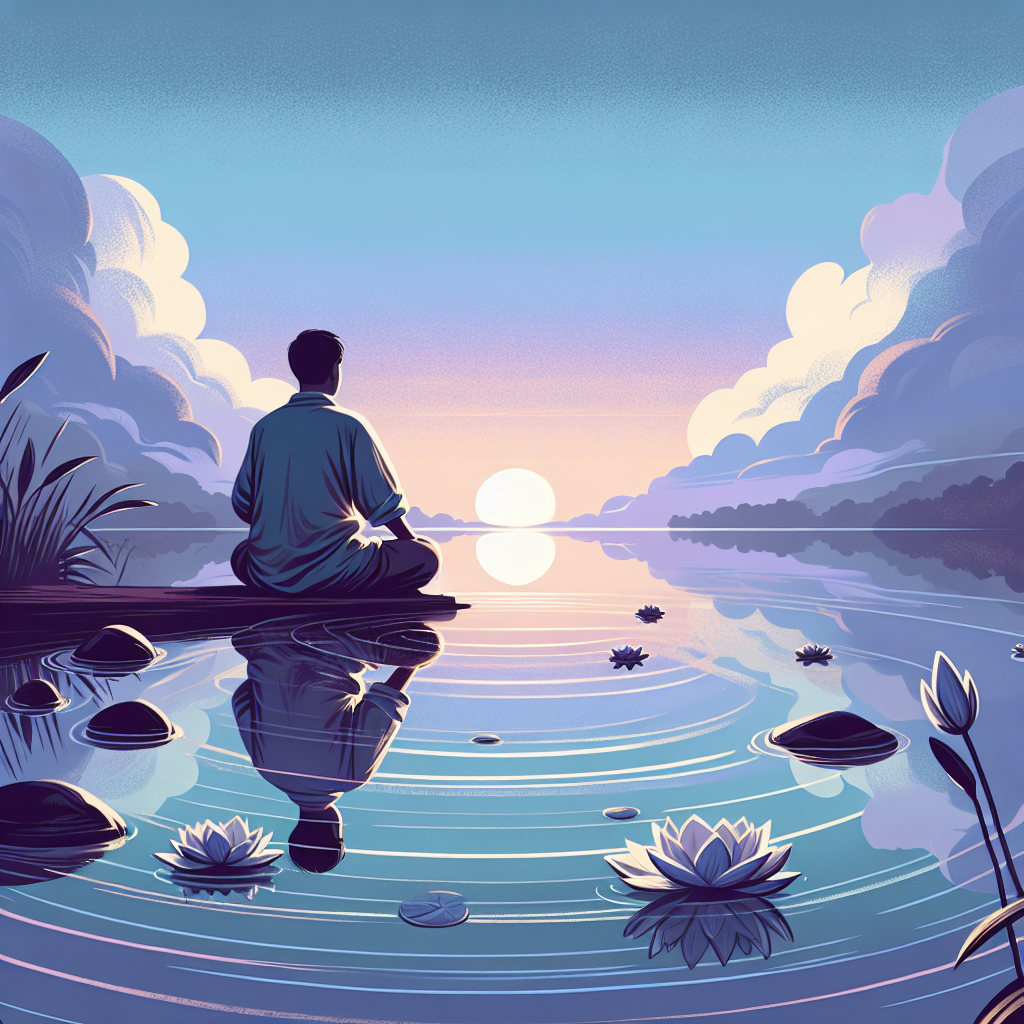
The Importance of Self-Reflection in Emotional Recovery
In a world that moves at lightning speed, taking a moment to pause and reflect can be transformative, especially when you’re on a journey of emotional recovery. Whether you’re healing from a personal loss, a breakup, or any emotional turmoil, self-reflection acts as a guiding light. In this blog post, we’ll dive into why self-reflection is so crucial and how you can incorporate it into your healing process. Let’s get started! 🌟
Table of Contents
1. What is Self-Reflection? 🤔
2. Benefits of Self-Reflection in Emotional Recovery 💪
3. How to Practice Self-Reflection 🧘♂️
4. Overcoming Common Challenges 🚧
5. Conclusion 🎯
6. FAQs ❓
What is Self-Reflection? 🤔
Self-reflection is the process of examining your own thoughts, feelings, and actions. It involves taking a step back to observe and analyze your experiences, helping you understand yourself better. Think of it as having a heart-to-heart conversation with yourself, where honesty and openness are your best friends.
Benefits of Self-Reflection in Emotional Recovery 💪
Engaging in self-reflection can offer numerous benefits, especially during emotional recovery:
1. Increased Self-Awareness: By understanding your emotions and reactions, you become more in tune with your needs and desires.
2. Emotional Regulation: Reflecting on past experiences can help you identify triggers and develop healthier coping strategies.
3. Personal Growth: Self-reflection fosters a deeper understanding of your values and goals, paving the way for personal development.
4. Improved Relationships: By understanding your own emotions, you’re better equipped to empathize with others, enhancing your interpersonal connections.
How to Practice Self-Reflection 🧘♂️
Ready to dive into self-reflection? Here are some practical tips to get you started:
1. Journaling: Write down your thoughts and feelings regularly. Journaling can provide clarity and track your emotional progress.
2. Meditation: Spend a few minutes each day in quiet contemplation. Focus on your breath and allow your thoughts to flow naturally.
3. Ask Yourself Questions: Pose questions like “What am I feeling right now?” or “What can I learn from this experience?” to guide your reflection.
4. Seek Feedback: Sometimes, an outside perspective can offer valuable insights. Talk to a trusted friend or therapist about your experiences.
Overcoming Common Challenges 🚧
While self-reflection is powerful, it can also be challenging. Here are some hurdles you might face and how to overcome them:
1. Fear of Confrontation: It’s natural to avoid uncomfortable truths. Start small, and remind yourself that growth often comes from discomfort.
2. Overthinking: If you find yourself spiraling, set a timer for your reflection sessions to maintain focus and avoid dwelling too long.
3. Lack of Time: Incorporate reflection into your daily routine, even if it’s just a few minutes before bed.
Conclusion 🎯
Self-reflection is more than just a tool for emotional recovery—it’s a lifelong practice that nurtures growth and resilience. By taking the time to reflect on your experiences, you empower yourself to heal and create a more fulfilling life. Remember, it’s a journey, not a destination. Keep reflecting, and you’ll continue to uncover the incredible strength within you. 💪
FAQs ❓
Q1: How often should I practice self-reflection?
A: There’s no set rule, but consistency is key. Try to set aside time for reflection daily or weekly, depending on what feels manageable for you.
Q2: Can self-reflection help with anxiety?
A: Yes, self-reflection can help identify the root causes of anxiety and develop coping strategies to manage it more effectively.
Q3: What if I struggle to be honest with myself?
A: Honesty takes practice. Start by acknowledging your feelings without judgment and remember that self-reflection is a safe space for growth.
Q4: Is self-reflection different from meditation?
A: While both involve introspection, meditation often focuses on mindfulness and presence, whereas self-reflection is more about analyzing thoughts and feelings.
Feeling inspired to start your self-reflection journey? Share your thoughts or questions in the comments below! 📝