
10 Relaxation Techniques for Reducing Recovery-Related Stress
Recovering from an injury, surgery, or even intense exercise can be a stressful journey. The physical demands and mental strain often go hand in hand, leaving many feeling overwhelmed. But don’t worry, I’m here to guide you through some practical and soothing techniques that can help you combat stress during recovery. 😊
Table of Contents
1. Deep Breathing Exercises
2. Progressive Muscle Relaxation
3. Guided Imagery
4. Meditation Practices
5. Gentle Yoga Stretches
6. Aromatherapy Bliss
7. Listening to Soothing Music
8. Journaling for Stress Relief
9. Nature Walks
10. Practicing Gratitude
1. Deep Breathing Exercises 🌬️
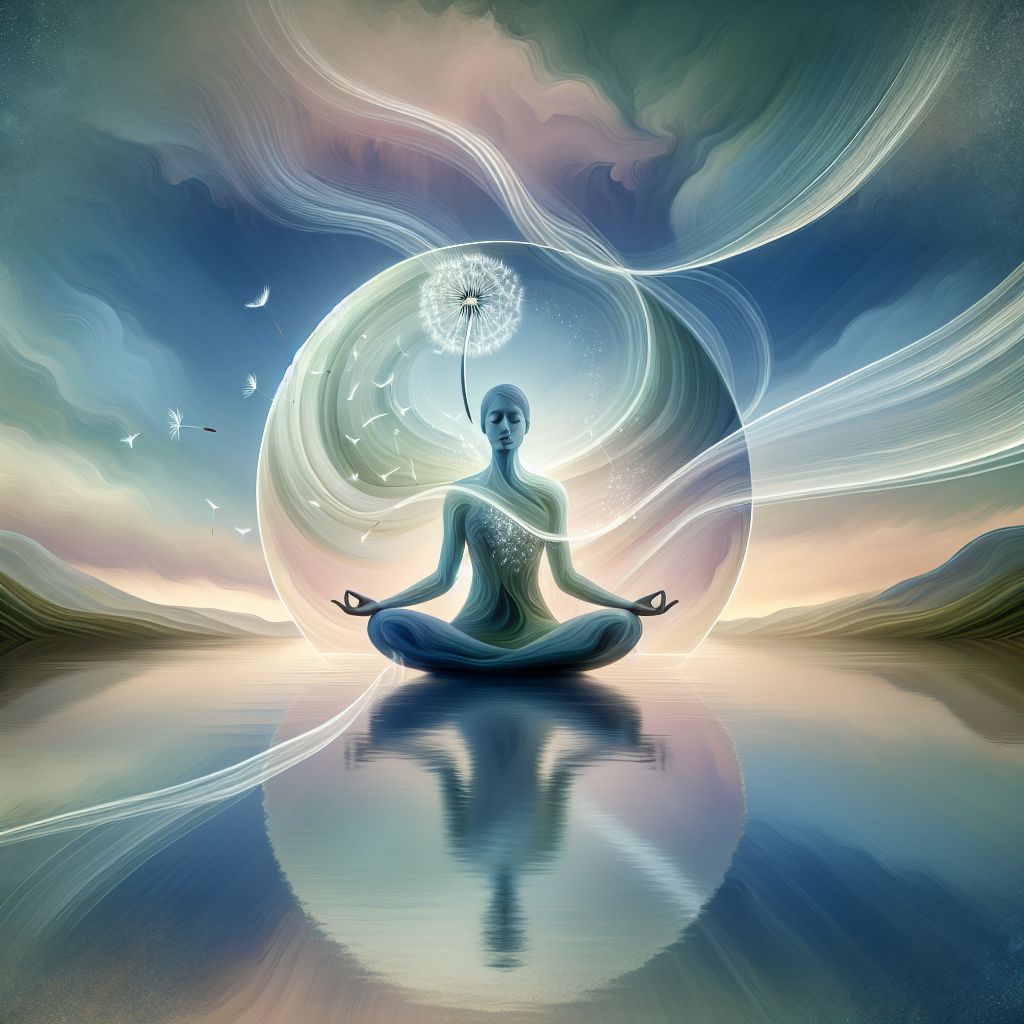
Deep breathing is a simple yet effective way to calm your mind and body. By focusing on your breath, you can lower your heart rate and reduce tension. Try inhaling deeply through your nose, holding for a few seconds, and exhaling slowly through your mouth. Repeat this for a few minutes, and you’ll feel a sense of calm washing over you.
2. Progressive Muscle Relaxation 🧘♂️
This technique involves tensing and then slowly relaxing each muscle group in your body, starting from your toes and working your way up to your head. It helps you become more aware of physical sensations and releases built-up stress.
3. Guided Imagery 🌅
Guided imagery involves visualizing peaceful and calming scenes in your mind. Whether it’s a serene beach or a lush forest, let your imagination take you to a place of tranquility. There are many online resources and apps that can guide you through these visualizations.
4. Meditation Practices 🧘♀️
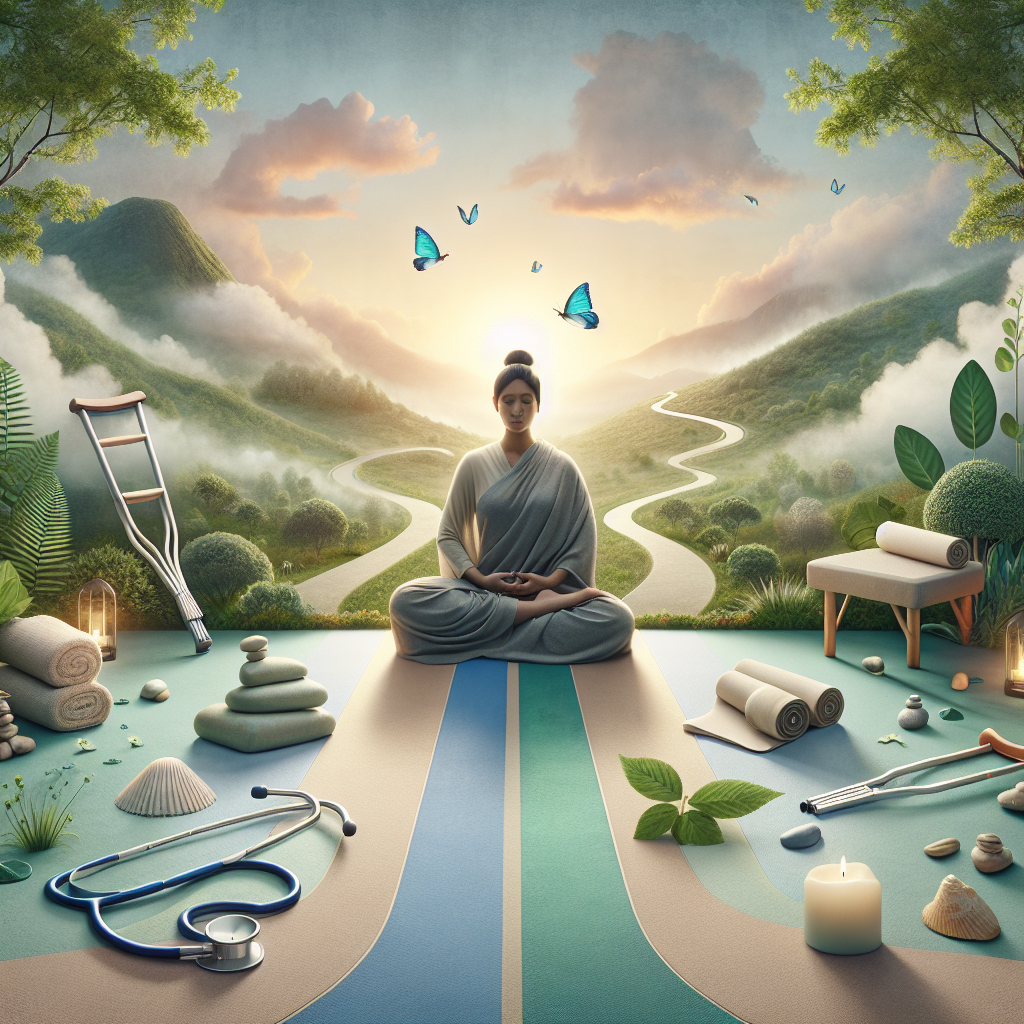
Meditation is a powerful tool for stress reduction. By dedicating just a few minutes a day to meditation, you can significantly improve your mental well-being. Try using apps like Headspace or Calm to get started if you’re new to meditation.
5. Gentle Yoga Stretches 🧎♂️
Yoga combines physical movement with mindfulness, making it an excellent practice for stress relief. Gentle stretches and poses can ease tension in your body and help you feel more grounded. Plus, it’s a great way to improve flexibility during your recovery.
6. Aromatherapy Bliss 🌺
Using essential oils like lavender or chamomile can create a calming atmosphere. Add a few drops to a diffuser or mix them with a carrier oil for a soothing massage. Aromatherapy is a simple yet delightful way to unwind.
7. Listening to Soothing Music 🎶
Music has the power to transport us to different emotional states. Create a playlist of your favorite calming tunes and listen to them whenever you need a mental escape. Music can be a great companion in your recovery journey.
8. Journaling for Stress Relief 📓
Putting your thoughts on paper can be incredibly therapeutic. Write about your feelings, track your recovery progress, or jot down things you’re grateful for. Journaling helps process emotions and brings clarity.
9. Nature Walks 🌳
If your recovery allows, spending time in nature can be rejuvenating. The fresh air and natural surroundings work wonders for stress relief. Even a short walk in a nearby park can lift your spirits and provide a sense of peace.
10. Practicing Gratitude 🙏
Focusing on gratitude shifts your mindset from stress to appreciation. Each day, note down a few things you’re thankful for. This simple practice can help you maintain a positive outlook during challenging times.
Conclusion
Recovery doesn’t have to be a stressful ordeal. By incorporating these relaxation techniques into your routine, you can nurture both your body and mind. Remember, it’s all about finding what works for you and making time for self-care.
FAQs
1. How often should I practice these relaxation techniques?
Try to incorporate at least one or two techniques into your daily routine. Consistency is key to reaping the benefits.
2. Can I do these techniques if I’m bedridden?
Absolutely! Many of these techniques, like deep breathing, guided imagery, and meditation, can be done from the comfort of your bed.
3. What should I do if I don’t see immediate results?
Be patient with yourself. Stress reduction techniques often require regular practice before you notice significant changes. Keep at it, and you’ll likely start feeling more relaxed over time.
4. Are there any relaxation techniques not suitable for everyone?
Always consult with your healthcare provider before starting new practices, especially if you’re recovering from a medical condition or surgery.
5. Can these techniques be combined?
Yes! Feel free to mix and match techniques to find the perfect stress-relief combo that works for you.