
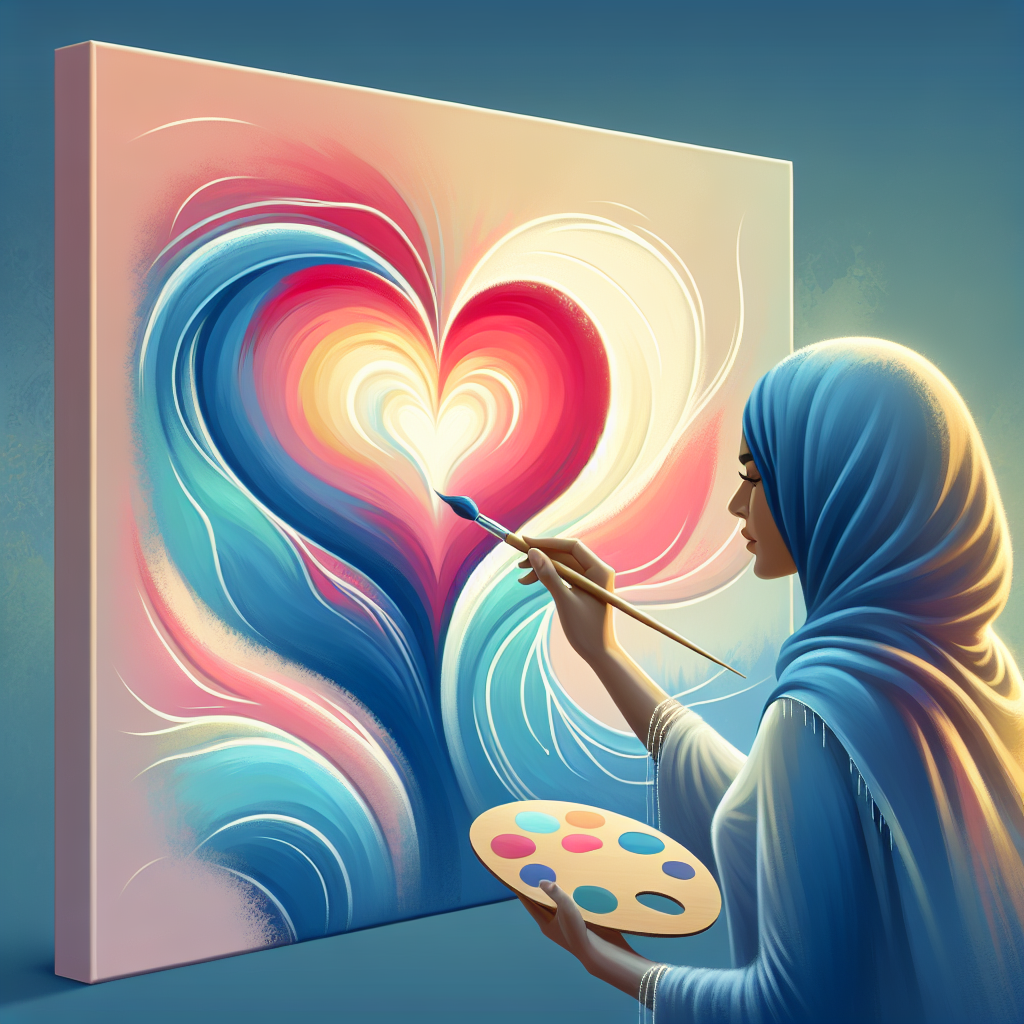
How to Use Visual Arts to Process and Heal Emotional Wounds
Emotional wounds can feel like a heavy burden, clouding our thoughts and emotions. While traditional therapy methods are incredibly valuable, the world of visual arts offers a unique, creative pathway to healing. 🎨 Whether you’re a seasoned artist or someone who hasn’t picked up a paintbrush since childhood, using visual arts can be a powerful tool to process emotions and find peace.
Table of Contents
1. Introduction to Visual Arts and Healing
2. The Science Behind Art Therapy
3. Getting Started: Finding Your Medium
4. Techniques to Express Emotions Through Art
5. Creating a Healing Art Practice
6. Conclusion
7. FAQs
Introduction to Visual Arts and Healing
Visual arts have been used for centuries as a form of expression and communication. Today, they are increasingly recognized as a means of emotional healing. The act of creating art can serve as a mirror, reflecting our inner worlds and offering insights into our emotions. Whether it’s drawing, painting, sculpting, or collage-making, art provides a safe space to explore and express feelings that might be difficult to articulate verbally.
The Science Behind Art Therapy
The therapeutic benefits of art are backed by science. Studies have shown that engaging in creative activities can reduce stress, improve mental clarity, and enhance mood. Art therapy, specifically, uses the creative process to help individuals express themselves, process complex emotions, and develop coping strategies. By translating feelings into visual form, people can gain a new perspective on their experiences, making it easier to work through emotional challenges.
Getting Started: Finding Your Medium
When it comes to art, there’s no one-size-fits-all approach. The key is to find a medium that resonates with you. Here are a few ideas to get you started:
– **Drawing:** Perfect for those who enjoy detail and precision. All you need is a pencil and paper! ✏️
– **Painting:** Offers a vibrant way to express emotions through color and texture. 🎨
– **Collage:** Great for those who like to work with mixed media, combining images and materials to tell a story. 🖼️
– **Sculpting:** Provides a tactile experience, allowing you to shape and mold your feelings into three-dimensional form. 🏺
Techniques to Express Emotions Through Art
Once you’ve chosen your medium, try these techniques to help process your emotions:
– **Color Association:** Use colors that represent your emotions. For example, red for anger or blue for calmness.
– **Symbolic Imagery:** Incorporate symbols that hold personal meaning or relate to your emotional experiences.
– **Mindful Creation:** Focus on the process rather than the outcome. Let your intuition guide you, and don’t worry about perfection.
– **Journaling in Art:** Combine words with images to deepen your understanding of your feelings.
Creating a Healing Art Practice
Consistency is key to reaping the benefits of art as a healing tool. Here are some tips to establish a regular practice:
– **Set Aside Time:** Dedicate a specific time each week for your art practice, creating a routine that you can look forward to.
– **Create a Safe Space:** Designate a comfortable, inspiring area for your art-making, free from distractions.
– **Reflect and Revise:** After creating, take time to reflect on your work. What emotions did it evoke? How did the process make you feel? 📖
– **Share if Comfortable:** If you feel ready, consider sharing your art with a trusted friend or therapist for additional insights and support.
Conclusion
Visual arts offer a beautiful and therapeutic way to process and heal emotional wounds. By engaging in creative expression, you can uncover new insights, release pent-up emotions, and nurture your mental well-being. Remember, it’s not about creating a masterpiece—it’s about the journey of self-discovery and healing. 🌟
FAQs
Q1: Do I need to be good at art to benefit from art therapy?
A1: Absolutely not! Art therapy is about expression, not skill. The therapeutic value lies in the process, not the finished product.
Q2: How often should I engage in art for it to be effective?
A2: Consistency is beneficial. Try to incorporate art into your routine, whether it’s weekly or daily, depending on your schedule and needs.
Q3: Can art therapy replace traditional therapy sessions?
A3: Art therapy is a complementary tool and can be used alongside traditional therapy methods. It offers a different approach to understanding and processing emotions.
Q4: What if I feel stuck or uninspired?
A4: That’s perfectly normal! Try switching mediums, looking at other artists’ works for inspiration, or simply taking a break to refresh your mind.
Q5: Is group art therapy effective?
A5: Yes, group art therapy can be very effective! It provides a sense of community and allows individuals to share experiences and insights with others.