
10 Innovative Ways to Use Technology for Head Injury Reskilling
In a world where technology is advancing at lightning speed, even the most daunting challenges, like reskilling after a head injury, can be approached with innovative solutions. Whether you’re supporting a loved one or finding yourself on this journey, these tech-savvy methods can make the road to recovery smoother and more efficient. Let’s dive into the top 10 innovative ways technology is transforming head injury reskilling. 🚀
Table of Contents
1. Virtual Reality (VR) Simulations
2. Mobile Apps for Cognitive Training 📱
3. Teletherapy Services
4. Brain-Computer Interfaces (BCIs)
5. Online Learning Platforms
6. Wearable Technology for Monitoring 📊
7. Artificial Intelligence (AI) in Personalized Training
8. E-Libraries and Audiobooks
9. Gamified Learning Experiences 🎮
10. Social Media Support Groups
1. Virtual Reality (VR) Simulations
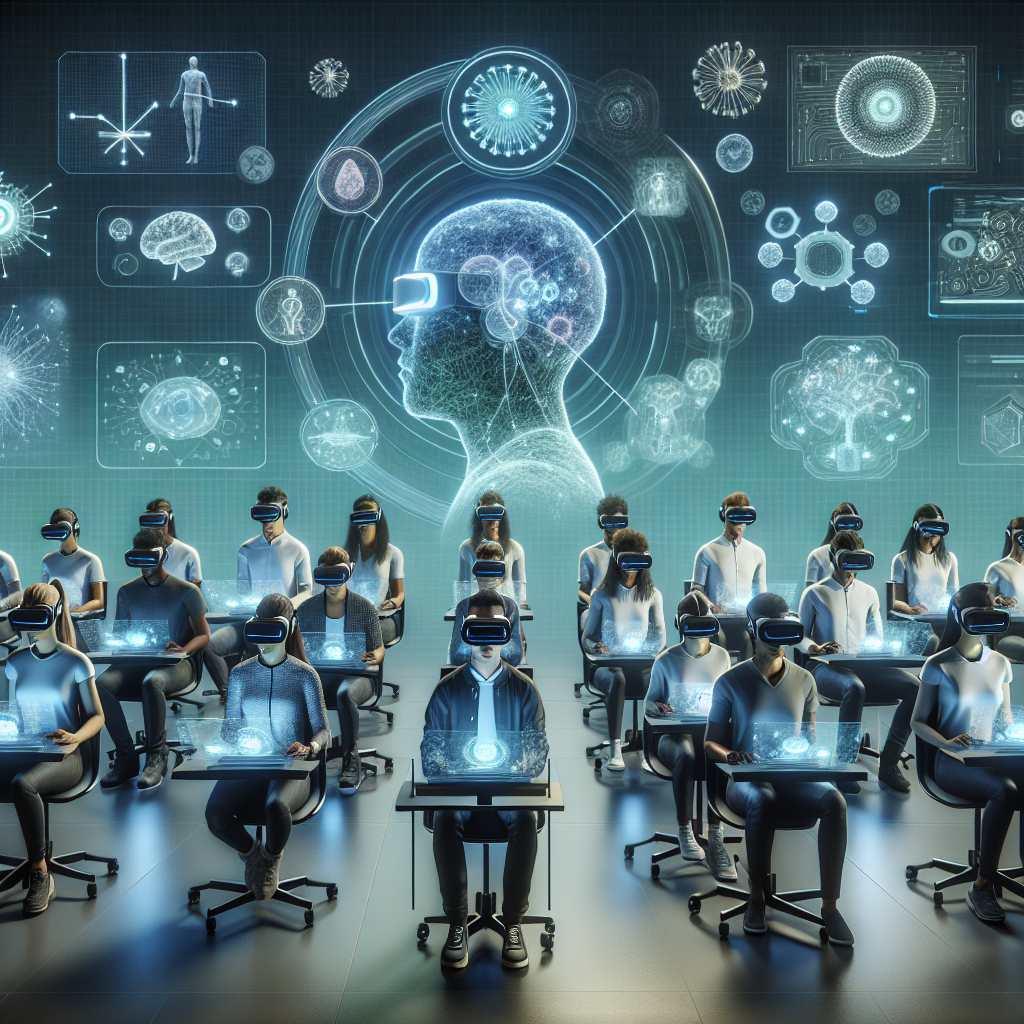
VR is no longer just for gamers! 🌟 It’s being increasingly used in rehabilitation to create immersive environments that help individuals regain cognitive and motor skills. These simulations can mimic real-life scenarios, providing a safe space to practice skills and improve confidence.
2. Mobile Apps for Cognitive Training 📱
With the smartphone revolution, apps like Lumosity and CogniFit are just a tap away. These apps offer brain games designed to enhance memory, attention, and problem-solving skills, making cognitive training both accessible and fun.
3. Teletherapy Services
Access to professional help is crucial, and teletherapy bridges the gap between patients and therapists. Through video calls, individuals can receive personalized therapy sessions from the comfort of their homes, ensuring continuity and convenience.
4. Brain-Computer Interfaces (BCIs)
BCIs are cutting-edge technology that allows users to interact with computers using brain signals. This can be revolutionary for those with severe mobility issues, enabling them to communicate and control devices using thought alone.
5. Online Learning Platforms
Platforms like Coursera, Udemy, and Khan Academy offer a plethora of courses that cater to different interests and skill levels. This can be especially beneficial for those looking to reskill or learn something new post-injury.
6. Wearable Technology for Monitoring 📊
Wearables like smartwatches can track physical activity, sleep patterns, and even heart rates. These insights are invaluable for monitoring recovery progress and adapting rehabilitation strategies as needed.
7. Artificial Intelligence (AI) in Personalized Training
AI is making waves in personalized learning by adapting content based on the user’s progress and preferences. This ensures that the training is both effective and engaging, keeping motivation levels high.
8. E-Libraries and Audiobooks
Reading might be challenging post-injury, but audiobooks and e-libraries open up a world of knowledge with just a click. Listening to books can be a great way to engage with content without the strain of reading.
9. Gamified Learning Experiences 🎮
Turning learning into a game can significantly increase engagement and retention. Platforms that incorporate quizzes, levels, and rewards make the learning process enjoyable and less daunting.
10. Social Media Support Groups
Connecting with others who have faced similar challenges can provide emotional support and practical advice. Social media platforms host numerous groups where individuals can share experiences and tips, fostering a sense of community.
Conclusion
Reskilling after a head injury may seem overwhelming, but with the help of technology, it becomes a journey of empowerment and growth. By leveraging these innovative tools, individuals can rebuild their skills and regain independence. Remember, the key is to be patient and persistent. 🌈
FAQs
Q1: How effective is VR in rehabilitation?
A: VR has shown promising results in rehabilitation by providing realistic and controlled environments for practicing skills, thus boosting confidence and improving outcomes.
Q2: What mobile apps are best for cognitive training?
A: Apps like Lumosity, CogniFit, and Elevate are popular choices for cognitive training, offering a variety of brain games designed to enhance different cognitive skills.
Q3: Can wearable technology really aid in recovery?
A: Yes, wearables provide continuous health monitoring, offering valuable data that can help tailor rehabilitation strategies and track progress effectively.
Q4: Are online learning platforms suitable for all skill levels?
A: Absolutely! Platforms like Coursera and Udemy offer courses ranging from beginner to advanced levels, making them suitable for anyone looking to acquire new skills.
Q5: How can I find social media support groups for head injury recovery?
A: Search for groups on platforms like Facebook or Reddit using keywords related to head injury recovery and join communities that resonate with your experiences.