
10 Ways to Engage in Community Service for Emotional Recovery
In a world that often feels overwhelming, community service can be a powerful balm for emotional recovery. By helping others, we often find solace and healing within ourselves. Whether you’re looking to step out of a challenging period or simply want to give back, community service offers a path to emotional renewal. Let’s dive into ten meaningful ways you can engage with your community and find emotional comfort and growth. 🌟
Table of Contents
1. Volunteer at a Local Shelter 🏠
2. Participate in Environmental Clean-Ups 🌿
3. Mentor a Child or Teen 👦👧
4. Offer Your Skills Pro Bono 🎨
5. Organize a Fundraiser for a Cause 💰
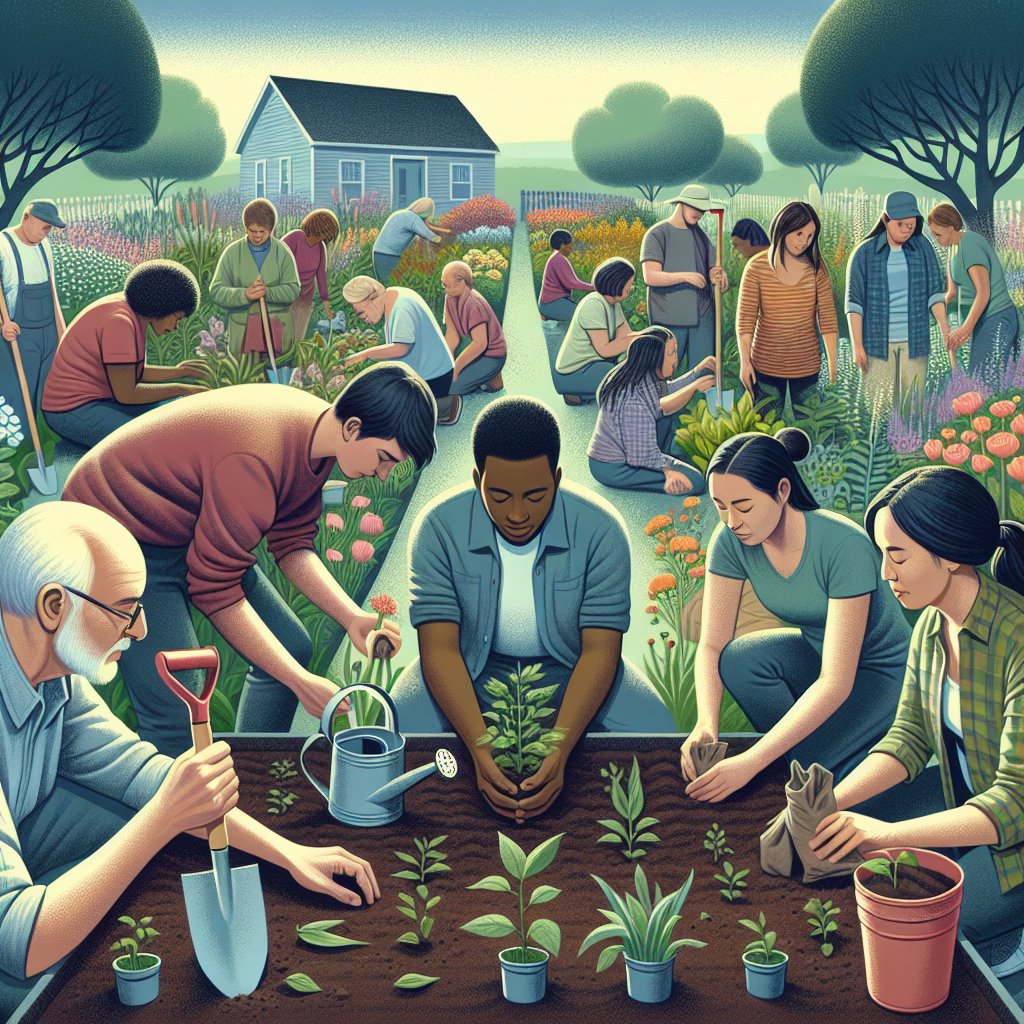
6. Join a Community Garden 🌻
7. Support Local Food Banks 🍎
8. Run Errands for the Elderly 👵
9. Get Involved with Animal Rescue 🐾
10. Start a Support Group 🤝
1. Volunteer at a Local Shelter 🏠
Volunteering at a local shelter is a direct way to make a difference. Whether it’s a homeless shelter, a women’s refuge, or a youth center, your time and compassion can bring hope to those in need. Plus, the act of giving can foster gratitude and perspective, aiding in your emotional recovery.

2. Participate in Environmental Clean-Ups 🌿
Connecting with nature is healing, and there’s no better way to do this than by participating in environmental clean-ups. Whether it’s a beach, park, or neighborhood cleanup, you’ll be playing a part in preserving the beauty of your surroundings while meeting like-minded people.
3. Mentor a Child or Teen 👦👧
Becoming a mentor can be incredibly rewarding. By guiding a young person, you not only help them navigate their challenges but also gain perspective on your own life. Programs like Big Brothers Big Sisters offer structured ways to get involved.

4. Offer Your Skills Pro Bono 🎨
If you have a skill or talent, offering it pro bono can have a significant impact. Whether you’re a graphic designer, a writer, or a chef, there are countless non-profits and start-ups that could benefit from your expertise.
5. Organize a Fundraiser for a Cause 💰
Organizing a fundraiser can be a great way to support a cause you’re passionate about. Not only does it help financially, but it also raises awareness. Plus, the organizational process is a great way to focus your energy productively.
6. Join a Community Garden 🌻
Community gardens are wonderful for both the environment and personal well-being. They provide a space for reflection, connection, and growth—both for plants and people. Gardening is known to reduce stress and increase happiness.
7. Support Local Food Banks 🍎
Food banks are always in need of volunteers to sort donations, pack food, and distribute meals. Your contribution ensures that families in need have access to nutritious food, and seeing the immediate impact can be incredibly fulfilling.
8. Run Errands for the Elderly 👵
Helping elderly neighbors or those with limited mobility by running errands or simply spending time with them can make a big difference in their lives. It’s a simple act that brings joy to both parties involved.
9. Get Involved with Animal Rescue 🐾
Animals have a unique way of bringing comfort and healing. Volunteering at an animal shelter or fostering pets can provide companionship and a sense of purpose, especially during times of emotional distress.
10. Start a Support Group 🤝
If you’re feeling alone in your struggles, starting a support group can not only help you but also others who are feeling the same way. It can be focused on anything from mental health to grief support, offering a safe space for shared experiences.
Conclusion
Engaging in community service is a profound way to heal emotionally while bringing positive change to those around you. Whether through direct interaction or behind-the-scenes efforts, your contributions matter. Remember, the road to recovery is often paved with acts of kindness—both given and received. ❤️
FAQs
Q: How do I find local volunteer opportunities?
A: Websites like VolunteerMatch and Idealist can help you find local opportunities. Additionally, reaching out to community centers or local non-profits directly can be a great way to get involved.
Q: What if I don’t have a lot of time to volunteer?
A: Volunteering doesn’t have to be a big time commitment. Even a few hours a month can make a difference. Consider starting with small, manageable activities that fit into your schedule.
Q: How can volunteering help with emotional recovery?
A: Volunteering can improve emotional well-being by providing a sense of purpose, reducing stress, and increasing feelings of gratitude and connection. It helps shift focus from personal struggles to the collective good.
Q: Is it okay to volunteer while dealing with personal challenges?
A: Absolutely. Volunteering can be a therapeutic way to cope with personal challenges. However, ensure you’re not overextending yourself and that the activities you choose support your recovery journey.
Q: What skills do I need to volunteer?
A: Many volunteer opportunities require no special skills, just a willingness to help and learn. However, leveraging specific skills you already have can enhance your impact and personal satisfaction.