How to Use Light Exercise to Boost Mood and Energy ✨
Table of Contents 📋
• The Science Behind Exercise and Mood
• Best Light Exercises for Energy Boost
• Creating Your Personal Movement Routine
• Timing Your Workouts for Maximum Benefits
• Overcoming Common Barriers
• Making It Stick: Building Sustainable Habits
• Frequently Asked Questions
Introduction: Your Natural Energy Booster Awaits 🌟
Ever notice how a simple walk around the block can completely shift your day? You’re not imagining it – there’s real science behind why light exercise works like magic for our mood and energy levels. I’ve been there too: staring at my computer screen at 3 PM, feeling like I’m running on empty, when a quick stretch session suddenly brings me back to life.

The beauty of light exercise isn’t that you need to become a fitness fanatic or spend hours at the gym. Instead, it’s about discovering gentle, enjoyable movements that naturally lift your spirits and recharge your batteries. Let’s explore how you can harness this powerful (and free!) mood booster in your daily life.
The Science Behind Exercise and Mood 🧠
When you move your body, even gently, something amazing happens in your brain. Your body releases endorphins – those feel-good chemicals often called “nature’s antidepressants.” But that’s just the beginning of the story.
Light exercise also increases blood flow to your brain, delivering fresh oxygen and nutrients that help you think more clearly. It reduces cortisol (your stress hormone) while boosting serotonin and dopamine – the neurotransmitters responsible for happiness and motivation. Think of it as giving your brain a refreshing shower from the inside out.
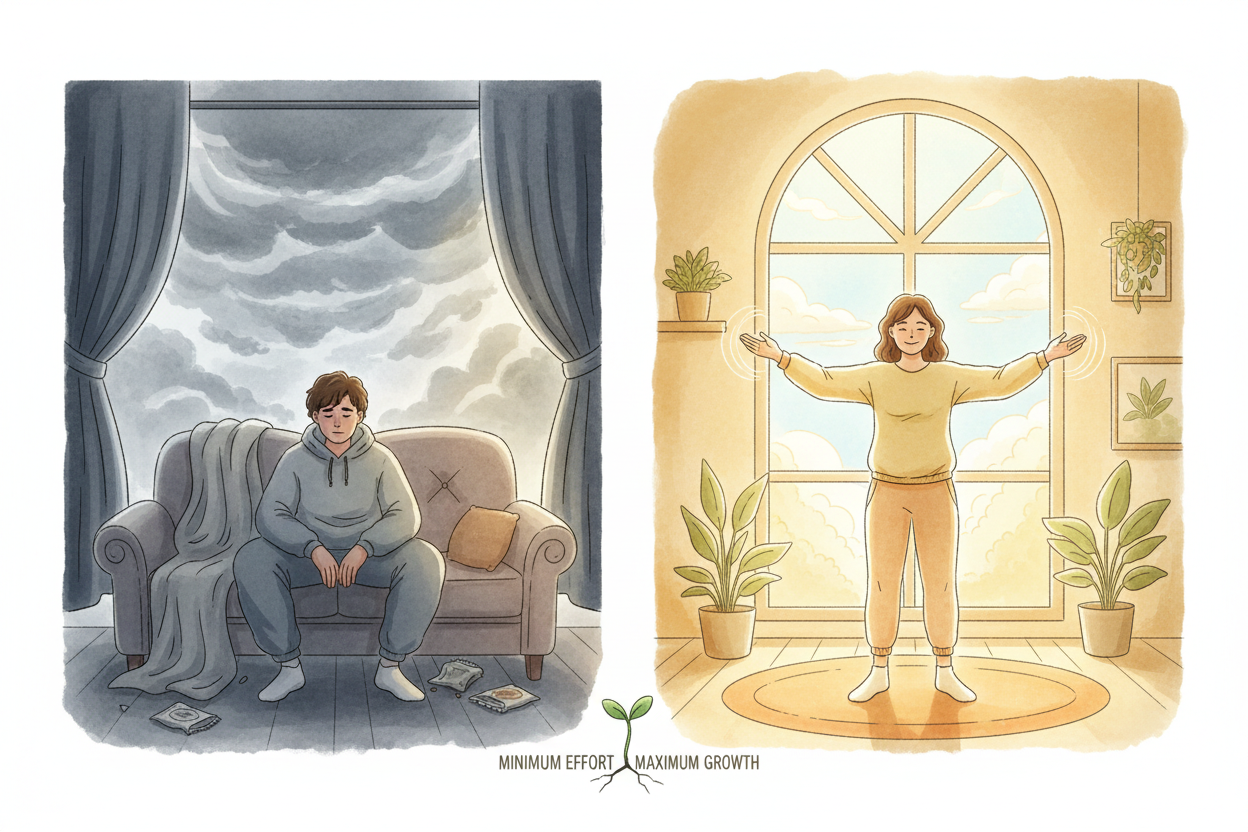
Research consistently shows that even 10-15 minutes of gentle movement can improve mood for up to 12 hours. That’s a pretty incredible return on investment, don’t you think?
Best Light Exercises for Energy Boost 💪
The key word here is “light” – we’re not talking about intense workouts that leave you exhausted. Instead, these activities should energize and uplift you:
Walking: The Ultimate Mood Medicine 🚶♀️
A brisk 10-20 minute walk is perhaps the most accessible mood booster available. Whether it’s around your neighborhood, through a park, or even just up and down some stairs, walking gets your blood pumping without overwhelming your system. I love taking walking meetings when possible – it’s amazing how creative solutions seem to flow more easily when I’m moving.
Gentle Stretching and Yoga 🧘♂️
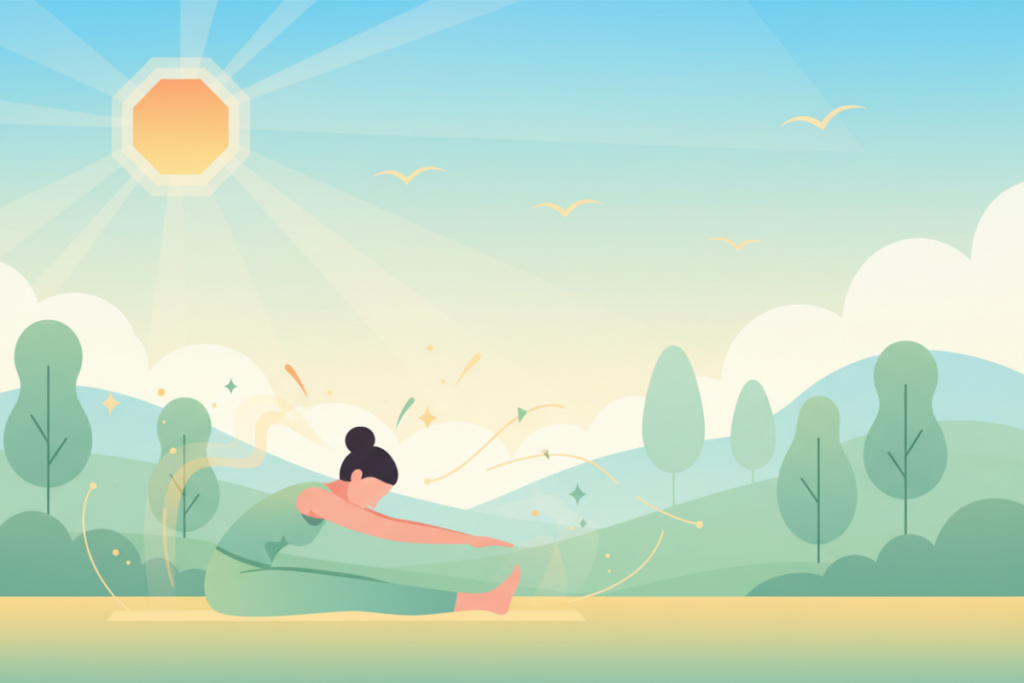
Stretching releases physical tension while calming your mind. Simple neck rolls, shoulder shrugs, or a few yoga poses like cat-cow stretches can work wonders. The combination of movement and mindful breathing creates a powerful reset button for your energy levels.
Dancing: Joy in Motion 💃
Put on your favorite song and just move! Dancing combines cardio with pure fun, making it one of the most effective mood boosters. Even a 5-minute kitchen dance party can transform your entire afternoon.
Bodyweight Exercises 🏋️♀️
Simple movements like wall push-ups, gentle squats, or marching in place can activate your muscles and get your heart rate up just enough to trigger those mood-boosting benefits.
Creating Your Personal Movement Routine ⭐
The best exercise routine is the one you’ll actually do. Start by asking yourself: What movements feel good to my body? When do I typically feel low energy? What fits realistically into my schedule?
I recommend starting with just 5-10 minutes daily. You might try morning stretches to wake up your body, a midday walk to combat the afternoon slump, or gentle evening yoga to unwind. The goal is consistency, not intensity.
Consider your environment too. If you work from home, keep resistance bands nearby for quick movement breaks. If you’re in an office, identify stairs you can climb or a nearby area where you can take short walks.
Timing Your Workouts for Maximum Benefits ⏰
While any movement is beneficial, timing can amplify the effects:
Morning Movement: Helps wake up your body and sets a positive tone for the day. Even 5 minutes of stretching can make you feel more alert and optimistic.
Midday Breaks: Perfect for combating the post-lunch energy dip. A 10-15 minute walk or stretch session can restore your focus and motivation for the afternoon.
Evening Wind-Down: Gentle movements like restorative yoga or easy stretching can help transition your body from the stress of the day to relaxation mode.
Pay attention to your natural energy patterns and experiment to find what works best for you. Some people are energized by morning movement, while others prefer afternoon activity.
Overcoming Common Barriers 🚧
Let’s be honest – even light exercise can feel challenging when you’re stressed, tired, or overwhelmed. Here are strategies for the most common obstacles:
“I don’t have time”: Start with just 2-3 minutes. Seriously! March in place while your coffee brews, or do some stretches while watching TV. Small moments add up.
“I’m too tired”: This is when light movement can help most. Start with the gentlest option – maybe just some deep breathing with arm circles. Often, you’ll find energy returning as you move.
“I feel self-conscious”: Remember, this is about feeling good, not looking perfect. Start in private spaces where you feel comfortable. Your bedroom, living room, or even your office can become your movement sanctuary.
“I forget”: Set gentle reminders on your phone or link movement to existing habits. For example, stretch after every bathroom break or walk after each meal.
Making It Stick: Building Sustainable Habits 🌱
The magic happens when light exercise becomes a natural part of your routine. Here’s how to make it stick:
Start ridiculously small. I mean it – if you can only commit to 30 seconds of movement, start there. Success breeds success, and you can always build up gradually.
Link movement to existing habits. Maybe you always stretch while your morning coffee brews, or take a short walk after lunch. This “habit stacking” makes new behaviors more automatic.
Focus on how you feel, not what you accomplish. Notice the energy boost, the mood lift, the clearer thinking. These positive feelings will motivate you to continue far more than any external goal.
Be flexible and kind to yourself. Some days you’ll move for 20 minutes, other days maybe just 2. Both count, and both contribute to your overall well-being.
Conclusion: Your Journey to Better Energy Starts Now 🌈
Light exercise isn’t about perfection or dramatic transformations – it’s about giving yourself small, consistent gifts of energy and joy throughout your day. Whether it’s a gentle morning stretch, a midday walk, or an evening dance session, these moments of movement can become powerful tools for managing your mood and energy.
Remember, you don’t need special equipment, a gym membership, or hours of free time. You just need a willingness to move your body gently and notice how good it makes you feel. Start today, start small, and be amazed at how these little moments of movement can brighten your entire day.
Your future, more energized self is cheering you on! 🎉
Frequently Asked Questions ❓
How quickly will I notice mood and energy improvements from light exercise?
Many people notice immediate benefits – even during the activity itself! You might feel more alert and positive within minutes of starting to move. For longer-lasting effects, most people see improvements in overall mood and energy levels within a few days to a week of consistent light exercise.
What if I have physical limitations or chronic pain?
Light exercise can often be adapted for various physical conditions, but it’s important to consult with your healthcare provider first. Many gentle movements like seated stretches, arm circles, or modified yoga poses can provide benefits even with limitations. The key is finding what feels good and safe for your body.
Is it better to exercise indoors or outdoors for mood benefits?
Both have advantages! Outdoor exercise provides the additional benefit of fresh air, natural light, and connection with nature, which can enhance mood effects. However, indoor exercise is more convenient and weather-independent. The most important thing is choosing what you’ll actually do consistently.
How do I stay motivated when I don’t feel like exercising?
Start with the absolute minimum – maybe just standing up and doing a few arm circles. Often, beginning the movement breaks the resistance. Also, remember that you’re not trying to achieve a perfect workout; you’re just giving yourself a small gift of movement. Focus on how you’ll feel afterward rather than the effort required to start.
Can light exercise really help with anxiety and stress?
Absolutely! Light exercise is one of the most effective natural stress relievers. It helps burn off stress hormones like cortisol while releasing calming endorphins. The rhythmic nature of activities like walking or gentle stretching can also activate your body’s relaxation response. Many people find that even a few minutes of movement helps them feel more centered and calm.