
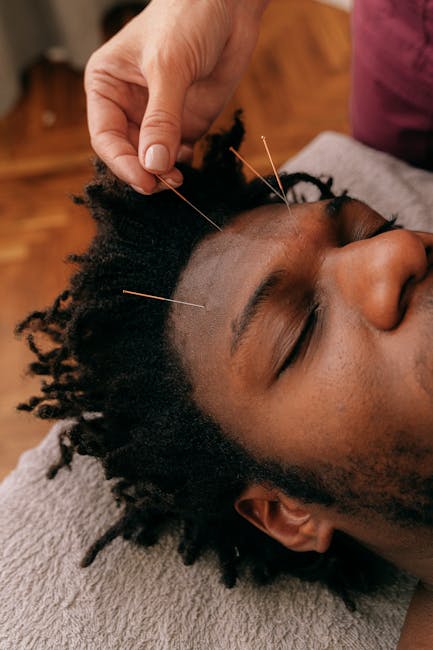
The Role of Acupuncture in Accelerating the Healing Process
Have you ever considered acupuncture as a means to boost your recovery process? 🌿 Whether you’re dealing with chronic pain, stress, or simply seeking to enhance your overall health, acupuncture might just be the ancient remedy that fits into your modern lifestyle. Let’s dive deep into how this traditional Chinese medicine can speed up healing and improve well-being.
Table of Contents
1. Introduction to Acupuncture
2. How Does Acupuncture Work?
3. Acupuncture and Pain Relief
4. Boosting the Immune System with Acupuncture
5. Acupuncture for Stress and Mental Well-being
6. Conclusion
7. FAQs
Introduction to Acupuncture
Acupuncture, a cornerstone of traditional Chinese medicine, has been practiced for thousands of years. But what exactly is it? 🤔 In essence, it involves inserting thin needles into specific points on the body to balance energy, known as “Qi” (pronounced “chee”). This practice is believed to restore health and wellness by promoting the body’s natural healing abilities.
How Does Acupuncture Work?
At first glance, the idea of needles might seem intimidating. However, acupuncture is a minimally invasive approach that stimulates nerve-rich areas of the skin surface to influence tissues, glands, organs, and various functions of the body. 🌀 The stimulation boosts blood circulation, enhances the body’s healing mechanisms, and releases natural painkillers like endorphins.
Acupuncture and Pain Relief
Pain relief is one of the most common reasons people seek acupuncture. Whether it’s chronic back pain, arthritis, or migraines, acupuncture has been shown to reduce discomfort effectively. The needles stimulate nerves that signal the brain to release feel-good hormones and reduce inflammation. 💆♀️ This natural pain management option can be a game-changer for those seeking alternatives to pharmaceuticals.
Boosting the Immune System with Acupuncture
Interestingly, acupuncture can also give your immune system a much-needed boost. By promoting the flow of Qi, acupuncture enhances the body’s ability to fight off pathogens. 🦠 Regular sessions can help increase white blood cell count, making your immune response more robust. This is particularly beneficial during cold and flu seasons or for individuals with autoimmune conditions.
Acupuncture for Stress and Mental Well-being
In our fast-paced world, stress and anxiety are all too common. Acupuncture provides a holistic approach to mental health by reducing stress hormones and promoting relaxation. 🧘♂️ The calming effects of acupuncture can lead to improved sleep, reduced anxiety, and an overall sense of well-being. Many people find they leave sessions feeling more balanced and centered.
Conclusion
Acupuncture is more than just an alternative therapy; it’s a complementary practice that can accelerate healing and improve your quality of life. Whether you’re new to acupuncture or a seasoned believer, its benefits for pain relief, immune support, and stress reduction are well worth exploring. So, why not give it a try and experience the healing touch of this ancient art? 🌟
FAQs
1. Does acupuncture hurt?
Most people report minimal to no pain during acupuncture. The needles are very thin, and any sensation is typically mild and brief.
2. How often should I get acupuncture?
The frequency varies by individual needs. Some may benefit from weekly sessions, while others might find monthly visits sufficient.
3. Can acupuncture help with insomnia?
Yes, acupuncture can be effective for improving sleep quality by reducing stress and balancing hormones that affect sleep patterns.
4. Is acupuncture safe for everyone?
Generally, acupuncture is safe for most individuals. However, it’s important to consult with a qualified practitioner, especially if you have specific health concerns.
5. How soon can I expect results from acupuncture?
While some people feel immediate benefits, others might require a few sessions to notice significant changes. Consistency is key for optimal results.