
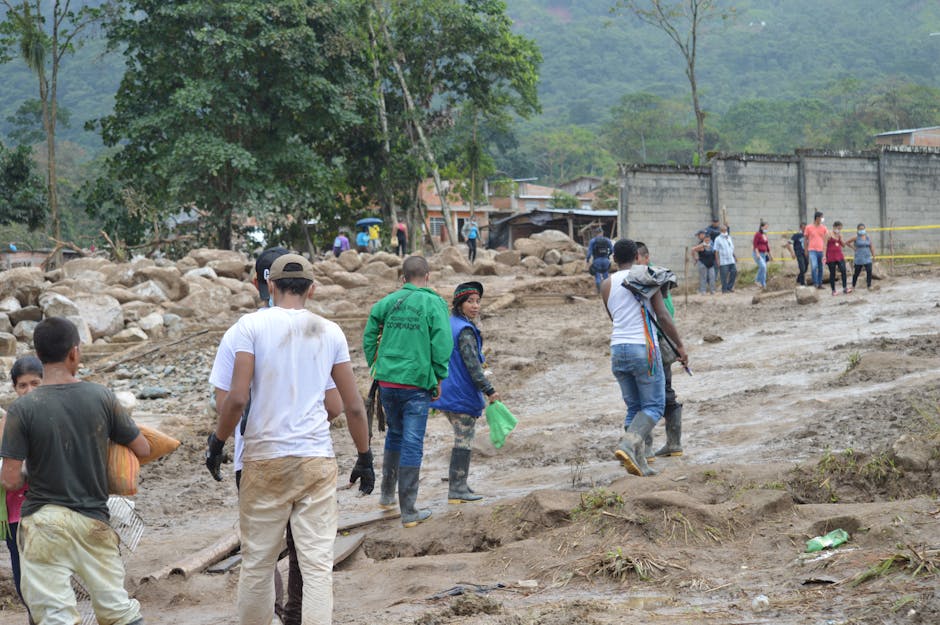
The Role of Community Volunteers in Supporting Injury Recovery
Injuries can be a challenging hurdle, both physically and emotionally. But amidst the struggle, there’s a silver lining: community volunteers. These unsung heroes play a crucial role in recovery journeys, offering support, companionship, and a helping hand. Let’s dive into how community volunteers make a difference and why their involvement is vital for successful recovery.
Table of Contents
1. The Importance of Community Volunteers
2. Ways Volunteers Support Recovery
3. Real Stories, Real Impact
4. How to Get Involved
5. Conclusion
6. FAQs
The Importance of Community Volunteers 🤝
Community volunteers are the backbone of many recovery processes. They provide the much-needed human touch, offering emotional support and practical help. Whether it’s accompanying someone to a medical appointment or simply lending a listening ear, their presence can significantly improve the recovery experience.
Ways Volunteers Support Recovery 💪
Volunteers contribute in numerous ways, making each step towards recovery a bit easier:
1. Emotional Support
Having someone to talk to can make all the difference. Volunteers often become confidants, providing a safe space for individuals to express their feelings and fears.
2. Physical Assistance
From helping with daily chores to providing transportation, volunteers ensure that the physical demands of recovery don’t become overwhelming.
3. Social Interaction
Isolation can be a major issue during injury recovery. Volunteers provide social interaction, helping to combat loneliness and keep spirits high.
Real Stories, Real Impact 🌟
Meet Sarah, a community volunteer who has been helping injury patients for over five years. She recalls, “I met John, a young athlete recovering from a knee injury. Through weekly visits, we developed a friendship that motivated him to stay positive and committed to his recovery plan.”
Stories like Sarah’s highlight the incredible impact volunteers can have, not just on recovery outcomes but on overall well-being.
How to Get Involved 🤗
If you’re inspired to make a difference, here’s how you can get started:
1. Contact Local Organizations
Reach out to hospitals, rehabilitation centers, or local non-profits that focus on injury recovery. They often have volunteer programs in place.
2. Offer Your Skills
Think about what you can offer. Are you good at listening, or do you have a knack for organizing? Every skill can be valuable.
3. Spread the Word
Encourage others to volunteer. The more people involved, the more support there is for those in need.
Conclusion
Community volunteers are a vital part of the injury recovery process, providing support that goes beyond medical treatment. By offering their time, skills, and compassion, they help transform daunting recovery journeys into manageable and hopeful experiences.
FAQs 🤔
1. How can I become a community volunteer?
Start by contacting local hospitals or rehabilitation centers to inquire about their volunteer programs. They can guide you on the steps to get involved.
2. What skills do I need to volunteer?
While specific skills can be helpful, the most important qualities are empathy, patience, and a willingness to help.
3. Can volunteering help my own well-being?
Absolutely! Volunteering can be incredibly rewarding, providing a sense of purpose and community while enhancing your own emotional well-being.
By supporting injury recovery as a community volunteer, you’re not just helping others—you’re enriching your own life, too. 🌈