
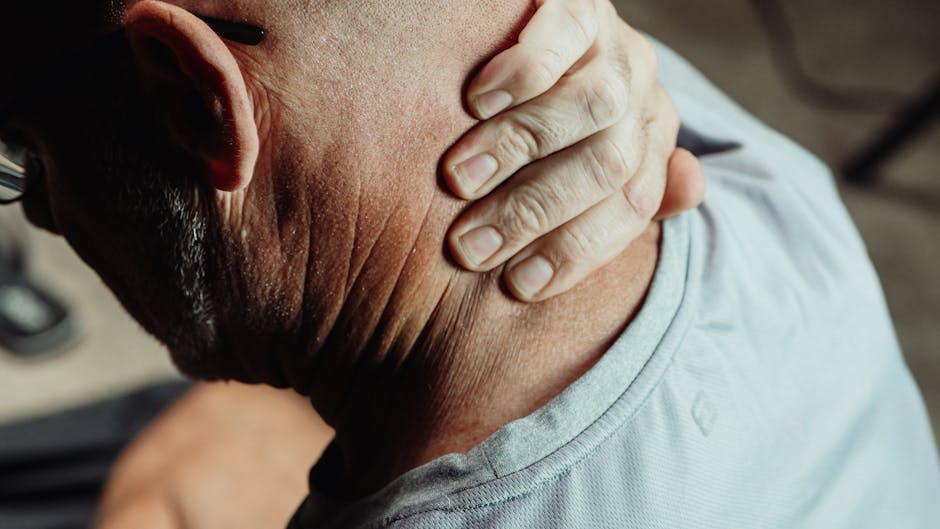
How to Address and Manage Post-Traumatic Stress After an Injury
Experiencing an injury can be more than just a physical ordeal. The emotional and psychological aftermath, often manifesting as post-traumatic stress, can be equally challenging. In this blog post, we will explore strategies to address and manage post-traumatic stress effectively. Whether you are personally affected or supporting a loved one, this guide aims to provide compassionate and practical advice.
Table of Contents
1. Understanding Post-Traumatic Stress 🤔
2. Recognizing the Signs 🚨
3. Strategies for Managing Stress 💪
4. Seeking Professional Help 🧑⚕️
5. Building a Support System 🤝
6. Conclusion: Taking Steps Towards Healing 🌱
7. FAQs: Your Questions Answered ❓
Understanding Post-Traumatic Stress 🤔
Post-traumatic stress (PTS) is a natural reaction to a traumatic event, such as a significant injury. It can involve flashbacks, anxiety, and a range of emotions that might feel overwhelming. The key is to recognize that these feelings are valid and manageable.
Recognizing the Signs 🚨
How do you know if you’re experiencing PTS? Here are some common signs:
– Intrusive memories or flashbacks of the incident
– Difficulty sleeping or frequent nightmares
– Heightened anxiety or irritability
– Avoidance of activities or places that remind you of the injury
If these symptoms persist, it’s important to take action to address them.
Strategies for Managing Stress 💪
Managing post-traumatic stress is a journey, but here are some strategies that can help:
1. Mindfulness and Relaxation Techniques 🧘♂️
Practicing mindfulness can ground you in the present moment, reducing anxiety. Techniques like deep breathing, meditation, or yoga can be effective.
2. Physical Activity 🏃♀️
Engage in gentle physical activities, as permitted by your healthcare provider. Exercise can boost your mood and serve as a healthy distraction.
3. Journaling 📓
Writing down your thoughts and feelings can be a cathartic process. It helps in processing emotions and identifying triggers.
Seeking Professional Help 🧑⚕️
If self-management strategies aren’t enough, seeking professional help is a positive step. Therapists or counselors specializing in trauma can offer guidance and support. Don’t hesitate to reach out for help; it’s a sign of strength, not weakness.
Building a Support System 🤝
Having a network of supportive friends and family is invaluable. Share your experiences with those you trust and let them know how they can help. Support groups, whether in-person or online, can also provide a sense of community and understanding.
Conclusion: Taking Steps Towards Healing 🌱
Addressing and managing post-traumatic stress after an injury is a gradual process, but with the right strategies, healing is within reach. Remember, you are not alone on this journey, and there are resources and people ready to support you.
FAQs: Your Questions Answered ❓
1. How long does post-traumatic stress last after an injury?
The duration varies for each individual. Some may experience symptoms for a few weeks, while others may take longer. It’s important to seek help if symptoms persist.
2. Can post-traumatic stress affect physical healing?
Yes, stress can impact physical recovery by affecting sleep and increasing tension. Managing stress effectively can aid in the healing process.
3. Should I talk to my doctor about my stress symptoms?
Absolutely. Your healthcare provider can offer resources and may recommend a mental health professional to assist with managing your symptoms.
Remember, reaching out for help is a courageous step towards recovery. Let’s prioritize mental health and wellbeing together. 🌟