
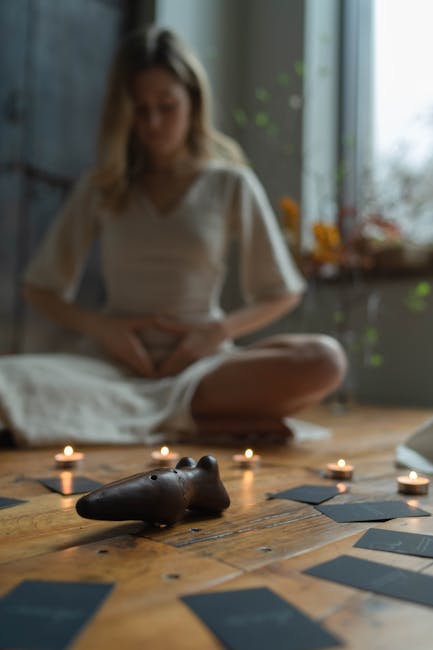
How to Optimize Your Environment for Better Healing
Welcome to a journey of healing! 🌿 Whether you’re recovering from an illness, surgery, or simply aiming to maintain a healthy lifestyle, optimizing your environment can play a crucial role in your healing process. This guide will walk you through actionable insights to create a space that promotes recovery and wellness.
Table of Contents
- Understanding the Healing Environment
- Declutter Your Space
- Embrace Natural Light
- Introduce Healing Scents
- Choose Soothing Colors
- Create a Sound Haven
- Conclusion
- FAQs
Understanding the Healing Environment
First things first, what exactly is a healing environment? 🧐 It’s a space that supports physical, mental, and emotional recovery by reducing stress and promoting peace. Think of it as your personal sanctuary where every element works harmoniously to aid your healing journey.
Declutter Your Space
It’s often said, “A cluttered space equals a cluttered mind.” Start by tidying up your environment. A clean and organized space can significantly reduce stress levels and improve focus. Consider donating items you no longer need, and organize your essentials in a way that’s easily accessible. You’ll be amazed at how much lighter you feel!
Embrace Natural Light
Sunlight is a natural mood booster! ☀️ Ensure your space is well-lit with natural light, as it can enhance your mood and promote vitamin D production, which is essential for a healthy immune system. If natural light is scarce, consider full-spectrum light bulbs as an alternative.
Introduce Healing Scents
The right aroma can work wonders. Essential oils like lavender, eucalyptus, and chamomile are known for their calming effects. Try using a diffuser or scented candles to fill your space with these healing scents. Not only do they smell great, but they can also reduce anxiety and improve sleep.
Choose Soothing Colors
Colors have a profound impact on our emotions and energy levels. For a calming environment, opt for soft, neutral tones such as blues, greens, and pastels. These colors can create a serene atmosphere that supports relaxation and healing.
Create a Sound Haven
Sound is another powerful tool for healing. 🎶 Whether it’s nature sounds, calming music, or guided meditations, the right audio can reduce stress and aid relaxation. Consider investing in a quality sound system or headphones to cultivate a peaceful auditory environment.
Conclusion
Optimizing your environment for healing doesn’t require a complete overhaul. Simple, thoughtful changes can make a significant difference in your recovery process. By creating a space that nurtures your mind, body, and spirit, you’re setting the stage for a more profound and effective healing journey. 🌈
FAQs
Q1: How can I keep my space decluttered?
A1: Regularly assess your belongings and practice the rule of one in, one out. This helps keep clutter to a minimum.
Q2: What if I don’t have access to natural light?
A2: Consider using full-spectrum light bulbs that mimic natural sunlight to brighten your space.
Q3: Are there any colors I should avoid in a healing environment?
A3: It’s best to avoid overly bright or aggressive colors like neon shades, as they can be overstimulating.
Q4: Can I use more than one scent in my space?
A4: Absolutely! Just ensure the scents complement each other and aren’t overpowering.
Q5: How often should I change the music or sounds in my space?
A5: Change them as needed based on your mood and preferences. Consistency is key, but variety can also be refreshing.