
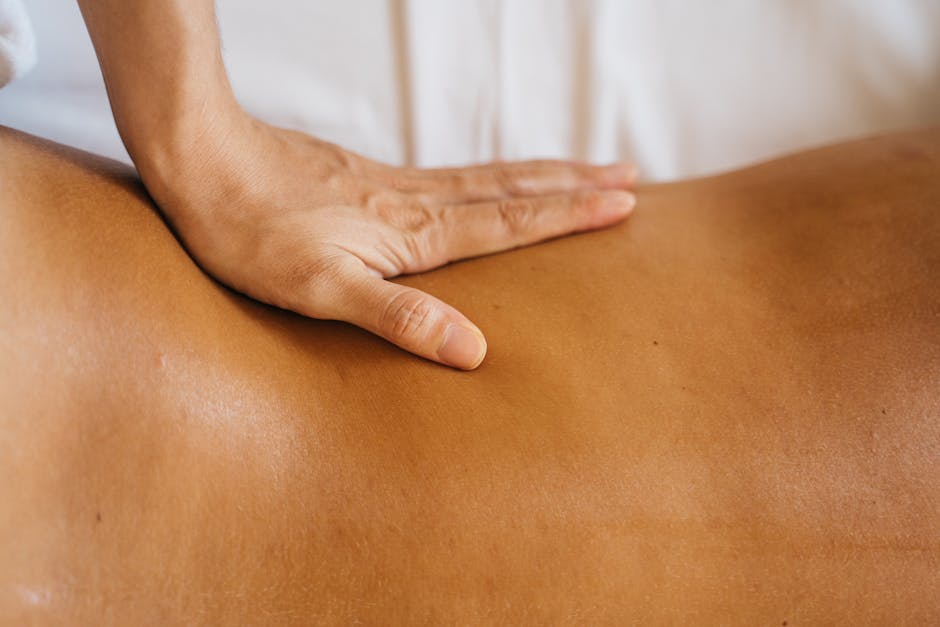
How to Use Aromatherapy to Boost Your Mood During Recovery
Recovering from an illness or surgery can be challenging, both physically and emotionally. But did you know that aromatherapy can be a powerful tool to help uplift your spirits during this time? 🌿 Let’s dive into how you can use the magic of scents to enhance your mood and support your recovery journey.
Table of Contents
1. What is Aromatherapy?
2. Benefits of Aromatherapy in Recovery
3. Essential Oils to Boost Your Mood
4. How to Use Aromatherapy Effectively
5. Conclusion
6. FAQs
What is Aromatherapy? 🌼
Aromatherapy is a holistic healing treatment that uses natural plant extracts to promote health and well-being. It’s also known as essential oil therapy. Aromatherapy harnesses the power of aromatic essential oils to improve the health of the body, mind, and spirit. It enhances both physical and emotional health, making it a popular complementary therapy.
Benefits of Aromatherapy in Recovery 🌟
During recovery, your body and mind are in a delicate state. Aromatherapy can offer a gentle boost in several ways:
1. Reducing Stress and Anxiety: Essential oils like lavender and chamomile are known for their calming properties, helping to alleviate stress and anxiety.
2. Enhancing Mood: Uplifting scents such as citrus oils can invigorate your senses and elevate your mood.
3. Improving Sleep: Good rest is crucial for recovery. Oils like lavender can help promote better sleep quality.
4. Relieving Pain: Certain essential oils have analgesic properties that can help reduce pain and inflammation.
Essential Oils to Boost Your Mood 🌺
Here are some popular essential oils that can help brighten your mood during recovery:
Lavender: Known for its calming and relaxing properties, it’s perfect for reducing stress and improving sleep.
Lemon: This fresh scent is a natural mood enhancer and can help clear your mind.
Peppermint: Great for mental clarity and focus, peppermint can help combat fatigue.
Ylang Ylang: This sweet floral scent is known to reduce anxiety and promote relaxation.
How to Use Aromatherapy Effectively 💧
Incorporating aromatherapy into your recovery routine is simple and can be done in several ways:
1. Diffusion: Use an essential oil diffuser to fill your space with soothing scents.
2. Topical Application: Dilute essential oils with a carrier oil and apply them to your skin. Always do a patch test first!
3. Inhalation: Add a few drops of essential oil to a tissue and inhale deeply.
4. Bathing: Add a few drops of essential oil to your bath for a relaxing soak.
Conclusion
Incorporating aromatherapy into your recovery process can provide numerous emotional and physical benefits. By choosing the right essential oils and using them effectively, you can create a peaceful and uplifting environment that supports your healing journey. Remember to consult with a healthcare provider before starting any new therapy, especially if you are recovering from a serious condition.
FAQs 🤔
Q1: Can aromatherapy replace medication during recovery?
A: Aromatherapy should be used as a complementary therapy alongside, not a replacement for, prescribed medication.
Q2: Are there any side effects of using essential oils?
A: Essential oils are generally safe but can cause skin irritation or allergic reactions in some people. Always dilute them and do a patch test.
Q3: How often should I use aromatherapy during recovery?
A: It varies based on individual needs. Some might benefit from daily use, while others might prefer occasional use. Listen to your body and consult with a professional if unsure.
Q4: Can I use aromatherapy if I’m pregnant?
A: Some essential oils are not recommended during pregnancy. Always consult with a healthcare provider before use.