
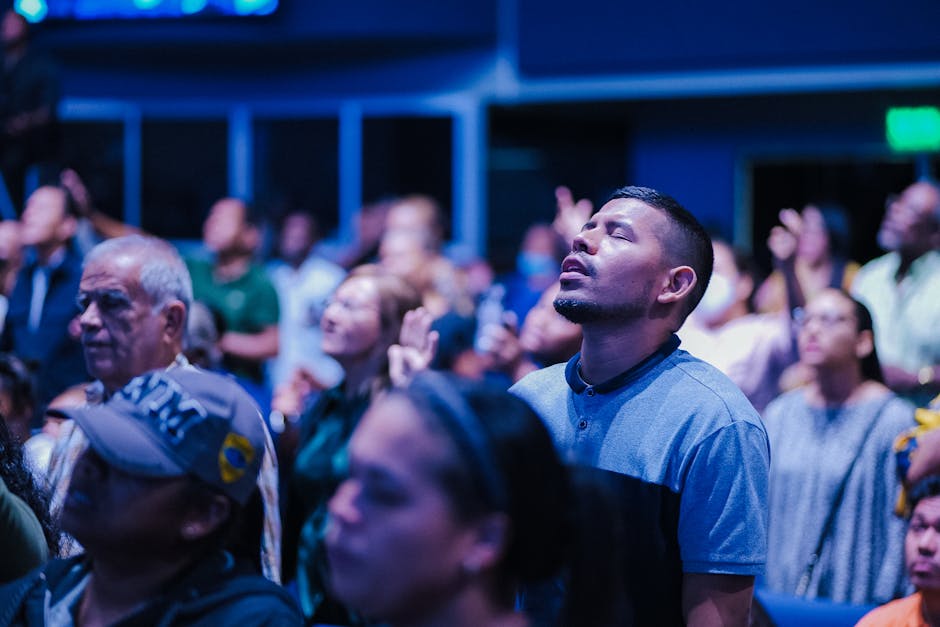
The Role of Prayer and Spirituality in Emotional Healing
In today’s fast-paced world, finding solace and peace can be a challenge. Many people turn to prayer and spirituality as a source of emotional healing. But how exactly do these practices help in soothing our minds and hearts? Let’s delve into the transformative power of prayer and spirituality in emotional healing. 🌟
Table of Contents
1. Introduction to Spiritual Healing
2. The Science Behind Prayer and Healing
3. Personal Stories of Transformation
4. How to Incorporate Prayer into Daily Life
5. Conclusion
6. FAQs
Introduction to Spiritual Healing
Spirituality, for many, is a deeply personal journey. It encompasses a wide range of practices and beliefs, but at its core, it often involves seeking a connection with something greater than oneself. Prayer, a common spiritual practice, is more than just reciting words—it’s a way to communicate with the divine, offering gratitude, seeking guidance, or simply finding a moment of peace. ✨
The Science Behind Prayer and Healing
While spirituality is often seen as a subjective experience, there’s growing scientific interest in its effects on emotional well-being. Studies suggest that regular prayer can reduce stress, increase feelings of happiness, and even improve health outcomes. The act of praying can activate the parasympathetic nervous system, promoting relaxation and reducing anxiety. 🧠
Personal Stories of Transformation
Stories of individuals finding emotional healing through prayer and spirituality are abundant. Take, for example, Sarah, who found solace in daily meditation and prayer after a difficult divorce. Through her spiritual practice, she discovered a sense of inner peace and resilience that she hadn’t experienced before. These personal anecdotes highlight the profound impact spirituality can have on emotional health. 🌈
How to Incorporate Prayer into Daily Life
If you’re new to prayer or looking to deepen your spiritual practice, here are some simple ways to begin:
1. **Set aside time** each day for quiet reflection or prayer. This could be in the morning to set your intentions for the day or in the evening to offer gratitude.
2. **Create a comfortable space** in your home dedicated to spiritual practice. This can be a corner with a comfortable chair, calming music, or meaningful objects.
3. **Join a community**. Many people find strength and support in spiritual communities where they can share experiences and grow together.
4. **Practice mindfulness** by focusing on your breath, being present in the moment, and letting go of distractions.
Conclusion
Prayer and spirituality offer a pathway to emotional healing, helping individuals find peace and strength in challenging times. Whether through private prayer, meditation, or communal worship, these practices can provide comfort and clarity in our lives. As you explore your spiritual journey, remember that it’s a personal experience, unique to you and your beliefs. 🌿
FAQs
1. Can prayer really aid in emotional healing?
Yes, many people find that prayer helps them process emotions, reduce stress, and find peace, contributing to overall emotional healing.
2. Do I need to follow a specific religion to benefit from prayer?
No, prayer and spirituality are personal experiences. You can tailor your practice to fit your beliefs, whether they’re religious or secular.
3. How often should I pray for emotional benefits?
Consistency is key. Whether it’s daily or a few times a week, find a frequency that fits your lifestyle and feels right for you.
4. Can prayer replace therapy or medical treatment?
While prayer can be a powerful complement to therapy or medical treatment, it should not replace professional help when needed.