
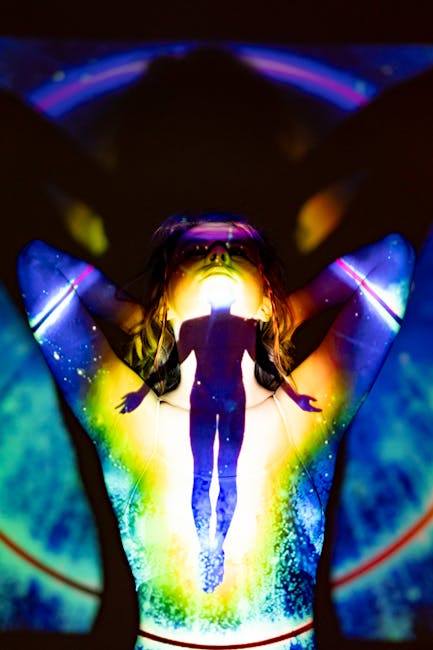
How to Use Art as a Means of Expression During Healing 🎨
Art has long been a sanctuary for those seeking healing and self-expression. Whether you’re coping with a personal crisis or simply looking to explore your emotions, using art as a means of expression can be a powerful tool in the healing process. 🌟 In this blog post, we’ll dive into how you can harness the power of creativity to express yourself and find solace.
Table of Contents
1. Introduction: The Healing Power of Art
2. Why Art is a Powerful Tool for Healing
3. Different Forms of Art for Emotional Expression 🎭
4. How to Get Started with Art Therapy
5. Benefits of Using Art in Healing
6. Conclusion: Embrace Your Creative Journey
7. FAQs
Introduction: The Healing Power of Art
Art has the unique ability to transcend words, offering a channel for emotions that are often too complex to articulate. From painting and drawing to sculpture and digital art, the creative process allows us to explore our inner worlds and find peace amidst chaos. 🧘♀️
Why Art is a Powerful Tool for Healing
Art provides a safe space to express feelings without judgment. It can help you process trauma, reduce stress, and improve mental health. When engaged in creative activities, your focus shifts from negative thoughts to the task at hand, promoting mindfulness and relaxation. 🧑🎨
Different Forms of Art for Emotional Expression 🎭
There are countless ways to use art as a means of healing, each offering its own benefits:
1. Painting and Drawing: These activities allow you to explore color and form, making them perfect for expressing emotions visually.
2. Sculpture: Working with clay or other materials can be a grounding experience, helping you connect with your physical self.
3. Collage: Creating a collage from different materials can help you piece together disparate emotions into a cohesive narrative.
4. Digital Art: With technology at your fingertips, digital art offers a versatile platform for experimentation and expression.
How to Get Started with Art Therapy
Beginning your art therapy journey doesn’t require any formal training. Here are a few steps to help you get started:
1. Set an Intention: Decide what you hope to achieve through art. Is it stress relief? Emotional release? Self-discovery?
2. Choose Your Medium: Start with materials that feel comfortable and accessible to you. Don’t be afraid to experiment! 🖌️
3. Create a Safe Space: Find a quiet, comfortable place where you can focus on creating without distractions.
4. Let Go of Perfection: Remember, the goal is expression, not perfection. Allow yourself to play and explore without self-criticism.
Benefits of Using Art in Healing
Engaging in art therapy can bring numerous benefits, including:
✨ Improved Emotional Well-being: Art allows you to process and release emotions.
✨ Increased Self-awareness: Through art, you can gain insights into your thoughts and feelings.
✨ Enhanced Problem-solving Skills: Creative thinking encourages innovative solutions to life’s challenges.
✨ Boosted Confidence: Completing an art piece can foster a sense of accomplishment and self-worth.
Conclusion: Embrace Your Creative Journey
Art is a journey, not a destination. By embracing creativity, you open the door to healing and self-discovery. So grab a brush, a pencil, or a tablet, and start expressing yourself today. 🎨✨
FAQs
Q1: Do I need to be good at art to benefit from it?
A1: Absolutely not! Art therapy is about expression, not skill. Anyone can benefit regardless of artistic ability.
Q2: How often should I engage in art activities for healing?
A2: There’s no set frequency. Listen to your needs and create as often as feels right for you.
Q3: Can art therapy replace traditional therapy?
A3: While art therapy can be incredibly beneficial, it is often best used alongside traditional therapy methods for holistic healing.
Embrace your inner artist and let art lead you on a path of healing and self-discovery. 🎨