

How to Use Music as a Therapeutic Tool for Recovery 🎶
Music has an incredible ability to touch our souls, evoke memories, and even heal. Whether you’re recovering from physical illness, mental health challenges, or emotional trauma, music can be a powerful ally on your journey. In this blog post, we’ll explore how you can harness the therapeutic benefits of music to aid recovery. Let’s dive in!
Table of Contents
1. Why Music is a Powerful Therapeutic Tool 🎵
2. The Science Behind Music Therapy 🧠
3. Practical Ways to Incorporate Music into Your Recovery Journey 🎧
4. Creating Your Personal Healing Playlist 🎼
5. Conclusion: Embrace the Healing Power of Music 🌈
6. FAQs: Your Questions Answered ❓
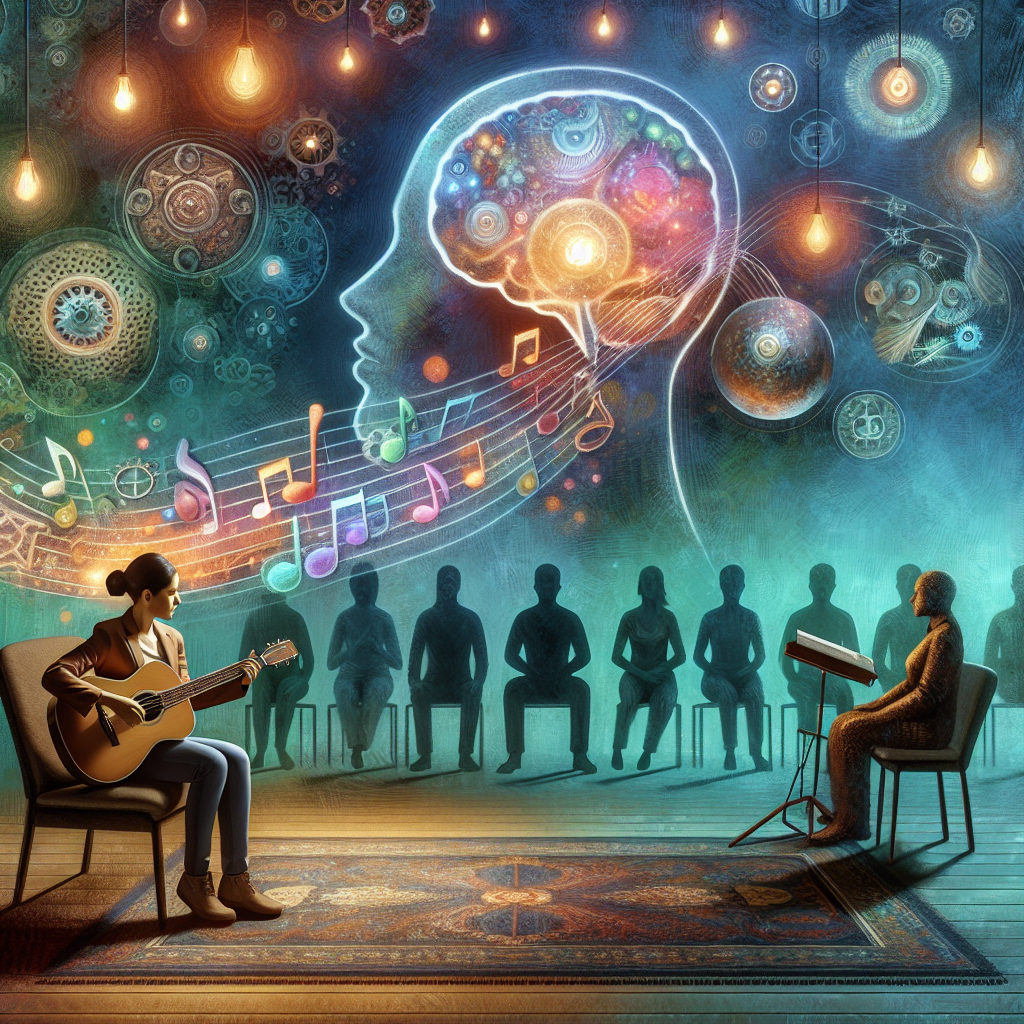
Why Music is a Powerful Therapeutic Tool 🎵
Music transcends language, culture, and even time. Its vibrations and rhythms can influence our emotions, energy levels, and even physiological responses. From boosting mood to reducing stress, the power of music lies in its ability to connect with the human spirit.
The Science Behind Music Therapy 🧠
Music therapy is more than just listening to your favorite tunes. It’s a structured process led by trained professionals who use music to achieve specific therapeutic goals. Studies have shown that music can stimulate brain areas involved in emotions, cognition, and motor skills. This makes it a versatile tool in treating conditions such as depression, PTSD, and chronic pain.
Practical Ways to Incorporate Music into Your Recovery Journey 🎧
Ready to get started? Here are some practical ways to use music for healing:
1. Mindful Listening: Set aside time each day to listen to music that resonates with your current emotional state. Allow yourself to fully experience the music’s nuances.
2. Active Participation: Engage with music by singing, playing an instrument, or dancing. These activities can enhance mood, improve coordination, and boost self-esteem.
3. Music and Meditation: Combine music with meditation or deep-breathing exercises to enhance relaxation and mindfulness.
Creating Your Personal Healing Playlist 🎼
Crafting a personalized playlist can be a deeply therapeutic exercise. Here’s how to curate your healing playlist:
1. Identify Your Needs: Determine what you need from music—energy, relaxation, emotional release, etc.
2. Select Diverse Tracks: Choose a variety of songs that evoke different emotions and moods. This diversity can help you address various aspects of your recovery.
3. Update Regularly: As you progress in your recovery, update your playlist to reflect your evolving needs and tastes.
Conclusion: Embrace the Healing Power of Music 🌈
Music is a uniquely enriching tool that can support your recovery in profound ways. By incorporating music into your daily routine, you can enhance your healing process and find joy and solace during challenging times. So go ahead, press play, and let music guide you on your path to recovery.
FAQs: Your Questions Answered ❓
1. Can music therapy be used for all age groups?
Absolutely! Music therapy is versatile and can be tailored to suit individuals of all ages, from children to the elderly.
2. Do I need musical training to benefit from music therapy?
Not at all! You don’t need any musical background to benefit from music therapy. It’s all about experiencing and connecting with the music.
3. How do I find a certified music therapist?
You can start by searching online directories of certified music therapists or asking for recommendations from healthcare professionals.
4. Can I use any genre of music for therapy?
Yes, any genre that resonates with you can be used. It’s important to choose music that you enjoy and that supports your therapeutic goals.
5. How soon can I expect results from music therapy?
Results can vary based on individual circumstances, but many people experience benefits such as improved mood and reduced anxiety after just a few sessions.