

10 Strategies for Building a Positive Digital Footprint That Actually Works 🌟
Let’s be honest – your digital footprint isn’t just about what you post on social media anymore. It’s become your modern-day business card, your first impression, and sometimes even your ticket to new opportunities. Whether you’re job hunting, building a business, or simply want to present your best self online, crafting a positive digital presence has never been more crucial.
I’ve seen too many talented people miss out on amazing opportunities because their online presence didn’t reflect their true potential. The good news? Building a stellar digital footprint isn’t rocket science, and you don’t need to be a tech wizard to get it right.

Table of Contents 📋
• What is a Digital Footprint?
• Why Your Digital Footprint Matters More Than Ever
• 10 Proven Strategies for Building a Positive Digital Footprint
• Common Digital Footprint Mistakes to Avoid
• Measuring Your Digital Footprint Success
• Frequently Asked Questions
What is a Digital Footprint? 🤔
Think of your digital footprint as the trail of data you leave behind every time you go online. It includes everything from your social media posts and comments to your professional profiles, blog articles, and even those product reviews you wrote last month. Basically, if it’s connected to your name and it’s online, it’s part of your digital footprint.
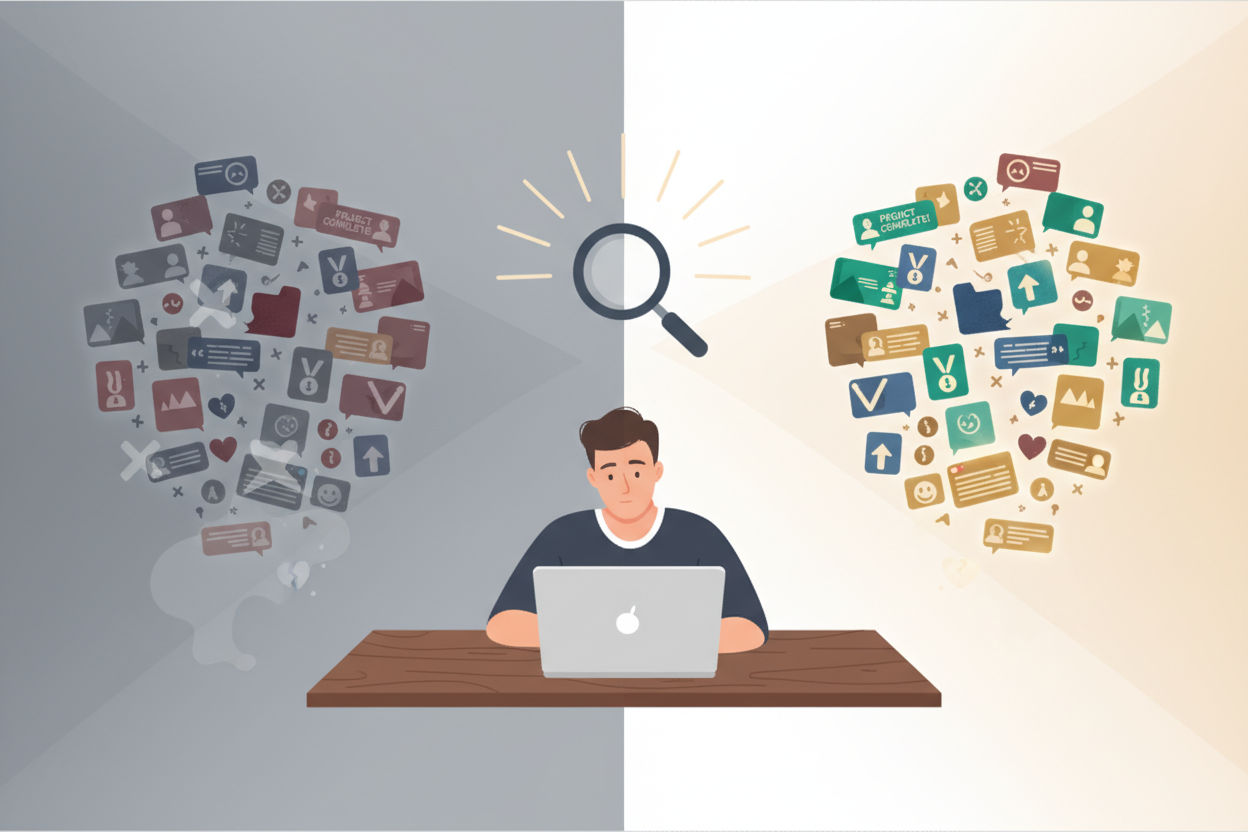
There are two types you should know about: your active digital footprint (stuff you intentionally share) and your passive digital footprint (data collected about you without your direct input). While you can’t control everything, you can definitely influence how you’re perceived online.
Why Your Digital Footprint Matters More Than Ever 💡
Here’s a reality check: 90% of employers now research candidates online before making hiring decisions. That’s not just Fortune 500 companies – we’re talking about small businesses, startups, and even that local coffee shop you applied to work at.
But it goes beyond job hunting. Your digital presence affects your personal relationships, business partnerships, and even your credibility in your field. I’ve watched professionals land speaking gigs, consulting contracts, and dream jobs simply because they had a strong, positive online presence that showcased their expertise.
10 Proven Strategies for Building a Positive Digital Footprint ✨
1. Audit Your Current Online Presence 🔍
Before you start building, you need to know where you stand. Google yourself – seriously, do it right now. Look at the first two pages of results because that’s what most people will see. Check your social media profiles, old forum posts, and any mentions of your name.
Create a simple spreadsheet listing what you find. Note whether each result is positive, neutral, or negative. This baseline will help you understand what needs work and what’s already serving you well.
2. Optimize Your Social Media Profiles 📱
Your social media profiles are often the first things people see when they search for you. Make them count! Use a professional headshot across all platforms – consistency builds recognition and trust.
Write compelling bio descriptions that highlight your expertise and personality. Instead of just listing your job title, share what you’re passionate about or what unique value you bring. For example, instead of “Marketing Manager,” try “Marketing Manager who helps small businesses grow through authentic storytelling 📈”
3. Create Valuable Content Consistently 📝
Content creation doesn’t mean you need to become an influencer overnight. Start by sharing insights related to your field, commenting thoughtfully on others’ posts, or writing about topics you’re genuinely interested in.
The key is consistency and value. Whether you post once a week or once a month, stick to a schedule. Share your learnings, ask thoughtful questions, or highlight others’ great work. Remember, quality beats quantity every single time.
4. Build a Professional Website or Portfolio 🌐
Even if you’re not an entrepreneur, having your own website gives you control over your narrative. It doesn’t have to be fancy – a simple site with your bio, contact information, and examples of your work can make a huge difference.
Include an “About” page that tells your story in a human way. Share your journey, your values, and what drives you. This personal touch helps people connect with you beyond just your professional credentials.
5. Engage Authentically with Others 🤝
Building a positive digital footprint isn’t a solo activity. Engage with others’ content genuinely – not just with likes, but with meaningful comments and shares. Support your peers, celebrate their wins, and contribute to conversations in your industry.
When you comment, add value. Instead of just saying “Great post!” try something like “This reminds me of a similar challenge I faced last year. What I found helpful was…” This approach shows your expertise while building relationships.
6. Showcase Your Expertise Through Thought Leadership 🎯
You don’t need to be a CEO to be a thought leader. Share your unique perspective on industry trends, write about lessons you’ve learned, or create content that helps others solve problems you’ve already tackled.
Start small – maybe write LinkedIn articles about your area of expertise or participate in relevant online discussions. The goal is to become known for your insights and helpful contributions to your field.
7. Monitor Your Online Reputation Regularly 👀
Set up Google Alerts for your name so you’ll know when you’re mentioned online. This helps you stay on top of your digital footprint and respond quickly if any issues arise.
Check your social media mentions regularly too. Most platforms have built-in notification systems, but you can also use tools like Mention or Brand24 for more comprehensive monitoring.
8. Clean Up Your Digital Past 🧹
We’ve all posted things we’re not proud of. The good news is that most social media platforms let you delete old posts or adjust your privacy settings. Go through your old content and remove anything that doesn’t align with the image you want to project.
For content you can’t control (like news articles or other people’s posts), focus on creating enough positive content to push negative results further down in search results.
9. Network Strategically Online 🌍
Join professional groups on LinkedIn, Facebook, or industry-specific platforms. Participate in Twitter chats related to your field. Attend virtual events and engage with speakers and attendees online.
The relationships you build online can be just as valuable as in-person connections. Plus, your interactions with respected professionals in your field enhance your own credibility by association.
10. Stay Consistent Across All Platforms 🎨
Your LinkedIn shouldn’t tell a completely different story than your Twitter or personal website. While you can adjust your tone for different platforms, your core message and professional image should remain consistent.
Use similar profile photos, maintain consistent usernames where possible, and ensure your bio information aligns across platforms. This consistency helps build a strong, recognizable personal brand.
Common Digital Footprint Mistakes to Avoid ⚠️
Even with the best intentions, it’s easy to stumble. Here are the biggest mistakes I see people make:
First, oversharing personal information. Your future employer doesn’t need to know about your weekend party adventures or your political rants. Keep personal and professional content appropriately separated.
Second, neglecting privacy settings. Regularly review and update your privacy settings on all platforms. What you share with friends doesn’t always need to be public.
Third, engaging in online arguments. No matter how wrong someone is on the internet, getting into heated debates rarely reflects well on anyone involved. Choose your battles wisely, and when in doubt, take the conversation private.
Measuring Your Digital Footprint Success 📊
How do you know if your efforts are paying off? Start by tracking your search results – are positive results moving up while negative ones move down? Monitor your social media engagement rates and the quality of connections you’re making.
Pay attention to opportunities that come your way. Are you getting more interview requests, speaking invitations, or collaboration offers? These are often direct results of a strong digital presence.
Set up tracking for your website if you have one. Tools like Google Analytics can show you how people are finding and interacting with your content.
Your Digital Future Starts Today 🚀
Building a positive digital footprint isn’t about creating a fake online persona – it’s about authentically showcasing your best self and the value you bring to the world. It takes time and consistency, but the payoff is worth it.
Remember, every post, comment, and interaction is an opportunity to build your reputation. Start with one or two strategies from this list and gradually incorporate others as they become habits.
Your future self will thank you for the effort you put in today. After all, in our digital world, your online presence isn’t just part of your professional life – it is your professional life.
Frequently Asked Questions 🙋♀️
How long does it take to build a positive digital footprint?
Building a solid digital footprint is a marathon, not a sprint. You might start seeing positive changes in search results within 3-6 months of consistent effort, but developing a truly strong online presence typically takes 1-2 years. The key is staying consistent and patient with the process.
Should I delete all my old social media posts to start fresh?
Not necessarily! Instead of deleting everything, audit your content first. Keep posts that show your personality and expertise in a positive light. Delete anything inappropriate, controversial, or that doesn’t align with your current goals. Starting completely fresh can actually look suspicious to some people.
What if I work in a traditional industry where social media isn’t common?
Even traditional industries are becoming more digital-aware. You don’t need to be super active on every platform, but having a clean, professional presence on LinkedIn and maybe a simple personal website can still set you apart from your peers and show you’re forward-thinking.
How do I handle negative content about me that I can’t control?
Focus on creating positive content to push negative results down in search rankings. If the negative content is defamatory or false, you might have legal options, but often the best approach is to overwhelm it with positive, authentic content about yourself.
Is it worth paying for professional help with my digital footprint?
For most people, the strategies in this post are enough to build a strong digital presence on your own. However, if you’re in a senior executive role, public-facing position, or have significant negative content to address, working with a reputation management professional might be worth the investment.