
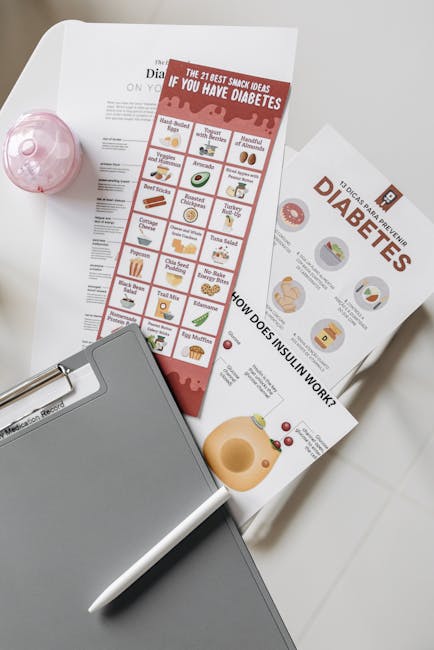
10 Tips for Organizing Medical Information During Recovery
Recovering from a medical procedure or illness can be overwhelming, especially when it comes to managing the abundance of information and paperwork that accompanies the process. Whether you’re dealing with prescriptions, appointments, or health insurance details, keeping everything organized is crucial for a smooth recovery. In this post, we’ll explore ten practical tips to help you manage your medical information effectively. 📁
Table of Contents
1. Create a Medical Binder
2. Digital Tools and Apps
3. Keep a Recovery Journal
4. Establish a Routine
5. Color Code Your Files
6. Set Reminders
7. Communicate with Your Care Team
8. Store Emergency Info Accessibly
9. Review and Update Regularly
10. Involve Family or Friends
1. Create a Medical Binder 📚
A dedicated medical binder can be a lifesaver. Gather all your medical documents, such as test results, prescriptions, and doctor’s notes, and organize them into sections within the binder. This centralizes your information, making it easy to access when needed.
2. Digital Tools and Apps 📱
Take advantage of technology by using apps designed to manage medical records. Apps like MyChart or Medisafe can help you keep track of medications, appointments, and health records digitally, ensuring you have access to your information on the go.
3. Keep a Recovery Journal 📝
Document your recovery journey by maintaining a journal. Note down symptoms, medication effects, and any questions for your healthcare provider. A journal not only helps track progress but also provides valuable information for future appointments.
4. Establish a Routine 🕒
Consistency is key. Develop a daily routine that includes taking medications, performing prescribed exercises, and attending medical appointments. A structured schedule helps ensure nothing is missed and aids in a faster recovery.
5. Color Code Your Files 🎨
Use different colored folders or labels to categorize your documents. For example, use red for urgent medical issues, blue for follow-up appointments, and green for general health information. This visual sorting makes finding documents quicker and easier.
6. Set Reminders ⏰
Use smartphone alarms or calendar alerts to remind you of medication times, doctor’s visits, or when it’s time to refill prescriptions. Timely reminders help maintain your health regimen without stress.
7. Communicate with Your Care Team 💬
Stay in touch with your healthcare providers. Keep their contact information easily accessible, and don’t hesitate to reach out if you have questions or experience changes in your health.
8. Store Emergency Info Accessibly 🚨
Ensure that essential information, like emergency contacts and allergy lists, is readily available. Consider keeping a copy in your wallet or using a medical ID bracelet for quick access in emergencies.
9. Review and Update Regularly 🔄
Periodically review your medical information to ensure everything is current. Update any changes in medications, treatments, or personal details to keep your records accurate.
10. Involve Family or Friends 👪
Don’t hesitate to ask for help from family or friends. They can assist in organizing documents, attending appointments with you, or simply providing emotional support during your recovery.
Conclusion
Organizing medical information during recovery doesn’t have to be daunting. By implementing these tips, you can streamline your recovery process, reduce stress, and focus on healing. Remember, the key is to find a system that works for you and stick with it.
FAQs
Q1: How often should I update my medical binder?
It’s a good idea to update your medical binder after every significant medical appointment or whenever there’s a change in your treatment plan.
Q2: What should I include in my emergency information list?
Your emergency list should include contact information for healthcare providers, a list of current medications, known allergies, and any critical health conditions.
Q3: Are there any free apps for managing medical information?
Yes, several free apps like MyChart and Medisafe offer basic functionalities to help manage your medical records and medication schedules.
Q4: How can I ensure my digital medical information is secure?
Use apps that offer encryption, set strong passwords, and enable two-factor authentication to keep your digital medical records secure.
Q5: Can I involve my children in organizing my medical information?
Absolutely! Involving family members, including children, can be helpful. Just ensure they understand the importance of privacy and security when handling medical information.